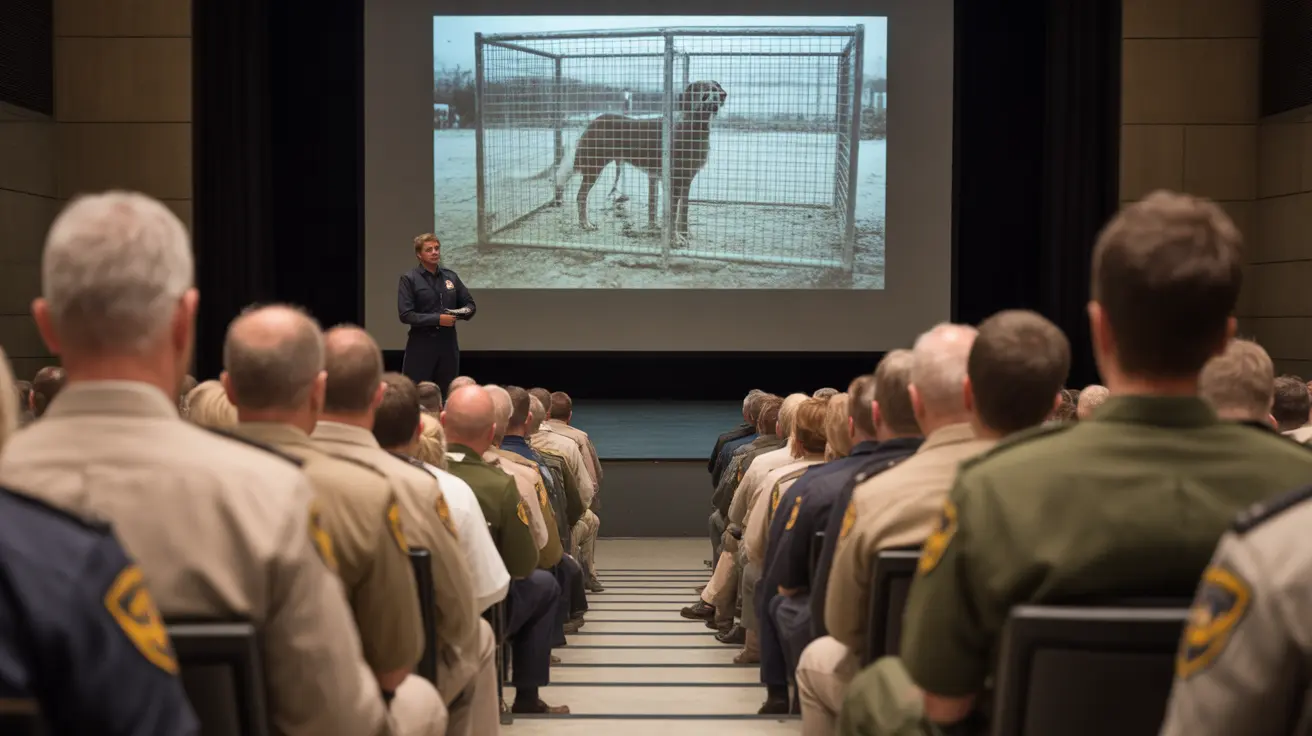
The Importance of Multi-Disciplinary Animal Cruelty Investigation
Effective animal cruelty investigation requires expertise from various fields working in coordination. Law enforcement officers need to understand how to properly document evidence at crime scenes, while prosecutors must know how to present complex veterinary findings in court. Veterinarians, meanwhile, must be trained in forensic evidence collection techniques that will stand up to legal scrutiny.
This type of comprehensive training helps bridge knowledge gaps between professions and ensures that animal abuse cases are handled with the thoroughness they deserve. When professionals understand each other's roles and capabilities, they can work more effectively together to build stronger cases against animal abusers.
Recognizing Signs of Animal Abuse in the Field
One of the key components of effective animal welfare training involves teaching participants how to identify various forms of animal mistreatment. Physical signs may include unexplained injuries, malnutrition, or poor body condition, while behavioral indicators can range from extreme fearfulness to aggressive responses toward humans.
Environmental factors also play a crucial role in detecting pet neglect. Inadequate shelter, lack of clean water, unsanitary living conditions, and overcrowding are all red flags that trained professionals learn to recognize and document properly.
Forensic Veterinary Medicine and Evidence Collection
Veterinary forensic evidence collection has become increasingly sophisticated, requiring specialized knowledge and techniques. Veterinarians involved in animal cruelty cases must understand how to perform thorough examinations, document injuries photographically, and collect samples that may be used in legal proceedings.
Veterinary necropsy techniques are particularly important when animals have died as a result of suspected abuse. These procedures must be conducted with the same rigor as human forensic autopsies, ensuring that all evidence is properly preserved and documented for potential court proceedings.
The Link Between Animal and Human Abuse
Research has consistently shown a strong connection between animal cruelty and human violence. Many domestic violence cases involve threats or actual harm to family pets, and children who abuse animals may be at risk of developing more serious antisocial behaviors later in life.
Understanding this link helps law enforcement and social services agencies recognize that animal abuse cases may indicate broader patterns of violence within households. This knowledge enables more comprehensive investigations and interventions that protect both animal and human victims.
Animal Cruelty Laws New York and Prosecution Challenges
New York State has comprehensive animal protection laws, but successful prosecution of animal abuse cases requires careful attention to legal procedures and evidence standards. Prosecutors must understand how to present veterinary testimony effectively and work with expert witnesses to explain complex medical findings to juries.
Animal cruelty prosecution often involves unique challenges, including the need to prove intent and establish timelines for injuries or neglect. Training programs like the one hosted at MVCC help legal professionals develop the specialized knowledge needed to handle these complex cases successfully.
Frequently Asked Questions
What are the signs of animal abuse that I should report to authorities?
Look for obvious physical injuries like cuts, bruises, or limping, as well as signs of neglect such as severely matted fur, extreme thinness, or animals left outside in harsh weather without adequate shelter. Behavioral signs include excessive fear, aggression, or withdrawal from human contact. If you observe these signs consistently, contact your local animal control or law enforcement agency.
How do veterinarians collect forensic evidence in animal cruelty cases?
Veterinarians use specialized documentation techniques including detailed photography, precise measurements of injuries, tissue sampling, and comprehensive medical examinations. They must maintain strict chain of custody procedures and document their findings in a manner that meets legal standards for courtroom presentation.
What should I do if I suspect a pet is being neglected or abused in my neighborhood?
Document what you observe with dates and descriptions, but do not confront the owner directly or attempt to remove the animal yourself. Contact your local animal control officer, police department, or animal welfare organization to report your concerns. Provide as much detail as possible about what you've witnessed and when.
Moving Forward in Animal Protection
Training initiatives like the one hosted at Rome MVCC represent important progress in creating more effective responses to animal cruelty. By bringing together professionals from law enforcement, legal, and veterinary fields, these programs help ensure that animals receive the protection they deserve under the law.
As awareness of animal welfare issues continues to grow, collaborative training programs will play an increasingly important role in developing the expertise needed to investigate and prosecute animal abuse cases successfully. Pet owners and community members can support these efforts by staying informed about animal welfare issues and reporting suspected abuse when they encounter it.