
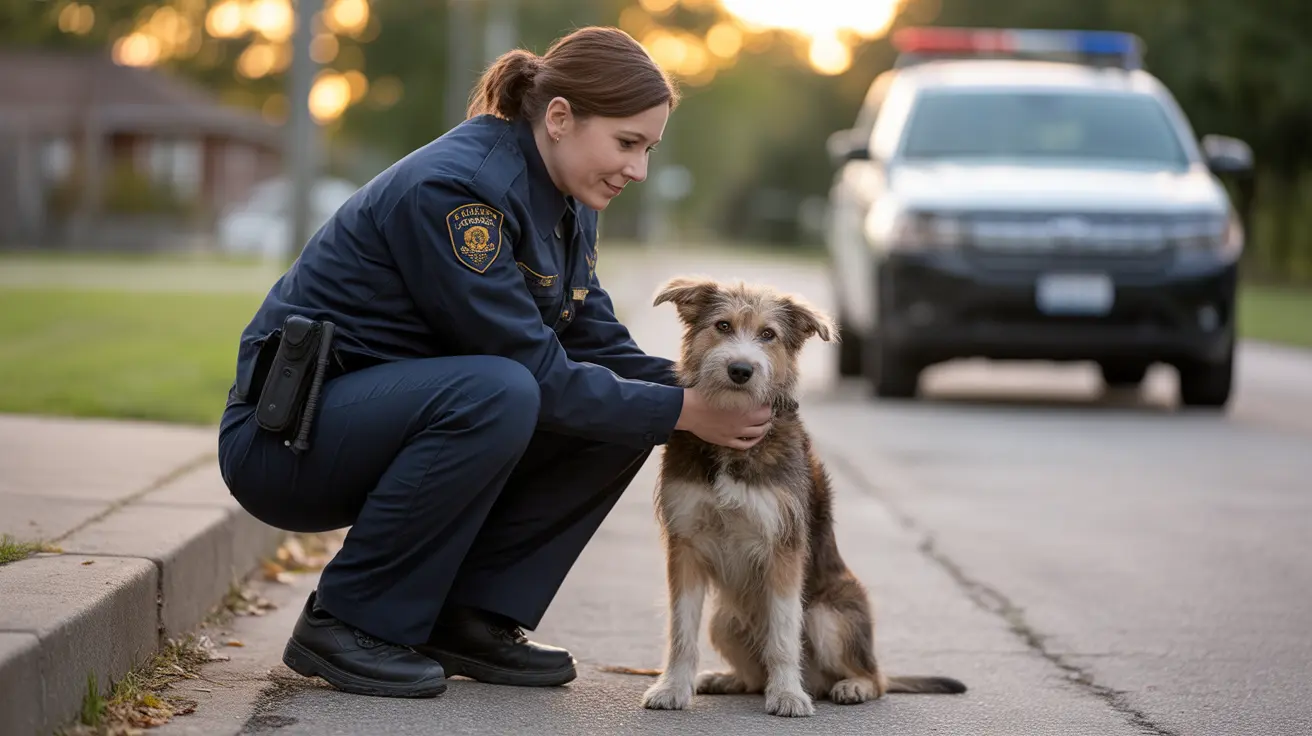
Animal control officers serve as vital guardians in our communities, working tirelessly to ensure both pet welfare and public safety. These dedicated professionals handle everything from stray dog recovery to dangerous animal situations, operating with specialized training and a commitment to treating all animals with respect and dignity. Their role extends far beyond simply removing animals from the streets – they serve as educators, enforcers, and advocates for responsible pet ownership.
For pet owners, understanding the important work of animal control officers can help build stronger community partnerships and ensure better outcomes for all animals. These professionals balance the dual responsibilities of protecting public safety while prioritizing animal welfare, making them essential allies in creating safer, more compassionate communities for pets and people alike.
The Professional Training Behind Animal Control Officers
Animal control training requirements ensure officers are equipped to handle diverse and often challenging situations. These professionals receive comprehensive education in animal behavior, safe handling techniques, and relevant local and state animal welfare laws. Their training covers everything from basic animal psychology to advanced techniques for managing aggressive or fearful animals.
Professional animal control officers must also stay current with evolving best practices in humane animal handling. This includes understanding stress signals in animals, using appropriate restraint equipment, and knowing when to call for veterinary assistance. Many officers also receive specialized training in areas like zoonotic disease prevention and rabies prevention enforcement to protect both animals and the public.
Community Safety Through Dangerous Dog Management
One of the most critical responsibilities involves dangerous dog management and ensuring animal control public safety. Officers respond to reports of aggressive animals, dog bites, and other situations where public safety may be at risk. They're trained to assess threat levels, implement appropriate containment measures, and work with pet owners to address behavioral issues before they escalate.
This work requires a delicate balance between protecting the community and giving animals every opportunity for rehabilitation. Many departments now emphasize positive outcomes whenever possible, working with owners to provide training resources and support rather than immediately resorting to removal or euthanasia.
Supporting Pet Owners and Reducing Stray Populations
Modern animal control goes beyond enforcement to include community pet education programs and preventive services. Officers often coordinate pet microchipping programs, helping ensure lost pets can be quickly reunited with their families. These initiatives significantly improve outcomes for both pets and owners when animals go missing.
Many departments also support trap-neuter-release programs for feral cat populations, recognizing that humane population control is more effective than removal alone. These programs demonstrate how professional animal control officers work proactively to address root causes of pet overpopulation while maintaining community health and safety.
Animal Welfare Laws and Cruelty Investigation
Animal control officers play a crucial role in animal cruelty investigation, ensuring that animal welfare laws are properly enforced. They're often the first responders to reports of neglect, abuse, or abandonment. These cases require careful documentation, evidence collection, and coordination with law enforcement and legal authorities.
Officers must balance thorough investigation with respect for both animals and property owners. They work to educate pet owners about proper care standards and connect them with resources when needed, always prioritizing solutions that keep families together while ensuring animal welfare.
The Path to No-Kill Shelter Policies
Many communities are moving toward no-kill shelter policies, and animal control officers are instrumental in making these programs successful. This involves increased focus on pet adoption from shelters, community outreach, and partnerships with rescue organizations. Officers work to ensure that every animal has the best possible chance of finding a loving home.
These policies require officers to be creative problem-solvers, finding alternatives to traditional shelter outcomes through foster programs, behavioral rehabilitation, and community partnerships. Their professional expertise helps identify which animals are good candidates for adoption and what support they might need to succeed in new homes.
Frequently Asked Questions
- What should I do if I find a stray dog or cat in my neighborhood?
Contact your local animal control department immediately. Don't attempt to capture the animal yourself, especially if it appears injured or frightened. Provide the exact location and description of the animal. If safe to do so, you can offer water and monitor the animal from a distance until help arrives.
- How are animal control officers trained to handle dangerous or aggressive animals safely?
Officers receive specialized training in animal behavior, safe restraint techniques, and de-escalation methods. They use professional equipment like catch poles, protective gear, and humane traps. Their training emphasizes reading animal body language to prevent escalation and ensuring both officer and animal safety during interactions.
- What happens to stray pets after animal control brings them to a shelter?
Stray animals typically undergo a holding period during which owners can reclaim them. During this time, they receive necessary medical care, vaccinations, and behavioral assessment. After the holding period, healthy, adoptable animals are made available for adoption through the shelter or rescue partners.
- How can I help reduce the number of stray animals in my community?
Support spay and neuter programs, microchip your pets, and keep them properly contained. Report stray animals to local authorities, volunteer with local shelters, and educate others about responsible pet ownership. Consider fostering animals in need or donating to local animal welfare organizations.
- What is the difference between animal control and animal welfare, and how do officers balance both?
Animal control focuses on public safety and law enforcement, while animal welfare emphasizes animal well-being. Professional officers balance both by prioritizing humane treatment while ensuring community safety. They work to find solutions that protect both animals and people, using education and support services whenever possible before resorting to enforcement actions.
Animal control officers represent the best of professional animal care, combining law enforcement authority with genuine compassion for animals. Their work makes our communities safer while ensuring that every animal is treated with dignity and respect. By understanding and supporting their efforts, pet owners can help create stronger, more humane communities for everyone.




