
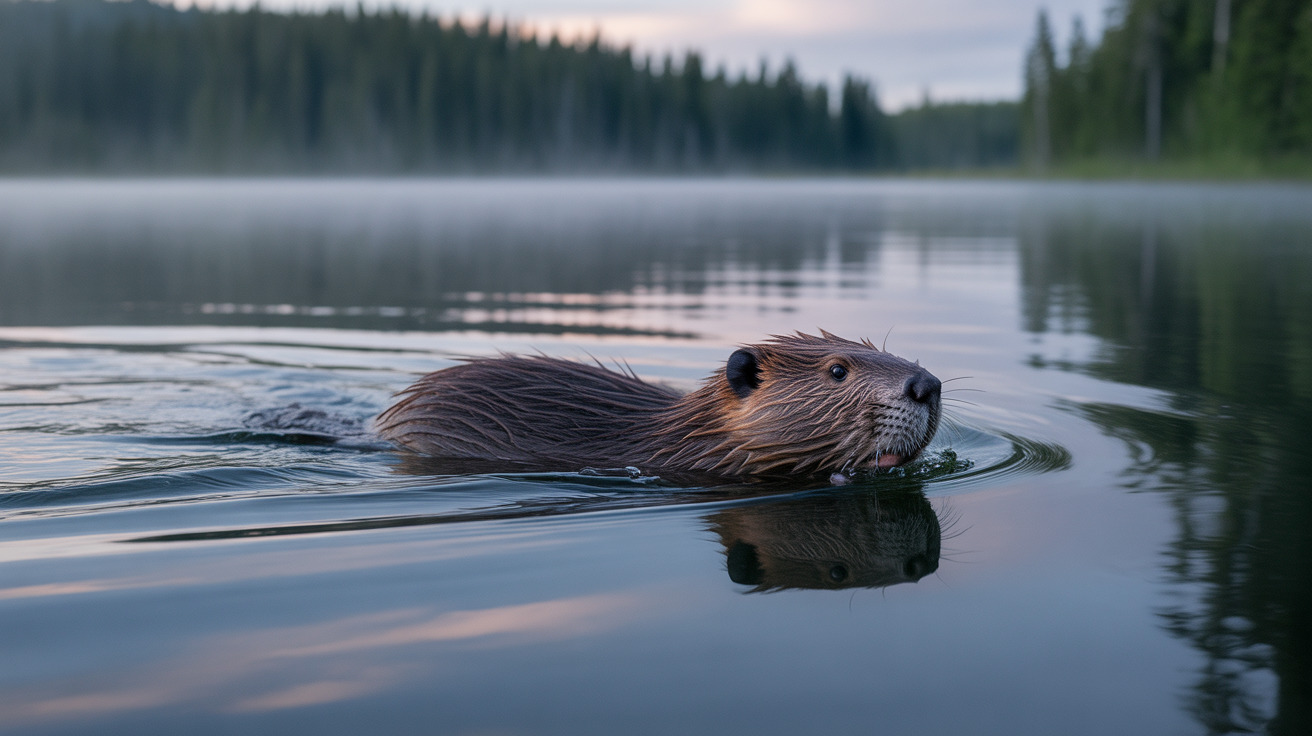
A remarkable wildlife rescue story has unfolded in Austin, Texas, where Austin Wildlife Rescue has successfully nursed a baby beaver back to health. The nonprofit organization recently shared this heartwarming achievement through a Facebook post, describing the young beaver as "a true rarity" in the Central Texas region.
This successful baby beaver rescue in Austin highlights both the dedicated work of local wildlife rehabilitators and the uncommon nature of beaver populations in the area. For pet owners and wildlife enthusiasts alike, this story serves as an important reminder of the delicate balance between urban development and native wildlife conservation in Texas.
The rescue effort demonstrates the specialized care required for orphaned wildlife and underscores the vital role that professional rehabilitation centers play in preserving Texas's natural heritage.
Understanding Beavers in Central Texas
Beavers are notably uncommon in the Austin metropolitan area, making this rescue particularly significant. While these industrious rodents were once widespread throughout Texas, their populations have become increasingly concentrated in specific regions, primarily East Texas where suitable habitat and water sources remain abundant.
The ecological role of beavers in Texas ecosystems cannot be overstated. These natural engineers create wetland habitats through their dam-building activities, which provide crucial benefits for countless other species. Their work helps control flooding, improves water quality, and creates diverse aquatic environments that support fish, birds, and other wildlife.
Orphaned Beaver Rehabilitation Process
Rehabilitating an orphaned baby beaver requires specialized knowledge and equipment. Young beavers need constant care, including proper nutrition that mimics their natural diet, appropriate housing that allows for swimming, and gradual preparation for eventual release back into suitable habitat.
Austin Wildlife Rescue's success with this baby beaver demonstrates their expertise in handling rare cases. The rehabilitation process typically involves several stages: initial medical assessment, nutritional support, behavioral development, and pre-release conditioning. Each stage is critical for ensuring the animal can survive independently in the wild.
Urban Beaver Conflicts and Management
When beavers do appear in urban areas like Austin, conflicts can arise. Property owners may experience flooding or tree damage from beaver activity. However, Texas Parks and Wildlife Department (TPWD) advocates for non-lethal management approaches whenever possible.
Beaver deceivers and other flow control devices can help manage flooding while allowing beavers to remain in their territories. These solutions often prove more cost-effective and environmentally beneficial than removal or lethal control methods.
Conservation Significance
The successful rehabilitation of this baby beaver carries broader conservation implications for Texas wildlife. Beavers serve as a keystone species, meaning their presence significantly influences entire ecosystems. Their dam-building activities create wetland habitats that benefit countless other species, from waterfowl to amphibians.
For pet owners, this story serves as an educational opportunity to understand the importance of professional wildlife care. While the instinct to help injured or orphaned wildlife is admirable, specialized rehabilitation requires training, permits, and proper facilities that only licensed organizations can provide.
Frequently Asked Questions
Why are beavers so rare in Central Texas like Austin?
Beavers require specific habitat conditions including permanent water sources and suitable vegetation. Central Texas's climate and development patterns have reduced available habitat compared to East Texas, where beaver populations remain more stable. Historical trapping and habitat loss also contributed to their rarity in the Austin area.
What should I do if I find a baby beaver in my Austin neighborhood?
Never attempt to handle or feed the animal yourself. Contact Austin Wildlife Rescue or Texas Parks and Wildlife Department immediately. Orphaned beavers require specialized care and permits for rehabilitation. Keep pets and people at a safe distance while waiting for professional wildlife rehabilitators to respond.
How does Austin Wildlife Rescue rehabilitate orphaned baby beavers?
The process involves medical evaluation, species-appropriate nutrition, proper housing with swimming access, and gradual preparation for wild release. Rehabilitators must address the animal's physical health, behavioral development, and survival skills before determining readiness for release into suitable habitat.
Looking Forward
The successful baby beaver rescue in Austin by Austin Wildlife Rescue represents more than just one animal's story—it symbolizes hope for wildlife conservation in urban Texas. As development continues throughout Central Texas, stories like this remind us of the importance of coexisting with native wildlife and supporting organizations dedicated to their protection.
This rare beaver sighting in Austin also provides valuable data for wildlife biologists studying population dynamics and habitat requirements. Such information helps inform future conservation strategies and urban planning decisions that can better accommodate native species alongside human communities.




