
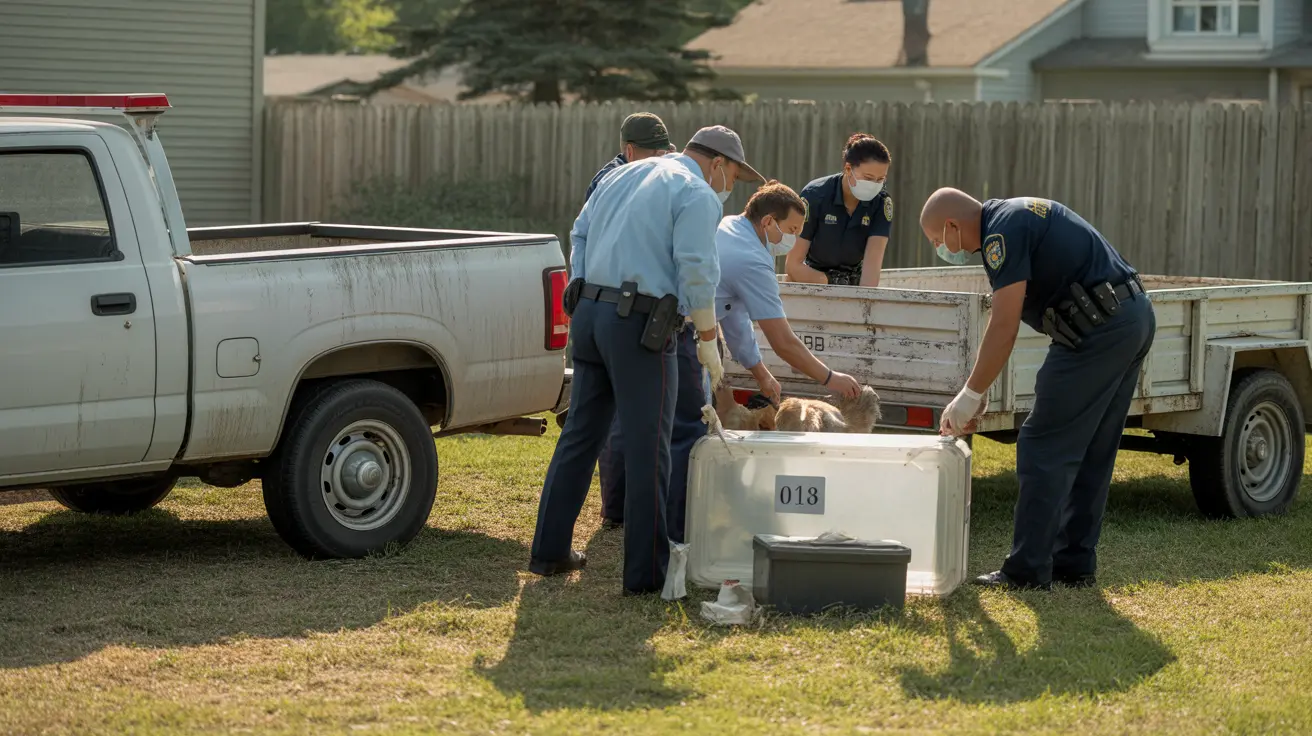
A disturbing animal neglect case has emerged in Bedford Township, Michigan, where authorities discovered multiple dead dogs and cats during an investigation at what was reportedly an overwhelmed animal rescue operation. The tragic discovery came alongside the removal of 29 dogs, 15 cats, and two horses from the Woodside Drive property, highlighting the serious consequences when animal rescue efforts exceed proper care capabilities.
This Bedford Township animal rescue neglect case serves as a stark reminder of how good intentions can turn tragic when rescue operations lack adequate resources, oversight, or proper management. The incident has prompted discussions about the fine line between legitimate animal rescue work and hoarding situations that endanger the very animals meant to be saved.
What Happened at the Bedford Township Property
During the investigation, authorities made the grim discovery of several deceased dogs and one cat at the Bedford Township property. In addition to these fatalities, officials removed 29 living dogs, 15 cats, and two horses from the premises. The Calhoun County Animal Shelter has been involved in handling the rescued animals, though specific details about the animals' current condition and future availability for adoption have not been disclosed.
This Michigan animal neglect case demonstrates how quickly animal welfare situations can deteriorate when proper care standards are not maintained. The presence of multiple deceased animals alongside dozens of living ones suggests a pattern of inadequate care that may have persisted over an extended period.
Recognizing Overwhelmed Animal Rescue Signs
For pet owners and community members, understanding the warning signs of an overwhelmed rescue operation is crucial for animal welfare. Legitimate animal rescues maintain clean facilities, provide adequate veterinary care, and operate within their capacity limits. Warning signs include overcrowded conditions, poor sanitation, animals showing signs of illness or malnutrition, and lack of transparency about operations.
The difference between animal hoarding vs rescue operations often comes down to the ability to provide proper care. Legitimate rescues have established veterinary relationships, maintain detailed records of animal health and placement, and operate with proper permits and oversight. Hoarding situations, even when they begin with good intentions, typically involve taking in more animals than can be properly cared for.
Legal Standards and Reporting Requirements
Michigan maintains specific legal standards for animal care that apply to all animal owners, including rescue operations. These standards cover basic needs such as adequate food, water, shelter, and veterinary care. When these standards are not met, it constitutes animal cruelty regardless of the owner's intentions.
Community members play a vital role in reporting animal cruelty in Michigan. If you suspect neglect or abuse, contact local animal control, law enforcement, or organizations like the Michigan Humane Society. Early reporting can prevent situations from escalating to the tragic levels seen in this Bedford Township case.
Supporting Animal Welfare in Your Community
Following incidents like this Calhoun County Animal Shelter Bedford case, community support becomes essential for both the rescued animals and legitimate animal welfare organizations. Local shelters often face increased burdens when taking in animals from neglect cases, requiring additional resources for medical care, rehabilitation, and eventual placement.
Responsible animal rescue best practices include working within capacity limits, maintaining proper veterinary relationships, ensuring adequate staffing and resources, and operating with transparency. Pet owners considering starting rescue operations should thoroughly research legal requirements, seek mentorship from established organizations, and honestly assess their capabilities before taking on animal care responsibilities.
Moving Forward After Tragedy
While this case represents a tragic failure of animal care, it also highlights the importance of community vigilance and proper oversight of animal welfare operations. The community role in reporting animal neglect cannot be overstated – early intervention can prevent situations from reaching such devastating conclusions.
For those interested in supporting local animal shelters after neglect cases like this, consider donating supplies, volunteering time, or fostering animals in need. These actions help legitimate organizations manage increased caseloads while ensuring rescued animals receive proper care.
Frequently Asked Questions
What happened at the Bedford Township, Michigan animal rescue where dozens of pets were removed?
Authorities discovered several dead dogs and one cat during an investigation at a Bedford Township property, while also removing 29 living dogs, 15 cats, and two horses. The case is being investigated as animal neglect, with the Calhoun County Animal Shelter involved in caring for the rescued animals.
How can I tell if a rescue or shelter is becoming overwhelmed or turning into an animal hoarding situation?
Warning signs include overcrowded conditions, poor sanitation, animals showing signs of illness or malnutrition, lack of veterinary care, and reluctance to allow facility visits. Legitimate rescues maintain clean facilities, provide proper medical care, and operate transparently within their capacity limits.
What should I do if I suspect animal neglect or cruelty at a local rescue, breeder, or private home?
Contact local animal control, law enforcement, or organizations like the Michigan Humane Society immediately. Document any visible concerns with photos if safe to do so, and provide specific details about your observations. Early reporting can prevent situations from escalating and save animal lives.
How can I avoid becoming overwhelmed and ensure I'm meeting legal standards of care for my animals?
Only take in animals you can properly care for, maintain relationships with veterinarians, keep detailed health records, ensure adequate food, water, shelter and medical care, and regularly assess your capacity limits. Consider partnering with established rescues rather than operating independently if you want to help more animals.




