
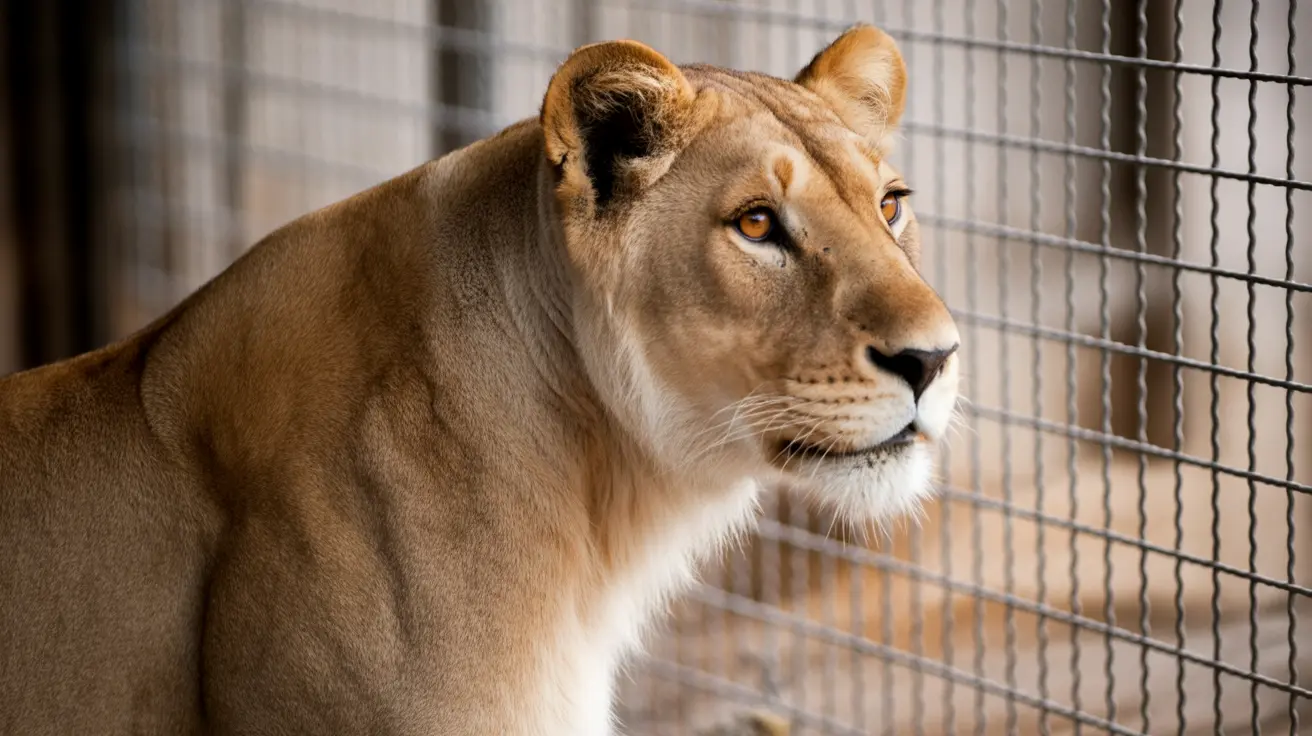
A Ventura County Superior Court has ordered Born to Be Free, Inc., an animal sanctuary located in Frazier Park, to pay more than $50,000 in penalties for housing exotic animals without obtaining the proper California exotic animal permit. This significant ruling highlights the critical importance of compliance with state regulations when operating facilities that house restricted species.
The case serves as a stark reminder to current and prospective animal sanctuary operators about the legal requirements necessary to care for exotic animals in California. Pet owners and animal welfare advocates should understand these regulations to ensure proper oversight of facilities claiming to provide sanctuary services for exotic species.
Understanding California's Restricted Species Permit Requirements
California maintains strict regulations governing the possession and housing of exotic animals through the Department of Fish and Wildlife. The restricted species permit California system is designed to ensure that only qualified facilities with appropriate resources, expertise, and safety measures can legally house dangerous or exotic animals like large cats, primates, and other potentially hazardous species.
Animal sanctuary permit requirements in California are comprehensive and include detailed facility inspections, staff qualifications, veterinary care protocols, and emergency response plans. These regulations exist to protect both the animals in care and the surrounding community from potential risks associated with housing exotic species.
Exotic Animal Sanctuary Regulations and Compliance Standards
The penalties imposed in this case underscore the serious consequences of operating without proper authorization. Animal sanctuary compliance standards require facilities to meet stringent criteria before receiving permission to house restricted species. These standards cover everything from enclosure specifications and security measures to staff training and veterinary care protocols.
Exotic animal enclosure requirements are particularly detailed, specifying minimum space requirements, barrier specifications, and environmental enrichment standards. Facilities must demonstrate they can provide appropriate housing that meets the physical and psychological needs of each species while maintaining public safety.
Legal Consequences and Penalties for Non-Compliance
The $50,000+ penalty imposed on Born to Be Free, Inc. represents the type of significant financial consequences that await facilities operating without proper permits. Penalties for unlicensed animal sanctuary operations can include substantial fines, facility closure orders, and requirements for animal relocation to properly licensed facilities.
California exotic animal laws are enforced through regular inspections and complaint investigations. The animal sanctuary inspection process helps ensure ongoing compliance with safety and animal welfare standards, but facilities operating without permits face immediate legal action when discovered.
Understanding Non-Transferable Permit Restrictions
One crucial aspect of California's exotic animal permit system is that permits are typically non-transferable between facilities or operators. This means that if ownership changes or animals are relocated, new permit applications must be submitted and approved before any transfer can occur legally.
This restriction helps ensure that the California Department of Fish and Wildlife can properly evaluate each facility's qualifications and capabilities before authorizing the housing of dangerous or exotic species.
Protecting Animal Welfare Through Proper Oversight
While the financial penalties are significant, the underlying concern driving these regulations is animal welfare. Properly licensed facilities must demonstrate their ability to provide appropriate veterinary care, nutrition, housing, and enrichment for exotic species. These requirements help prevent situations where animals suffer due to inadequate care or housing conditions.
Pet owners considering supporting animal sanctuaries should verify that facilities hold proper permits and maintain good standing with regulatory authorities. This helps ensure donated funds support legitimate operations that prioritize animal welfare.
Frequently Asked Questions
What happens if an animal sanctuary operates without a restricted species permit in California?
Sanctuaries operating without proper permits face significant legal consequences, including substantial fines (as demonstrated by this $50,000+ penalty), facility closure orders, and requirements to relocate animals to licensed facilities. The state takes these violations seriously due to public safety and animal welfare concerns.
How do I legally obtain a permit to house exotic animals like lions or leopards in California?
Obtaining a restricted species permit requires submitting detailed applications to the California Department of Fish and Wildlife, demonstrating appropriate facilities, staff qualifications, veterinary care arrangements, and emergency protocols. The process includes thorough facility inspections and ongoing compliance monitoring.
Are exotic animal permits transferable between owners or sanctuaries in California?
No, exotic animal permits are typically non-transferable in California. When ownership changes or animals need relocation, new permit applications must be submitted and approved by the California Department of Fish and Wildlife before any transfer can occur legally.
Conclusion
This case serves as an important reminder that operating an animal sanctuary, particularly one housing exotic species, requires strict adherence to legal requirements and regulatory standards. The substantial financial penalty imposed demonstrates California's commitment to enforcing these important protections for both animals and communities.
For pet owners and animal welfare supporters, this highlights the importance of supporting only properly licensed and regulated facilities that prioritize both animal welfare and public safety through compliance with established standards.




