
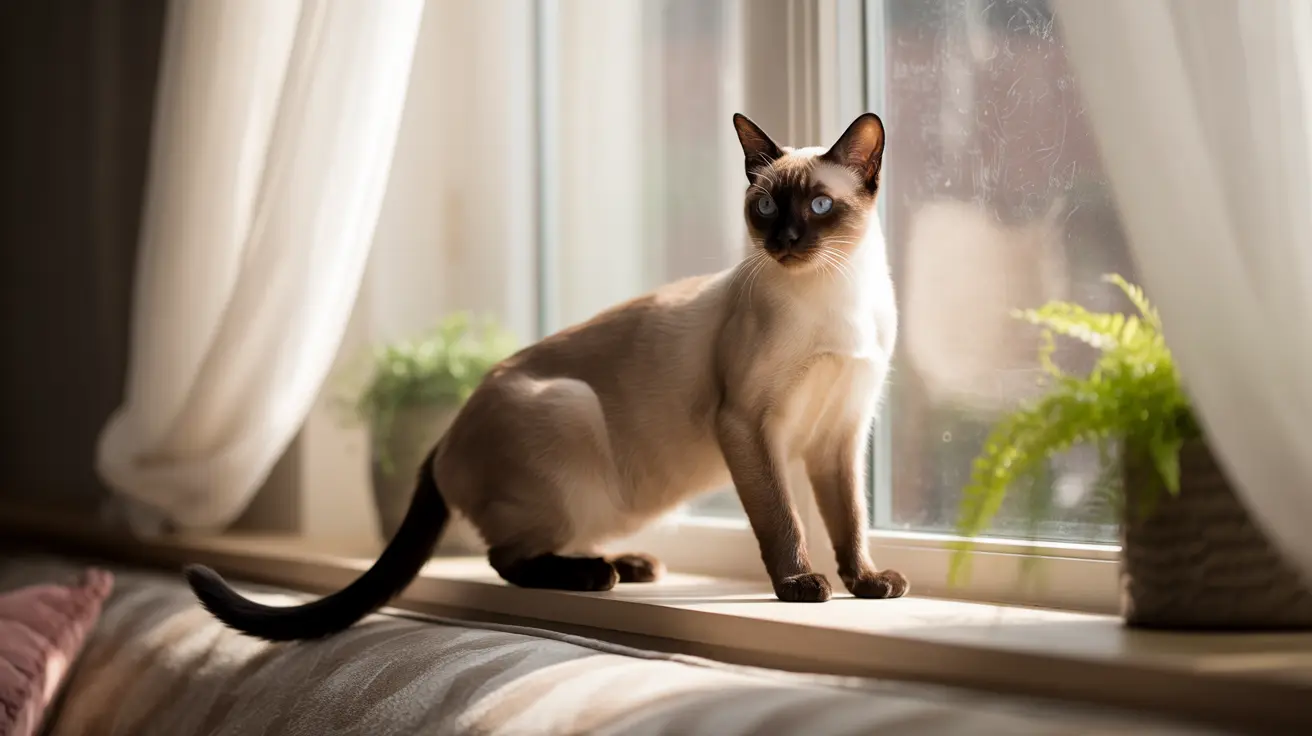
Understanding this phenomenon requires looking beyond folklore and into the science of feline perception. Cats are highly attuned to their environment, constantly monitoring scents, sounds, and body language. When an owner’s health changes, even slightly, these signals shift. A cat’s reaction may range from increased affection to withdrawal, depending on its personality and the type of illness involved. This sensitivity forms part of the deep emotional bond between cats and their owners, one that continues to intrigue scientists and pet lovers alike.
As research into animal cognition expands, experts are beginning to uncover how cats interpret human health cues. Their responses may not always be as dramatic as those of trained medical dogs, but they are nonetheless meaningful. Recognizing these behaviors can help owners better understand their pets and appreciate the subtle ways cats express empathy and concern.
How Cats Detect Changes in Human Health
One of the most remarkable aspects of feline perception lies in their sense of smell. Cats possess around 200 million odor-sensitive cells in their noses—far more than humans. This allows them to detect chemical changes in body odor that occur when a person is sick. Illnesses such as infections, diabetes, and even certain cancers can alter the body’s scent profile. Cats may respond to these changes by sniffing their owner more frequently, avoiding them, or staying unusually close. Their reactions depend on the nature of the scent and their individual temperament.
Beyond smell, cats are also sensitive to body temperature and movement. A fever, for instance, raises skin temperature, which a cat can feel when lying on or near its owner. Similarly, changes in breathing patterns, coughing, or restlessness can alert a cat that something is different. Because cats rely heavily on routine and consistency, any deviation in their owner’s behavior—such as sleeping more, moving slower, or speaking less—can trigger a response. They may interpret these signals as signs of distress and adjust their behavior accordingly.
Scientists studying animal empathy have found that cats often mirror their owner’s emotional state. When a person is anxious or depressed, their cat may become quieter or more affectionate. This emotional attunement, combined with their sensory acuity, makes cats surprisingly adept at detecting illness. While they may not understand the concept of disease, they recognize that something has changed and react in ways that provide comfort or reassurance.
Scientific Studies and Observations
Although research on feline detection of human illness is still limited compared to studies on dogs, several observations support the idea that cats can sense health changes. Veterinarians and animal behaviorists have documented numerous cases where cats behaved differently before their owners were diagnosed with medical conditions. For example, some cats have been reported to paw persistently at a specific area of their owner’s body, later found to be affected by cancer or infection. Others have refused to leave their owner’s side during periods of illness or recovery.
Recent studies in animal cognition suggest that cats can detect volatile organic compounds (VOCs) emitted by the human body when it undergoes metabolic changes. These compounds are often linked to diseases such as diabetes or kidney failure. While cats have not been formally trained to identify these scents like medical detection dogs, their natural curiosity and sensitivity make them capable of noticing subtle differences. Researchers believe that with proper training, cats could potentially assist in early illness detection in the future.
In addition to physical cues, cats respond strongly to emotional and behavioral signals. A 2023 study published in *Animal Cognition* found that cats can distinguish between their owner’s happy and distressed vocal tones. When owners were upset, cats tended to stay closer and engage in gentle physical contact. This suggests that cats not only perceive illness through sensory input but also through emotional resonance, reinforcing their role as intuitive companions.
Behavioral Signs That Your Cat Senses Something Is Wrong
When a cat senses that its owner is unwell, its behavior often changes in noticeable ways. Some cats become more affectionate, seeking constant contact or sleeping near their owner’s head or chest. Others may act protectively, positioning themselves between their owner and perceived threats. Conversely, certain cats withdraw or hide, possibly overwhelmed by the unfamiliar scents or behaviors associated with illness. Understanding these reactions can help owners interpret their cat’s signals more accurately.
Common behavioral indicators that your cat may sense illness include:
- Increased attention or clinginess, such as following you from room to room.
- Unusual vocalizations, including soft meows or purring near affected areas.
- Changes in sleeping patterns, often choosing to rest closer to you than usual.
- Heightened alertness or protective posturing around you.
- Reduced appetite or altered grooming habits, reflecting stress or empathy.
These behaviors are not always signs of illness detection; sometimes they simply reflect a cat’s response to environmental or emotional changes. However, when combined with other cues—like a sudden shift in your health—they can indicate that your cat is reacting to something specific. Paying attention to these patterns can deepen your understanding of your pet’s emotional intelligence and strengthen your bond during difficult times.
How to Support and Communicate With Your Cat During Illness
When you’re unwell, your cat’s behavior may change as it tries to adapt to your condition. Providing reassurance and maintaining a calm environment can help both of you cope. Cats thrive on stability, so keeping feeding times, play sessions, and resting spots consistent helps reduce their anxiety. If your illness limits your ability to interact, gentle verbal communication and soft petting can maintain the connection without overwhelming either of you.
It’s also important to monitor your cat’s well-being during this period. Cats can absorb their owner’s stress, leading to behavioral issues such as overgrooming or loss of appetite. Offering safe spaces, interactive toys, and quiet companionship can prevent these problems. If your cat becomes excessively withdrawn or aggressive, consulting a veterinarian or animal behaviorist can help identify underlying causes and restore balance to your relationship.
Ultimately, cats respond best to empathy and routine. By acknowledging their sensitivity and providing reassurance, you create an environment where both you and your feline companion can heal together. This mutual care highlights the profound emotional connection that exists between humans and cats—a bond that transcends words and relies on trust, observation, and shared comfort.
Cats may not diagnose illness in the medical sense, but their keen senses and emotional awareness allow them to detect when something is amiss. Through changes in scent, temperature, and behavior, they perceive shifts in their owner’s health and respond in ways that often bring comfort. Scientific research continues to explore this fascinating connection, revealing that cats are far more perceptive and empathetic than once believed. Recognizing and respecting their reactions can enhance the human–cat relationship, turning moments of vulnerability into opportunities for deeper companionship and understanding.
FAQ
Can cats really tell when their owners are sick?
Yes, many cats can detect subtle changes in their owner’s scent, behavior, and body temperature that occur during illness. While they don’t understand disease in human terms, they recognize that something is different. This awareness often leads them to act more affectionate or protective. Their reactions vary depending on the cat’s personality and the type of illness involved. Some may stay close for comfort, while others might keep a cautious distance if they sense unusual odors or energy levels.
How do cats sense illness through smell?
Cats have an extraordinary sense of smell, with hundreds of millions of scent receptors in their noses. When a person becomes ill, their body chemistry changes, releasing different volatile compounds through sweat, breath, and skin. Cats can detect these subtle differences, even when humans cannot. This ability allows them to notice when something is off, prompting behavioral changes such as sniffing more frequently or staying near the affected person. It’s a natural extension of their survival instincts, adapted to their bond with humans.
Do cats react differently to physical versus emotional illness?
Yes, cats often distinguish between physical and emotional distress. When their owner is physically ill, they may respond to changes in scent, temperature, or movement. In contrast, emotional illnesses like depression or anxiety trigger responses to tone of voice, posture, and energy levels. Cats may become quieter, more affectionate, or even mirror their owner’s mood. This dual sensitivity highlights their ability to interpret both physiological and emotional cues, making them uniquely attuned companions during challenging times.
Can cats detect serious diseases like cancer or diabetes?
There are anecdotal reports of cats detecting serious illnesses such as cancer or diabetes. These conditions can alter a person’s body odor due to metabolic changes, which cats can sense. While scientific evidence is still limited, researchers believe cats could potentially be trained to identify specific disease-related scents, much like medical detection dogs. However, most cats naturally respond to these changes without formal training, often by focusing attention on the affected area or behaving protectively toward their owner.
Why does my cat avoid me when I’m sick?
Some cats withdraw when their owner is ill because they are unsettled by changes in scent, behavior, or energy. Illness can make a person smell different or move unpredictably, which may confuse or stress a sensitive cat. This reaction doesn’t mean your cat doesn’t care—it’s simply their way of coping with unfamiliar stimuli. Providing a calm environment, gentle reassurance, and maintaining routine can help your cat feel secure until things return to normal.
Do cats comfort their owners intentionally?
While cats may not consciously decide to “comfort” their owners in a human sense, their actions often have that effect. They respond instinctively to emotional and physical cues, seeking closeness when they perceive distress. Purring, gentle headbutts, and resting nearby are ways cats express empathy and connection. These behaviors release calming hormones in both the cat and the human, reinforcing the bond and promoting mutual comfort during illness or stress.
Can my cat’s behavior warn me about my own health?
In some cases, yes. Sudden changes in your cat’s behavior—such as persistent sniffing, pawing at a specific area, or unusual attention—might coincide with underlying health issues. While cats are not diagnostic tools, their reactions can serve as subtle reminders to pay attention to your body. If your cat’s behavior seems unusually focused or persistent, it may be worth consulting a doctor to rule out any medical concerns. Cats often notice what humans overlook, making their instincts valuable, if indirect, indicators.
How can I help my cat adjust when I’m recovering from illness?
During recovery, maintaining consistency is key. Keep feeding and play schedules as normal as possible, and offer gentle affection without forcing interaction. Cats appreciate predictability, so minimizing sudden changes helps them feel secure. If your energy is low, provide quiet companionship—let your cat rest beside you or near your bed. As you regain strength, gradually resume normal activities together. This steady approach reassures your cat that life is returning to balance, reinforcing trust and emotional stability for both of you.
Are some cat breeds more empathetic than others?
While empathy varies more by individual personality than breed, some cats are naturally more social and responsive. Breeds like Ragdolls, Maine Coons, and Siamese are known for their affectionate and people-oriented nature, which may make them more likely to respond to their owner’s illness. However, even independent breeds can show deep sensitivity when bonded closely with their humans. The strength of the relationship, daily interaction, and mutual trust often determine how a cat reacts to changes in health or mood.
Should I worry if my cat’s behavior changes suddenly?
Sudden behavioral changes can signal that your cat senses something unusual—either in you or in its environment. While it may simply be responding to stress or routine disruption, it’s wise to observe both your own health and your cat’s condition. If the behavior persists or is accompanied by signs of illness in your cat, consult a veterinarian. Likewise, if your cat’s unusual attention coincides with your own unexplained symptoms, consider seeking medical advice. Cats’ instincts are powerful, and their reactions often carry meaningful insights.




