
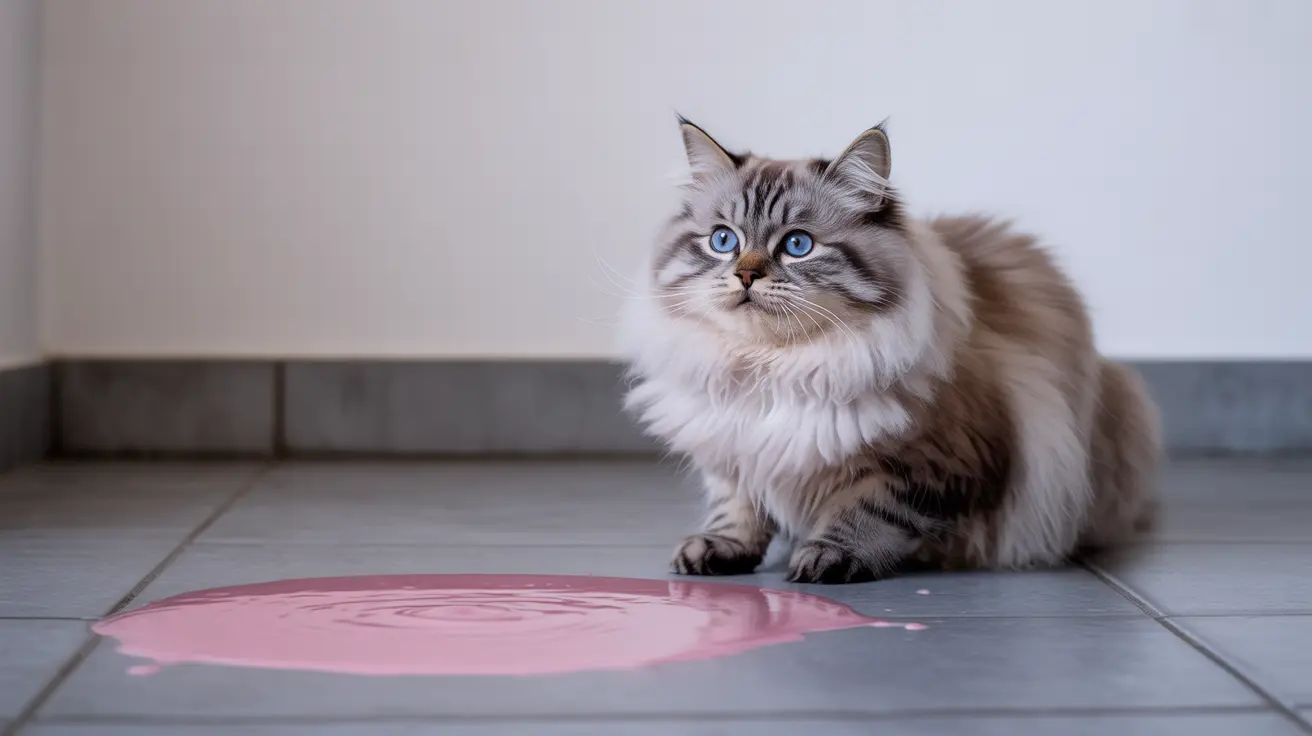
Seeing your cat vomit is always concerning, but when the liquid appears pink, it can be especially alarming. Pink vomit often indicates the presence of blood mixed with stomach fluids or food dye, suggesting irritation or injury somewhere in the digestive tract. While a small amount of pinkish fluid might result from something minor, such as a colored treat or toy dye, it can also signal a more serious underlying condition. Understanding the possible causes and knowing how to respond quickly can make a significant difference in your cat’s health and comfort.
Vomit that appears pink may range from pale, watery fluid to thicker, reddish material. The shade and consistency can help determine whether the color comes from food pigments or blood. If the vomit looks frothy or contains streaks of red, it’s more likely that blood is involved. Because cats are prone to hiding pain, visible signs like this are often the first clue that something is wrong internally. Recognizing these early indicators allows owners to act before the condition worsens.
Before assuming the worst, it’s important to observe your cat’s behavior and environment. Has your cat eaten something unusual, such as a colored toy or human food? Are there other symptoms like lethargy, loss of appetite, or frequent vomiting? These details help narrow down the cause and guide your next steps. The following sections explore the most common reasons for pink vomit and what you can do to help your feline recover safely.
Common Causes of Pink Vomit in Cats
There are several potential reasons a cat might vomit pink liquid, ranging from mild irritation to serious medical conditions. One of the most frequent causes is gastrointestinal irritation. This can occur when a cat eats something that scratches or inflames the stomach lining, such as grass, bones, or foreign objects. The irritation can cause small blood vessels to rupture, tinting the vomit pink. Food allergies or sudden diet changes can also upset the stomach and lead to vomiting with traces of blood.
Another possible cause is ingestion of colored substances. Some cat treats, toys, or even medications contain red or pink dyes that can alter the color of vomit. In these cases, the cat may not be bleeding internally, but it’s still important to monitor for other symptoms. If the vomiting continues after removing the suspected source, a deeper issue may be at play. More serious conditions include ulcers, infections, or trauma to the digestive tract, all of which can cause bleeding and discoloration of stomach contents.
In some cases, pink vomit can indicate systemic problems such as liver disease, kidney failure, or clotting disorders. These conditions affect how the body processes toxins and blood, leading to internal bleeding or irritation. Cats with these illnesses often show additional signs like yellowing of the eyes, weight loss, or excessive thirst. Because these symptoms can overlap with other diseases, a veterinary examination is essential for accurate diagnosis and treatment.
- Gastrointestinal irritation from foreign objects or rough food
- Reaction to colored treats, toys, or medications
- Stomach ulcers or infections causing internal bleeding
- Liver or kidney disease affecting blood clotting
- Trauma or injury to the digestive tract
Understanding these potential causes helps you decide whether the situation is urgent or manageable at home. However, even if the cause seems minor, persistent vomiting should never be ignored. The next section explains what immediate steps to take when you notice pink vomit and how to keep your cat safe until professional help is available.
Immediate Actions to Take When Your Cat Vomits Pink Liquid
When you first notice your cat vomiting pink liquid, remain calm but act promptly. Start by removing any food or water for a few hours to allow the stomach to settle. Observe your cat closely during this time—note how often the vomiting occurs, whether the color changes, and if your cat appears weak or distressed. If the vomiting happens more than once or is accompanied by other symptoms like drooling, hiding, or rapid breathing, contact your veterinarian immediately. These signs may indicate internal bleeding or poisoning, both of which require urgent care.
Check your home for possible sources of ingestion. Look for chewed toys, spilled cleaning products, or plants that could be toxic. Cats are curious by nature and may lick or bite objects that contain harmful dyes or chemicals. If you suspect your cat has ingested something dangerous, bring a sample or photo of the substance to the vet. This information can help the veterinarian determine the best treatment, whether it involves inducing vomiting, administering activated charcoal, or providing supportive fluids.
While waiting for professional advice, keep your cat comfortable in a quiet, warm area. Avoid offering food until vomiting has stopped for at least several hours, then reintroduce small amounts of bland food such as boiled chicken or prescription gastrointestinal diets. Make sure fresh water is available, but encourage small, frequent sips rather than large gulps. These simple steps can prevent dehydration and reduce further irritation to the stomach lining.
Diagnosis and Veterinary Treatment Options
When you bring your cat to the veterinarian, the doctor will begin by taking a detailed history of the vomiting episodes, diet, and any recent changes in behavior. A physical examination follows, focusing on the abdomen, mouth, and gums to check for signs of bleeding or pain. Depending on the findings, the vet may recommend diagnostic tests such as blood work, X-rays, or ultrasound imaging to identify internal injuries or organ dysfunction. These tests help rule out conditions like ulcers, tumors, or liver disease that could cause pink vomit.
Treatment depends on the underlying cause. For mild irritation or dietary issues, the vet may prescribe anti-nausea medication, stomach protectants, or a temporary switch to a bland diet. If an infection or ulcer is detected, antibiotics or acid-reducing drugs may be necessary. In more severe cases involving internal bleeding or organ failure, hospitalization with intravenous fluids and monitoring might be required. The goal is to stabilize the cat, stop the vomiting, and address the root cause to prevent recurrence.
Follow-up care is just as important as initial treatment. Your veterinarian may schedule a recheck appointment to ensure the stomach lining has healed and that no further bleeding occurs. During recovery, it’s crucial to follow feeding instructions carefully and avoid giving treats or foods that could irritate the digestive tract. With proper care and attention, most cats recover fully from mild cases, though chronic or severe conditions may require ongoing management.
Preventing Future Episodes and Supporting Digestive Health
Prevention plays a key role in keeping your cat healthy and avoiding future episodes of pink vomit. Start by providing a balanced, high-quality diet suited to your cat’s age and health status. Avoid frequent changes in food brands or flavors, as sudden dietary shifts can upset the stomach. Ensure that all toys and treats are made from safe, non-toxic materials without artificial dyes. Regularly inspect your home for small objects or plants that could be harmful if ingested.
Routine veterinary checkups are another essential part of prevention. Annual or semiannual exams allow your vet to detect early signs of digestive problems, dental disease, or systemic illnesses before they become serious. Keeping your cat hydrated and encouraging moderate exercise also supports healthy digestion. If your cat has a history of sensitive stomach issues, your vet may recommend specialized diets or supplements that promote gut health and reduce inflammation.
- Feed consistent, high-quality meals without artificial coloring
- Keep toxic plants and chemicals out of reach
- Provide safe, dye-free toys and treats
- Schedule regular veterinary wellness exams
- Monitor for early signs of digestive distress
By maintaining these preventive habits, you can significantly reduce the risk of gastrointestinal irritation and other conditions that lead to vomiting. Prevention not only protects your cat’s health but also spares you the stress of emergency visits and uncertainty about your pet’s well-being.
Acting Quickly Can Save Your Cat’s Health
Pink vomit in cats should never be dismissed as a minor issue. While it can sometimes result from harmless causes like food dye, it may also signal internal bleeding, infection, or organ disease. Observing your cat’s behavior, noting any additional symptoms, and seeking veterinary advice promptly are the best ways to ensure a positive outcome. Early intervention often prevents complications and helps your cat recover faster.
As a responsible pet owner, staying informed about potential health risks empowers you to act confidently in emergencies. By combining attentive observation, preventive care, and timely veterinary support, you can keep your feline companion safe, comfortable, and healthy for years to come.
FAQ
What does it mean if my cat vomits pink liquid only once?
If your cat vomits pink liquid a single time and then behaves normally, it may not be an immediate emergency. The color could come from food dye, a treat, or minor stomach irritation. However, you should still monitor your cat closely for the next 24 hours. If vomiting recurs, or if your cat shows signs of weakness, loss of appetite, or pale gums, contact your veterinarian. Even one episode can indicate early irritation that might worsen without treatment.
Can colored cat food cause pink vomit?
Yes, some commercial cat foods and treats contain artificial coloring that can tint vomit pink or red. This is especially common with products that use beet or red dye. To determine whether food is the cause, check the ingredient list and temporarily switch to a dye-free formula. If the vomiting stops, the coloring was likely responsible. However, if pink vomit continues after changing food, it’s best to have your cat examined for possible internal bleeding or digestive issues.
Is pink vomit always a sign of blood?
Not always. While pink vomit can indicate blood, it may also result from colored substances your cat ingested. True blood in vomit often appears as streaks or specks of red, or it may turn brownish when partially digested. If you’re unsure, collect a small sample and show it to your veterinarian. They can test whether the color comes from blood or dye. Because internal bleeding can progress quickly, it’s safest to treat any pink vomit as potentially serious until proven otherwise.
What should I do before taking my cat to the vet?
Before heading to the vet, note key details such as when the vomiting started, how often it occurs, and what your cat ate recently. Remove food and water for a few hours to prevent further vomiting, but ensure your cat stays comfortable and warm. Bring a sample of the vomit or a photo to help the vet identify the cause. If you suspect your cat ingested a toxic substance, take the packaging or a picture of it along. These details can speed up diagnosis and treatment.
Can stress cause a cat to vomit pink liquid?
Stress alone rarely causes pink vomit, but it can contribute to stomach upset that leads to vomiting. Cats under stress may eat less, groom excessively, or swallow hair, which irritates the stomach lining. If the irritation becomes severe, small blood vessels may rupture, giving the vomit a pink tint. Reducing stress through environmental enrichment, consistent routines, and safe hiding spaces can help prevent recurrence. Still, any pink coloration should be checked by a veterinarian to rule out more serious causes.
How do veterinarians diagnose the cause of pink vomit?
Veterinarians use a combination of physical exams, lab tests, and imaging to determine the cause. Blood tests can reveal infections, organ dysfunction, or clotting problems. X-rays and ultrasounds help identify foreign objects, tumors, or ulcers. In some cases, endoscopy allows direct visualization of the stomach lining. The vet may also analyze the vomit sample for traces of blood or toxins. This thorough approach ensures that treatment targets the underlying problem rather than just the symptom.
What treatments are available for cats vomiting pink liquid?
Treatment depends on the diagnosis. Mild irritation may be managed with anti-nausea medication, stomach protectants, and a temporary bland diet. Infections or ulcers often require antibiotics or acid reducers. If internal bleeding or organ disease is found, hospitalization with IV fluids and monitoring may be necessary. The veterinarian’s goal is to stop the vomiting, heal the digestive tract, and prevent recurrence. Following all post-treatment instructions carefully helps ensure a full recovery.
How can I prevent my cat from vomiting pink liquid again?
Prevention involves maintaining a stable diet, avoiding artificial dyes, and keeping harmful substances out of reach. Feed your cat consistent, high-quality food and avoid sudden changes. Provide safe toys and ensure household plants and chemicals are inaccessible. Regular veterinary checkups can catch early signs of digestive or systemic issues. If your cat has a sensitive stomach, your vet may recommend specialized food or supplements that support gut health and reduce inflammation.
When should I consider pink vomit an emergency?
Pink vomit becomes an emergency if your cat vomits repeatedly, appears weak, refuses food, or shows signs of pain or pale gums. These symptoms may indicate internal bleeding or poisoning. Immediate veterinary attention is critical in such cases. Even if your cat seems stable, persistent vomiting can quickly lead to dehydration and worsen underlying conditions. When in doubt, it’s always safer to call your veterinarian or an emergency clinic for guidance.
Can home remedies help a cat with pink vomit?
Home remedies should only be used after consulting a veterinarian. While withholding food for a few hours and offering bland meals can help mild cases, pink vomit may signal bleeding or serious illness that requires professional care. Avoid giving human medications or herbal treatments without veterinary approval, as many are toxic to cats. The best home care involves observation, hydration, and prompt veterinary follow-up to ensure your cat receives the right treatment.




