
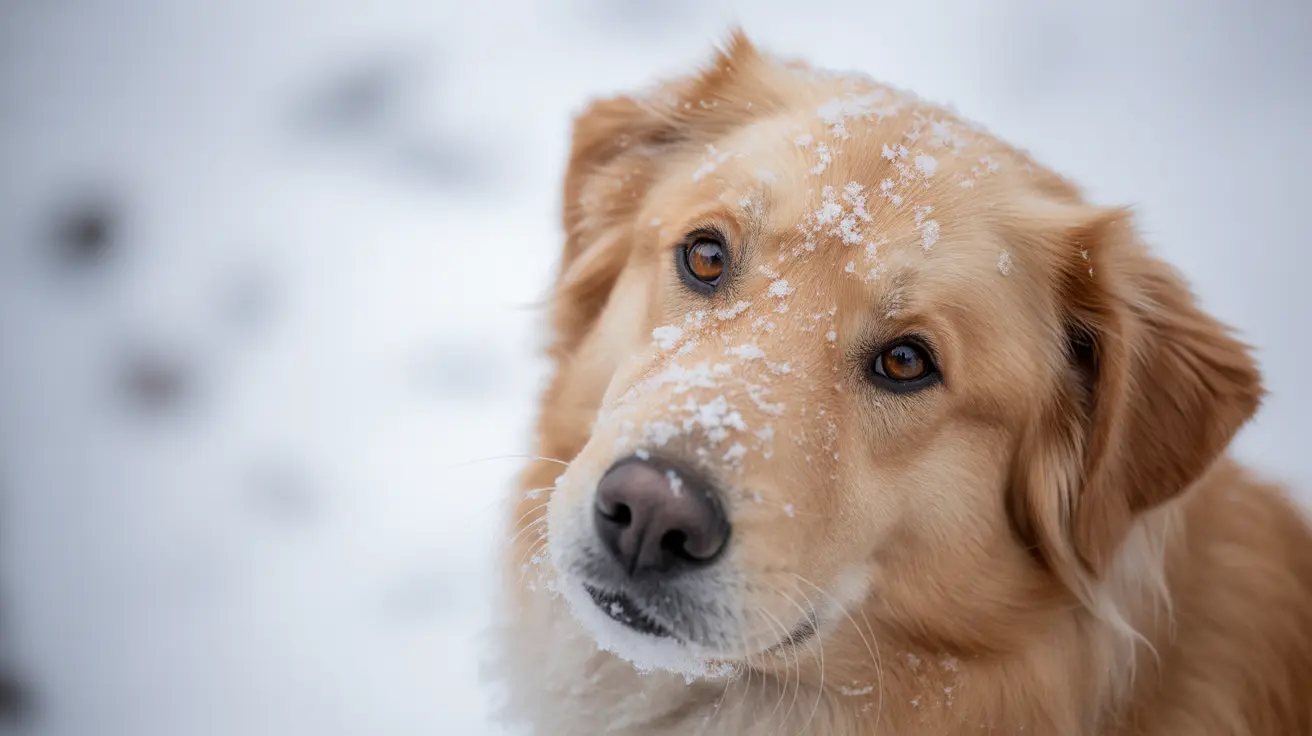
As freezing temperatures prepare to grip the Lowcountry overnight, Charleston Animal Society is taking proactive steps to ensure pet owners understand the critical importance of protecting pets from cold weather. The organization's timely reminder comes as meteorologists forecast a significant temperature drop that could put outdoor animals and vulnerable pets at serious risk.
Pet owners across the region are being urged to take immediate action to safeguard their furry companions from potentially dangerous conditions. Cold weather poses unique challenges for domestic animals, and understanding proper protection measures can mean the difference between safety and serious health complications for beloved pets.
Understanding Cold Weather Risks for Pets
The Charleston Animal Society's warning highlights the urgent need for pet owners to recognize that not all animals are equipped to handle sudden temperature drops. Unlike their wild counterparts, domestic pets rely entirely on their human families for protection against harsh weather conditions.
When temperatures plunge as expected in the Lowcountry, several immediate dangers emerge for pets. Exposure to freezing conditions can lead to rapid heat loss, dehydration, and in severe cases, life-threatening medical emergencies. Pet owners must understand that what feels merely uncomfortable to humans can be devastating for animals.
Signs of Hypothermia in Pets
Recognizing the early warning signs of cold-related distress is crucial for pet safety. Hypothermia in dogs and other pets typically begins with subtle behavioral changes that can quickly escalate into serious medical situations.
Common indicators include excessive shivering, lethargy, difficulty walking, and seeking warm places to hide. As conditions worsen, pets may experience decreased heart rate, shallow breathing, and loss of consciousness. Pet owners should monitor their animals closely during cold snaps and be prepared to act quickly if symptoms appear.
Pet Frostbite Prevention Strategies
Frostbite represents another significant threat during extreme cold events. Pet frostbite prevention requires understanding which animals are most vulnerable and taking appropriate protective measures. Extremities like ears, tails, and paw pads are particularly susceptible to frostbite damage.
Short-haired dogs, elderly pets, and very young animals face elevated risks during cold weather events. These vulnerable populations require extra attention and protection when temperatures drop below freezing.
Cold Weather Pet Safety Tips for Immediate Action
Effective cold weather pet safety tips begin with bringing outdoor pets inside whenever possible. For pets that must remain outdoors, providing adequate shelter becomes essential. Shelters should be dry, insulated, and appropriately sized to retain body heat while protecting against wind and precipitation.
Pet paw protection winter care involves checking paws regularly for ice accumulation, cuts, or signs of frostbite. Consider using pet-safe ice melts on walkways and wiping paws after outdoor exposure to remove harmful chemicals.
Maintaining proper hydration remains important even in cold weather. Ensure water sources don't freeze, as dehydration can occur year-round and may actually increase during winter months due to dry air and heating systems.
Feral Cat Winter Shelters and Community Support
The Charleston Animal Society's alert extends beyond owned pets to include concern for feral cat winter shelters and community animals. Feral cats face particular challenges during cold snaps, as they lack the protection and care provided to domestic pets.
Community members can help by providing temporary shelters, unfrozen water sources, and additional food during extreme weather events. Even small actions can significantly impact the survival of outdoor cat populations during dangerous cold periods.
Indoor Pet Heating Safety Considerations
While bringing pets indoors provides essential protection, indoor pet heating safety requires attention to prevent accidents. Space heaters, fireplaces, and heating vents can pose burn risks to curious pets seeking warmth. Always supervise pets around heating sources and ensure they have comfortable, safe areas to rest.
Frequently Asked Questions
How can I protect my dog from frostbite during a cold snap in the upper 20s?
Bring your dog indoors as much as possible and limit outdoor exposure to brief bathroom breaks. If your dog must be outside, provide insulated shelter and consider protective booties for paws. Monitor extremities like ears and tail tips for signs of frostbite, including pale or gray coloration.
What are the signs of hypothermia in pets and what should I do if I see them?
Watch for shivering, lethargy, difficulty walking, and seeking warm hiding spots. In severe cases, pets may have shallow breathing or loss of consciousness. If you suspect hypothermia, move your pet to a warm area immediately, wrap in blankets, and contact your veterinarian or emergency animal hospital.
Should I bring my outdoor cat inside during freezing Lowcountry winters, and how do I help feral cats?
Yes, bring outdoor cats inside when possible. For feral cats, provide insulated shelters, unfrozen water, and extra food. Small doghouses lined with straw (not blankets, which freeze) can provide life-saving warmth for community cats during extreme cold events.
The Charleston Animal Society's cold weather advisory serves as a crucial reminder that pet safety requires proactive planning and immediate action during extreme weather events. By understanding the risks and implementing proper protection strategies, pet owners can ensure their companions remain safe and healthy throughout the Lowcountry's cold snap.




