
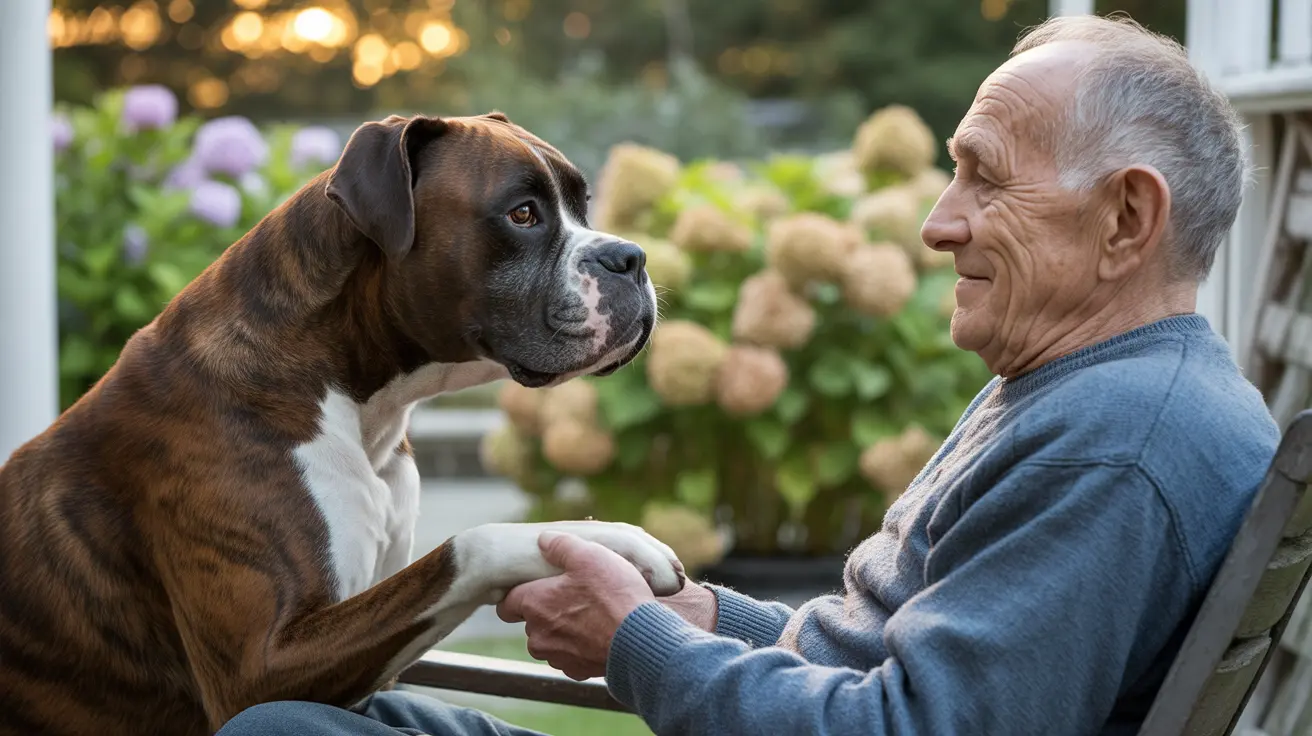
Scientific research has begun to explore this phenomenon, revealing that dogs’ extraordinary senses may allow them to detect subtle biological and behavioral changes in humans. While the idea of dogs predicting death may sound mystical, it is increasingly supported by evidence showing that dogs can perceive chemical and emotional cues that humans cannot. Understanding how this works requires looking at both their physical abilities and their emotional intelligence.
As we explore this topic, it’s important to separate myth from science. Dogs may not foresee death in a supernatural way, but their heightened senses and deep empathy make them remarkably attuned to human changes that often accompany serious illness or the end of life. This awareness forms the foundation of their seemingly mysterious intuition.
The Science Behind a Dog’s Extraordinary Senses
Dogs experience the world primarily through scent. Their noses contain up to 300 million olfactory receptors—compared to about six million in humans—allowing them to detect minute chemical changes in the body. When a person is ill or nearing death, their metabolism and body chemistry can shift, releasing different compounds through breath, sweat, and skin. Dogs can pick up on these changes long before humans notice any visible symptoms. This ability is the same one that allows trained medical detection dogs to identify conditions such as cancer, diabetes, or seizures.
Beyond smell, dogs are also sensitive to sound and subtle body language. They can hear frequencies far beyond human range and notice small variations in breathing, heartbeat, or movement. When someone is dying, these physical cues often change—breathing may become shallow, heart rate irregular, and movement limited. Dogs, with their acute hearing and observation skills, can detect these shifts and respond accordingly, often by staying close or becoming unusually quiet.
Researchers have also found that dogs are highly responsive to human hormones such as cortisol and oxytocin. These chemicals fluctuate with stress, fear, and sadness, giving dogs a biochemical window into our emotional state. This combination of sensory and emotional awareness helps explain why dogs often behave differently around people who are sick or dying—they are responding to real, measurable changes rather than supernatural signals.
Emotional Intelligence and Empathy in Dogs
While a dog’s physical senses are extraordinary, their emotional intelligence is equally impressive. Dogs are social animals that have evolved to read human cues for survival and companionship. They can interpret facial expressions, tone of voice, and body posture with remarkable accuracy. This emotional attunement allows them to sense when their owners are anxious, sad, or in pain. In end-of-life situations, dogs may mirror their owner’s emotional state, becoming subdued or protective as they sense distress.
Studies in animal behavior have shown that dogs exhibit empathy-driven behaviors similar to those seen in humans. They may nuzzle, lick, or rest beside someone who is unwell, offering comfort through physical closeness. This instinctive caregiving behavior is not limited to their owners; therapy dogs in hospitals and hospices often display similar sensitivity toward patients they have never met before. Their ability to detect emotional suffering and respond with calm presence has made them invaluable in palliative care settings.
It’s important to note that not every dog reacts the same way. Personality, training, and past experiences all influence how a dog responds to human illness or death. Some may become clingy or anxious, while others quietly observe from a distance. Regardless of their reaction, the underlying motivation is often empathy—a desire to connect and comfort in moments of vulnerability.
Real-Life Accounts and Scientific Observations
Countless anecdotes describe dogs behaving unusually before a person’s death. Families have reported pets refusing to leave a dying loved one’s bedside, howling at unusual times, or showing signs of agitation days before a passing occurs. While such stories are compelling, scientists caution that anecdotal evidence alone cannot prove predictive ability. However, when combined with what we know about canine senses, these accounts gain credibility as examples of dogs responding to physiological and emotional changes rather than predicting death itself.
Hospice workers and veterinarians have also observed consistent patterns in dogs’ behavior around the dying. Therapy dogs, for instance, often gravitate toward patients who are closest to death, lying quietly beside them or resting their heads on their laps. Researchers believe this is due to the dogs detecting changes in scent and body temperature, as well as responding to the subdued energy in the room. These behaviors provide comfort not only to the patient but also to family members witnessing the process.
Scientific studies continue to explore these observations. Some research teams are investigating whether dogs can be trained to recognize specific chemical markers associated with terminal illness. If successful, such training could lead to new ways of supporting end-of-life care, allowing dogs to alert caregivers when a patient’s condition is changing. This potential application underscores how deeply intertwined canine intuition and human well-being have become.
How Dogs Respond to Death and Grief
When a person or another pet in the household dies, dogs often show signs of mourning. They may search for the deceased, lose interest in food, or sleep more than usual. These behaviors suggest that dogs experience grief in their own way, shaped by their attachment and understanding of loss. Their reactions are not just learned responses but emotional expressions rooted in their bond with humans and other animals.
Experts recommend supporting grieving dogs by maintaining consistent routines, offering extra affection, and allowing them to process the change at their own pace. Just as humans need time to adjust after a loss, dogs benefit from stability and reassurance. Some may find comfort in familiar scents or objects belonging to the deceased, while others respond positively to new activities that help redirect their focus.
Recognizing that dogs grieve also deepens our appreciation for their emotional depth. Their sensitivity to death and loss reflects the same empathy that allows them to sense illness and distress. By understanding and respecting these emotions, owners can strengthen their connection with their pets and provide mutual comfort during difficult times.
The Mystery and Meaning of Canine Intuition
Dogs may not possess supernatural powers, but their ability to sense death stems from a remarkable combination of biology, empathy, and shared experience. Their acute senses allow them to detect changes in scent, sound, and behavior that accompany illness or the dying process, while their emotional intelligence drives them to respond with compassion. This blend of instinct and empathy gives rise to the impression that dogs can foresee death, when in reality they are perceiving the subtle signs of life’s final transition.
Ultimately, the mystery of dogs sensing death reminds us of the profound bond between humans and animals. It highlights how deeply they understand us—sometimes better than we understand ourselves. Whether through science or intuition, their presence at life’s most fragile moments offers comfort, connection, and a reminder that love transcends even the boundaries of death.
FAQ
Can dogs really sense when a person is about to die?
Dogs cannot predict death in a mystical sense, but they can detect physical and emotional changes that often occur before death. Their powerful sense of smell allows them to notice shifts in body chemistry, while their emotional sensitivity helps them respond to distress. These combined abilities make it seem as though they “know” when death is near, even though they are reacting to real, observable cues rather than foreseeing the future.
What physical signs might dogs detect before death?
As a person nears death, their body undergoes changes such as altered breathing patterns, temperature fluctuations, and chemical shifts in sweat and breath. Dogs can detect these subtle differences through scent and sound. They may also notice reduced movement or changes in energy levels, prompting them to stay close or behave differently. These reactions are instinctive responses to sensory information rather than conscious understanding of death.
Do all dogs react the same way when someone is dying?
No, dogs’ reactions vary widely depending on their temperament, training, and relationship with the person. Some dogs become protective or refuse to leave the person’s side, while others may withdraw or act anxious. The intensity of their response often reflects the strength of their emotional bond and their individual coping style. Just like humans, dogs express empathy and concern in diverse ways.
Can dogs be trained to detect death or illness?
While dogs cannot be trained to predict death itself, they can be trained to recognize specific scents associated with illness or physiological decline. Medical detection dogs already assist in identifying diseases such as cancer or diabetes by detecting chemical markers in breath or bodily fluids. Similar training could one day help dogs alert caregivers when a patient’s condition is worsening, offering valuable support in hospice or medical settings.
Why do some dogs howl or act restless before a death occurs?
Howling or restlessness may be a dog’s reaction to stress, confusion, or sensing changes in their environment. Dogs are highly attuned to emotional energy and may respond to the tension or sadness surrounding a dying person. In some cases, they may also detect unusual scents or sounds that signal physical decline. These behaviors are expressions of empathy and awareness rather than supernatural warnings.
Do dogs understand what death means?
Dogs likely do not comprehend death in the same abstract way humans do, but they recognize absence and loss. When a loved one dies, they may search for them, show signs of confusion, or display sadness. Their behavior indicates awareness that something significant has changed, even if they cannot conceptualize death itself. This emotional response demonstrates their capacity for attachment and grief.
How can I comfort my dog after a loved one passes away?
After a loss, maintaining routine and offering reassurance are key. Spend extra time with your dog, provide gentle affection, and keep their environment stable. Allow them to grieve in their own way—some may seek closeness, while others prefer solitude. Introducing new activities or walks can help redirect their focus and gradually restore emotional balance. Patience and consistency are essential during this period of adjustment.
Are there scientific studies supporting dogs’ ability to sense death?
Yes, several studies support the idea that dogs can detect physiological changes associated with illness and decline. Research into medical detection dogs has shown they can identify diseases through scent with remarkable accuracy. While direct studies on sensing death are limited, the same sensory mechanisms likely apply. Observations from hospice workers and veterinarians further reinforce that dogs respond to measurable changes rather than mystical intuition.
Do other animals share this ability?
Some animals, such as cats and horses, also appear sensitive to human illness and emotional states. Cats in nursing homes have been observed curling up beside patients shortly before they pass away, while horses often respond to human distress with calm or protective behavior. These examples suggest that empathy and sensory awareness are not unique to dogs but are particularly well-developed in them due to their close evolutionary relationship with humans.
What does this tell us about the human–dog relationship?
The ability of dogs to sense death underscores the depth of their connection with humans. It shows that their loyalty and empathy are rooted in both biology and emotional intelligence. This bond allows them to share in our joys and sorrows, offering comfort when words are not enough. Understanding this connection enriches our appreciation of dogs not just as pets, but as sentient companions who walk beside us through every stage of life—including its end.




