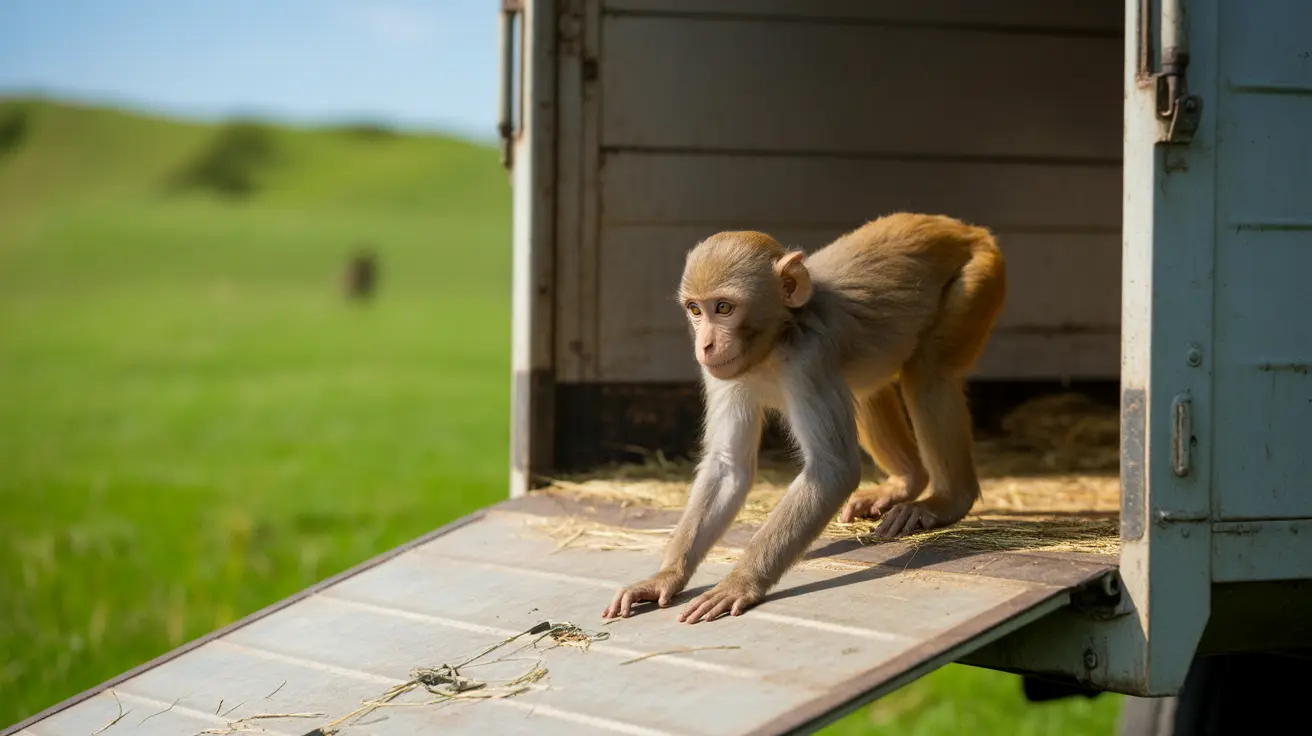
A former laboratory monkey has found a new lease on life at a New Jersey animal refuge following a dramatic truck crash that occurred weeks ago. The incident highlights the complex journey these primates face when transitioning from research facilities to sanctuary care, raising important questions about animal transport safety and the ethical treatment of biomedical research monkeys.
The rescued primate has been welcomed at Popcorn Park Animal Refuge in New Jersey, where specialized staff are providing the comprehensive care these intelligent animals require. This case underscores the critical role that primate sanctuaries play in offering alternative futures for animals previously used in research settings.
The Journey from Lab Monkey Rescue to Sanctuary Life
The transition from laboratory to sanctuary represents a significant adjustment for any primate. These animals often require specialized medical attention, behavioral rehabilitation, and carefully structured environments that address their complex social and psychological needs. Unlike typical pets, primates used in research may have specific health considerations that sanctuary staff must monitor closely.
Popcorn Park Animal Refuge, known for its commitment to caring for animals with unique backgrounds, has experience managing the specific challenges that come with housing former research animals. The facility provides environments designed to promote natural behaviors while ensuring the highest standards of veterinary care.
Understanding Primate Transport Accident Risks
The truck crash that led to this lab monkey rescue brings attention to the inherent risks involved in transporting live animals, particularly primates. Transport accidents can create dangerous situations not only for the animals involved but also for public safety. When primates escape during transport incidents, trained professionals must respond quickly to ensure both animal welfare and community safety.
Professional animal transport requires specialized equipment, trained personnel, and strict adherence to safety protocols. The successful recovery of this escaped research monkey demonstrates the importance of having emergency response plans in place for such situations.
Escaped Monkey Public Health Risk Considerations
When research primates escape, public health officials must evaluate potential risks to surrounding communities. These assessments typically consider the animal's medical history, vaccination status, and potential exposure to research-related substances. Proper protocols ensure that both the animal's welfare and public safety remain priorities during recovery efforts.
The expertise of sanctuary staff becomes invaluable in these situations, as they understand both the behavioral patterns of these animals and the medical considerations that may arise from their research backgrounds.
Rhesus Macaque Care in Sanctuary Settings
Caring for rhesus macaques requires specialized knowledge and facilities. These intelligent primates have complex dietary needs, require mental stimulation, and benefit from social interaction with their own species when possible. Sanctuary environments must provide enrichment activities that encourage natural behaviors while maintaining safety for both animals and caregivers.
Professional rhesus macaque care involves regular veterinary monitoring, appropriate nutrition, and environmental enrichment that addresses their cognitive and physical needs. Unlike domestic pets, these primates require specialized housing that accounts for their strength, intelligence, and natural behaviors.
Animal Research Ethics and Alternative Outcomes
Cases like this raise important questions about the future of animals used in biomedical research. While research continues to play a role in medical advancement, the availability of sanctuary alternatives provides hope for animals that have completed their research participation. These facilities offer retirement options that prioritize animal welfare and natural behaviors.
The partnership between research facilities and sanctuaries represents a growing trend toward more ethical treatment of research animals throughout their entire lifecycles.
Frequently Asked Questions
What happens to escaped research monkeys after a truck accident?
When research primates escape during transport accidents, animal control professionals and veterinarians work together to safely capture and assess the animals. They receive immediate medical evaluation and are typically placed in appropriate care facilities. In this case, the monkey found a permanent home at Popcorn Park Animal Refuge, where staff provide specialized care for his unique needs.
Can a rhesus macaque be kept as a pet after living in a lab?
No, rhesus macaques should never be kept as pets, regardless of their background. These primates require specialized care, proper licensing, and facilities designed for their complex needs. Former research animals often have additional medical and behavioral considerations that make sanctuary care the appropriate option for their welfare.
Why are escaped research monkeys considered a public health risk?
Escaped research primates may pose public health risks due to their potential exposure to research substances, unknown vaccination status, or possible disease transmission. Public health officials evaluate each situation individually to determine appropriate safety measures while ensuring the animal receives proper care.
A New Chapter for Sanctuary Care
The successful rescue and placement of this former laboratory monkey at Popcorn Park Animal Refuge represents a positive outcome for an animal that has experienced significant challenges. This case demonstrates the vital role that specialized sanctuaries play in providing appropriate care for animals with unique backgrounds and needs.
As awareness grows about the importance of animal welfare in research settings, stories like this highlight the value of sanctuary alternatives and the dedicated professionals who make these second chances possible.