
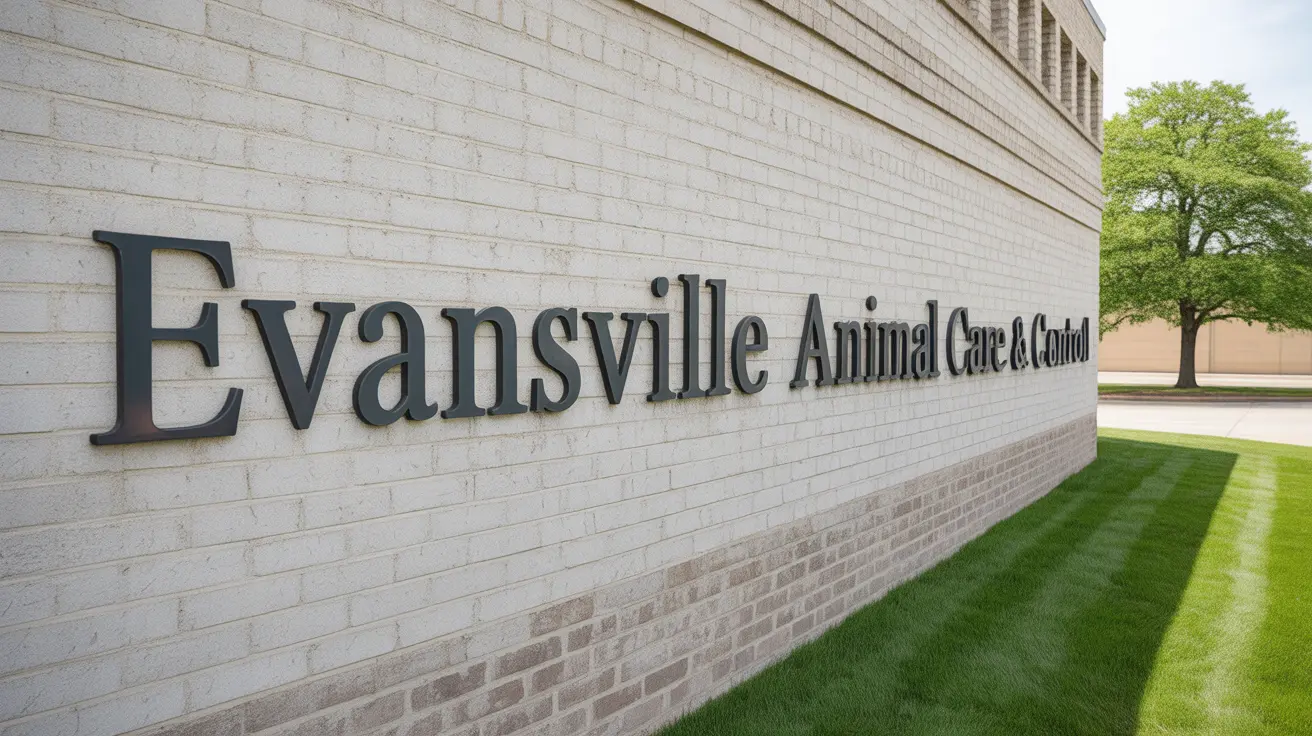
A shocking Evansville animal hoarding case involving over 50 animals in deplorable conditions has reignited discussions about Indiana's animal cruelty laws and their effectiveness in protecting vulnerable pets. Joshua and Alee Nelson were arrested after authorities responded to a tip and discovered dozens of animals living in poor conditions at their Evansville home, highlighting ongoing concerns about animal neglect enforcement in the state.
The case has prompted officials and neighbors to question whether current animal abuse laws in Indiana provide adequate protection for animals and sufficient consequences for those who neglect or abuse pets. As the couple was released after their arrest, the incident underscores the complex legal landscape surrounding animal welfare cases in the Hoosier State.
Details of the Vanderburgh County Animal Rescue
Officers were dispatched to the Evansville residence following a tip from concerned community members. Upon arrival, authorities discovered more than 50 animals living in conditions deemed unsuitable for proper animal care. The discovery led to the immediate arrest of homeowners Joshua and Alee Nelson on animal neglect charges.
The rescue operation involved multiple agencies working together to safely remove the animals from the property and ensure they received proper veterinary care. Such large-scale animal hoarding situations typically require coordinated efforts between animal control, law enforcement, and local shelters to manage the complex logistics of caring for numerous animals simultaneously.
Understanding Animal Hoarding Signs and Psychology
Animal hoarding cases like this Evansville incident often involve individuals who begin with good intentions but become overwhelmed by the number of animals in their care. Common animal hoarding signs include:
- An excessive number of animals in a single location
- Strong odors emanating from the property
- Animals appearing malnourished or in poor health
- Neglected property maintenance and sanitation
- Isolation from neighbors and community
The psychology behind animal hoarding is complex, often involving mental health challenges that make it difficult for individuals to recognize when they can no longer adequately care for their animals. Professional intervention and support services are typically necessary to address both the immediate animal welfare concerns and the underlying issues that led to the situation.
Current Indiana Animal Cruelty Laws Under Scrutiny
The release of Joshua and Alee Nelson following their arrest has brought attention to Indiana's animal protection laws and whether they provide sufficient deterrence for animal neglect cases. Under IC 35-46-3, Indiana's animal cruelty statute outlines various levels of charges depending on the severity of the offense and the defendant's criminal history.
Critics argue that current penalties may not adequately reflect the serious nature of animal abuse and neglect cases, particularly when they involve large numbers of animals. The discussion around strengthening Indiana animal abuse penalties has gained momentum as communities seek more effective ways to protect animals and hold offenders accountable.
Reporting Animal Neglect in Indiana Communities
Community members play a crucial role in identifying and reporting suspected animal neglect or abuse cases. In Vanderburgh County and throughout Indiana, residents who suspect animal mistreatment should contact local animal control services or law enforcement agencies promptly.
Early intervention can prevent situations from escalating to the level seen in this Evansville case, where dozens of animals required rescue. Pet owners and community members should remain vigilant for signs of animal distress and be prepared to take action when necessary to protect vulnerable animals.
The Path Forward for Animal Protection
This Evansville animal hoarding case serves as a reminder of the ongoing challenges in animal welfare enforcement and the need for comprehensive approaches to prevention, intervention, and prosecution. Effective animal protection requires not only strong legal frameworks but also community awareness, mental health resources, and support systems for both animals and their caregivers.
Frequently Asked Questions
What happened in the Evansville Indiana animal hoarding case with Joshua and Alee Nelson?
Joshua and Alee Nelson were arrested after authorities responded to a tip and discovered over 50 animals in poor living conditions at their Evansville home. The couple was subsequently released, prompting discussions about the adequacy of current animal abuse laws in Indiana.
What are the current penalties for animal neglect and cruelty under Indiana law?
Indiana's animal cruelty laws under IC 35-46-3 provide various penalty levels depending on the severity of the offense. However, critics argue that current penalties may not adequately deter animal abuse or reflect the serious nature of neglect cases involving multiple animals.
How can I report suspected animal neglect or hoarding in Indiana?
Suspected animal neglect or hoarding should be reported to local animal control services or law enforcement agencies immediately. Early reporting can help prevent situations from escalating and ensure animals receive necessary care and protection.
The Evansville case serves as a stark reminder that protecting animals requires vigilant communities, effective laws, and coordinated responses from multiple agencies. As discussions continue about strengthening animal protection measures, pet owners and community members must remain committed to reporting suspected abuse and supporting comprehensive animal welfare initiatives.




