
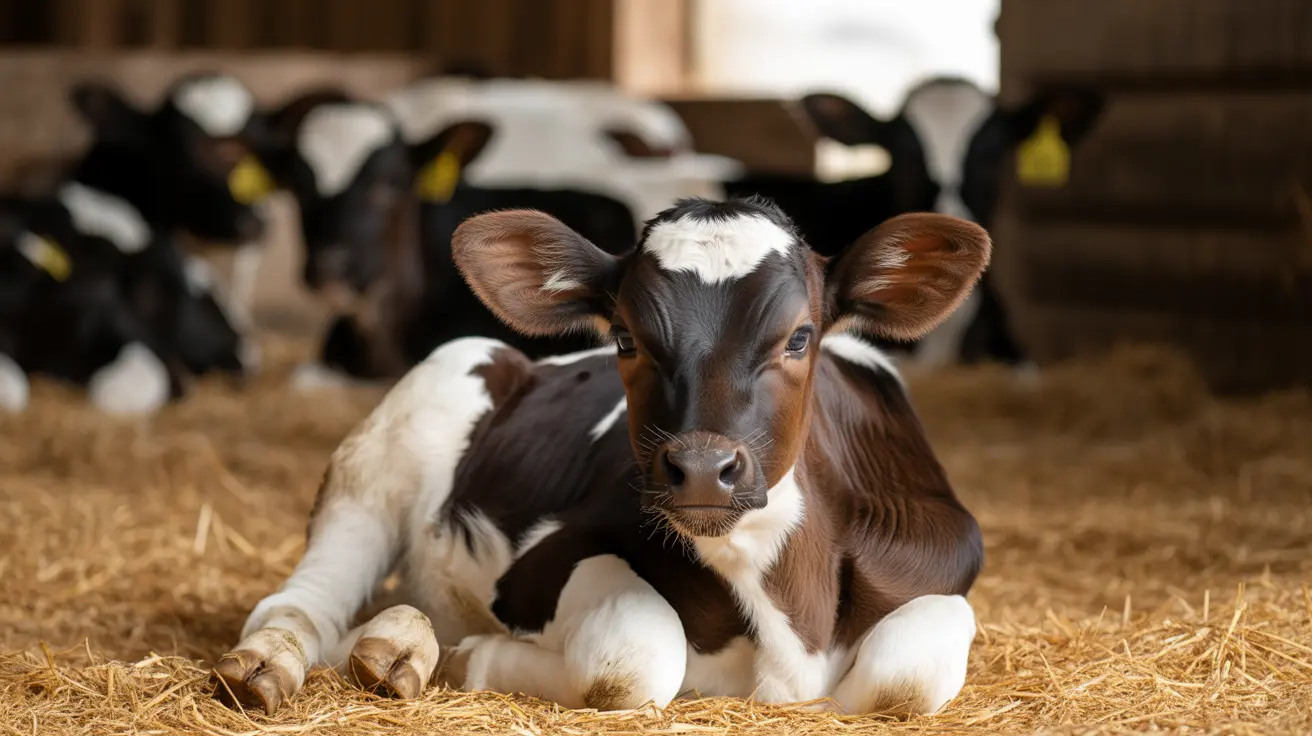
A devastating calf truck accident in France has brought renewed attention to the dangers facing young animals during live transport operations. More than 100 calves died when a livestock truck carrying over 300 animals overturned on a highway in northern France, marking another tragic incident in the ongoing debate over animal welfare during transportation.
This heartbreaking event underscores the vulnerability of young animals during transport and raises important questions about current safety protocols for livestock shipping. For pet owners and animal advocates alike, this incident serves as a stark reminder of the challenges facing animal welfare in commercial transport operations.
Understanding Live Animal Transport Risks
The France livestock accident highlights several critical factors that make live animal transport inherently dangerous. Young calves are particularly vulnerable during shipping due to their size, stress levels, and inability to brace themselves during sudden movements or accidents.
Transport trucks carrying hundreds of animals face unique challenges compared to standard cargo vehicles. The weight distribution changes as animals move within the trailer, potentially affecting vehicle stability. Weather conditions, road quality, and driver experience all play crucial roles in maintaining safe transport conditions.
Animal welfare advocates have long pointed to overcrowding as a significant risk factor in these operations. When trucks carry maximum legal loads, animals have limited space to maintain balance during turns or sudden stops, increasing injury risks even in minor incidents.
EU Calf Transport Regulations Under Scrutiny
Current European Union regulations govern the transport of young calves, including requirements for space allocation, journey duration limits, and rest periods. However, critics argue these standards may not adequately address the unique vulnerabilities of very young animals during long-distance transport.
The dairy farm transport system often involves moving male calves shortly after birth, as they are considered surplus in dairy operations. These animals may travel hundreds of miles to veal facilities or other destinations, creating multiple opportunities for accidents and stress-related health issues.
Industry standards require specific ventilation, food and water access, and space requirements per animal. However, enforcement and monitoring of these standards can vary significantly between regions and transport companies.
Preventable Calf Transport Deaths and Safety Measures
Many animal welfare experts believe that preventable calf transport deaths could be significantly reduced through improved safety protocols and alternative approaches to livestock movement. Enhanced driver training, better vehicle maintenance, and stricter loading procedures represent potential improvements to current practices.
Technology solutions, including GPS monitoring, temperature sensors, and vehicle stability systems, could provide early warning systems for dangerous conditions. Some transport companies have begun implementing these technologies, though adoption across the industry remains inconsistent.
Route planning also plays a crucial role in transport safety. Avoiding high-traffic areas during peak hours, selecting roads with better maintenance records, and accounting for weather conditions can reduce accident risks for livestock carriers.
Animal Welfare Transport Issues and Industry Response
The livestock transport industry has faced increasing pressure to address animal welfare transport issues following high-profile accidents. Some companies have voluntarily implemented stricter standards than required by law, including reduced capacity limits and enhanced vehicle safety features.
Consumer awareness has also driven changes in some markets, with restaurants and retailers seeking suppliers who demonstrate higher welfare standards in their transport operations. This market pressure has encouraged some producers to invest in improved transport conditions.
Alternative approaches, such as mobile processing units and regional slaughter facilities, could potentially reduce the need for long-distance transport of live animals, though implementation faces economic and regulatory challenges.
Frequently Asked Questions
What caused the truck accident that killed over 100 calves in northern France in 2026?
While specific details about the cause of this particular accident are still being investigated, livestock truck overturns typically result from factors such as sudden steering corrections, adverse weather conditions, mechanical failures, or challenges related to the movement of animals within the trailer affecting vehicle stability.
Why are young dairy calves so vulnerable during livestock transport crashes?
Young calves are particularly vulnerable during transport due to their small size, limited ability to brace themselves during sudden movements, and high stress levels during shipping. Their developing immune systems and physical fragility make them more susceptible to injury and death in accident situations compared to older, larger animals.
What reforms are animal welfare groups proposing after recent calf transport disasters?
Animal welfare advocates typically propose reforms including reduced transport distances, stricter capacity limits, enhanced vehicle safety requirements, improved driver training standards, and increased use of local processing facilities to minimize the need for long-distance live animal transport. Some groups also advocate for stronger enforcement of existing regulations.
Moving Forward: Lessons for Animal Care
This tragic incident in northern France serves as a sobering reminder of the risks inherent in live animal transport operations. For pet owners and animal advocates, it highlights the importance of supporting companies and organizations that prioritize animal welfare in their operations.
While most pet owners will never directly encounter livestock transport issues, understanding these challenges can inform our broader approach to animal welfare and help us make more conscious choices about the products we purchase and the causes we support.




