
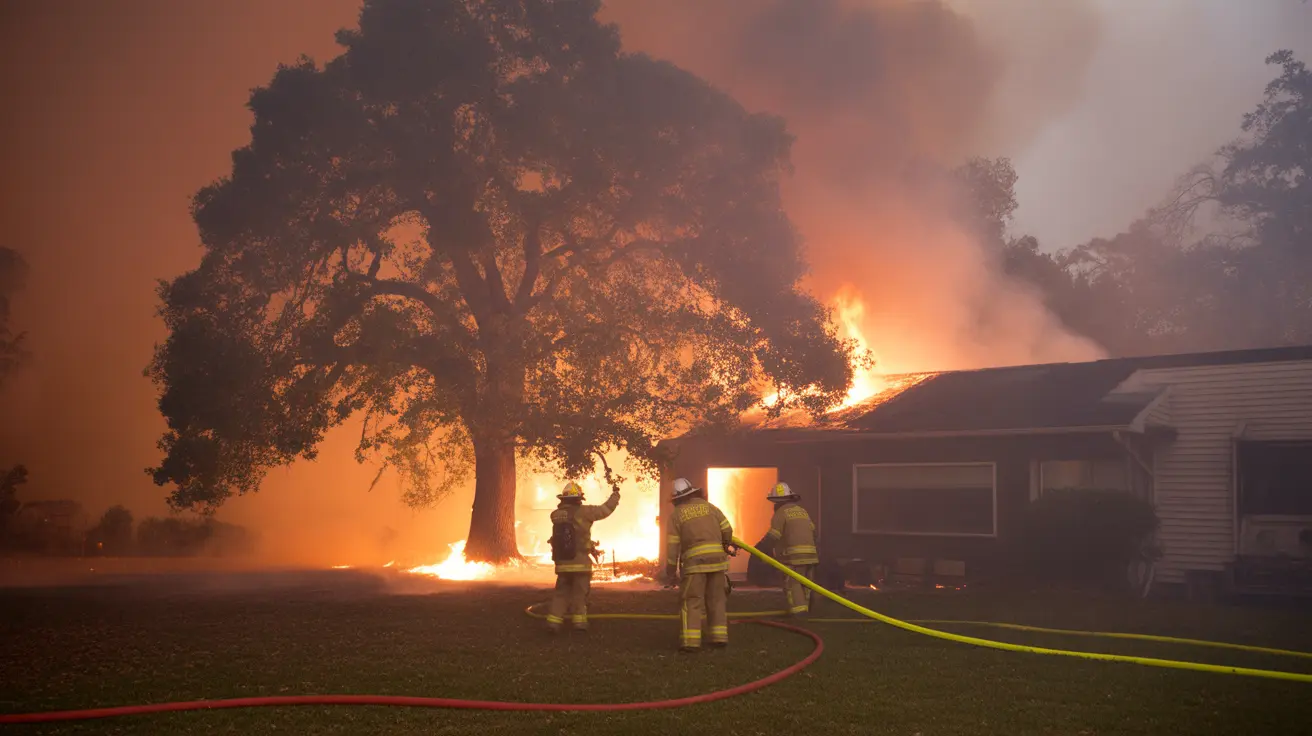
A devastating house fire in Richland, Washington has left one resident and four beloved pets without a home, highlighting the critical importance of fire safety planning for families with animals. The incident occurred at 1320 Sanford Avenue, where a resident's three dogs and one cat were all displaced along with their owner when flames engulfed their residence.
This tragic event serves as a stark reminder that house fire pets safety planning is essential for every pet-owning household. While all family members and animals escaped safely, the incident underscores how quickly fires can spread and how vulnerable our four-legged family members can be during emergency situations.
Understanding Pet Vulnerability During House Fires
When house fires occur, pets displaced by fire face unique challenges that make them particularly vulnerable. Unlike humans, dogs and cats cannot easily understand escape routes or follow complex evacuation procedures. Their natural instincts often lead them to hide in familiar places like under beds or in closets, making rescue efforts more difficult.
The Richland incident demonstrates how quickly families can lose everything, including the safe environment their pets depend on. Fire safety for dogs and other pets requires proactive planning rather than hoping for the best during an emergency.
Creating an Effective House Fire Escape Plan Pets Can Follow
Developing a comprehensive evacuation strategy is crucial for every pet owner. Your plan should include designated escape routes that accommodate your pets' mobility and behavior patterns. Keep leashes, carriers, and pet transportation equipment near exit points so they're easily accessible during an emergency.
Practice your evacuation plan regularly with your pets so they become familiar with the routine. This preparation can save precious seconds when every moment counts. Consider installing pet doors that allow animals to escape independently if you're not home during a fire.
Essential Fire Prevention Tips for Pet Homes
Prevention remains the best protection for both human and animal family members. Install and maintain smoke alarms for pet homes throughout your residence, with special attention to areas where pets spend the most time. Test batteries monthly and replace units according to manufacturer guidelines.
Pet fire prevention tips include securing electrical cords that curious animals might chew, using flameless candles instead of open flames, and ensuring heating equipment is properly maintained and protected from pet interference. Never leave cooking food unattended, especially when pets are nearby.
Resources for Displaced Pets and Families
When disasters strike, organizations like the Red Cross pet fire aid programs can provide temporary shelter and essential supplies for displaced animals. These services recognize that pets are family members who need care during crisis situations.
Local veterinary clinics often offer emergency services for animals affected by fires, including treatment for smoke inhalation and stress-related conditions. Contact your veterinarian immediately if your pets have been exposed to smoke or fire.
Understanding Pet Smoke Inhalation Risks
Animals in house fires face serious health risks from smoke exposure. Pet smoke inhalation risks include respiratory distress, carbon monoxide poisoning, and thermal injuries. Even pets who appear unharmed may have inhaled dangerous toxins that require professional medical evaluation.
Watch for signs of respiratory distress including excessive panting, difficulty breathing, or unusual lethargy following any fire exposure. Prompt veterinary attention can prevent serious complications and ensure your pet's long-term health.
Community Response and Support Systems
The Tri-Cities pet fire resources include animal shelters, veterinary emergency services, and community organizations that assist families during disasters. These support networks understand that losing a home affects every family member, including beloved pets.
According to NFPA pet fire stats, thousands of pets are affected by home fires annually across the United States. Having a support network identified before an emergency occurs can significantly reduce stress and ensure faster assistance when needed.
Frequently Asked Questions
What should I do if my house catches fire and I have pets inside?
If safely possible, grab your pets using pre-positioned leashes or carriers near exits. If you cannot reach them safely, inform firefighters immediately about their location. Never re-enter a burning building for pets - professional rescuers have the training and equipment to attempt safe animal recovery.
How can I create a fire escape plan that includes my dogs and cat?
Identify two escape routes from each room, practice with your pets regularly, and keep leashes and carriers near exits. Assign family members specific pets to assist, and establish a meeting point outside. Consider pet alert window decals to inform firefighters about animals inside.
Why are pets like dogs and cats at high risk during house fires?
Pets often hide when frightened, making them difficult to locate quickly. They cannot operate door handles or navigate smoke-filled environments effectively. Additionally, their lower breathing height exposes them to higher concentrations of dangerous gases and smoke.
The Richland house fire serves as a powerful reminder that our pets depend entirely on us for their safety. By creating comprehensive emergency plans, maintaining proper fire prevention measures, and knowing available resources, we can better protect our animal family members from these devastating events.




