
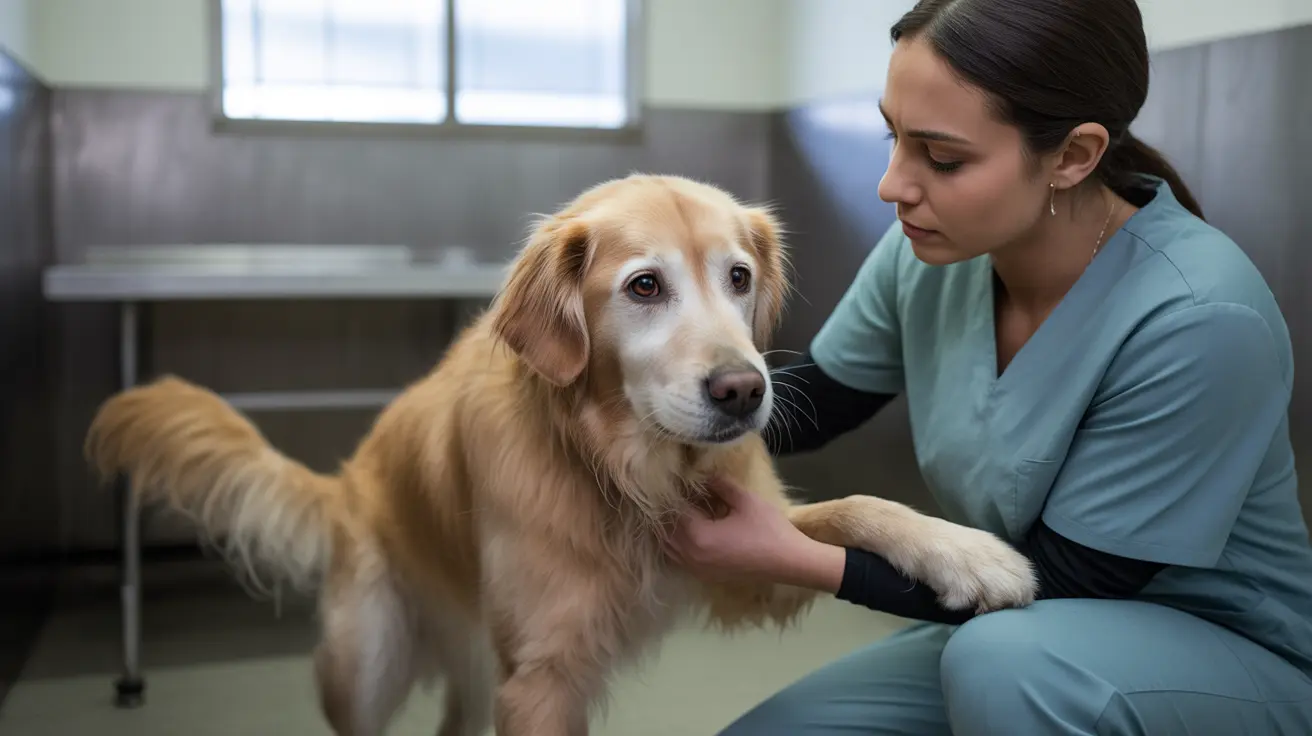
A 26-year-old dog kennel owner is facing serious animal cruelty charges after police investigated a disturbing video that circulated online showing alleged mistreatment of dogs in her care. This case highlights growing concerns about dog kennel abuse and underscores the importance of proper oversight in pet care facilities across Massachusetts and New Hampshire.
The incident serves as a stark reminder for pet owners about the critical need to thoroughly research boarding facilities before entrusting their beloved companions to professional care. As more pet parents rely on kennels and daycare services, understanding warning signs of potential abuse becomes essential for protecting our four-legged family members.
Animal Cruelty at Kennels: Understanding the Legal Framework
Animal cruelty at kennels represents a serious violation of both state laws and professional standards that govern pet care facilities. In Massachusetts, facilities must comply with strict licensing requirements, while New Hampshire maintains its own set of regulations for kennel operations.
Professional boarding facilities are expected to provide humane treatment, adequate food and water, proper shelter, and appropriate veterinary care when needed. When these standards are violated, both civil and criminal penalties can apply, including license revocation and potential jail time for severe cases.
New Hampshire Dog Kennel Laws and Regulations
New Hampshire dog kennel laws require commercial boarding facilities to maintain specific standards for animal welfare. Licensed kennels must undergo regular inspections to ensure compliance with health, safety, and humane treatment requirements.
The state's regulations cover everything from enclosure sizes and cleanliness standards to staff training requirements and emergency protocols. Violations can result in immediate closure orders, particularly when animal welfare is at immediate risk.
Massachusetts Kennel Licensing Requirements
Massachusetts kennel licensing involves a comprehensive application process that includes facility inspections and background checks. Under state law, commercial boarding facilities must demonstrate their ability to provide appropriate care before receiving authorization to operate.
Recent legislative changes, including provisions related to animal welfare enforcement, have strengthened oversight mechanisms and increased penalties for violations. These updates reflect growing recognition of the need for robust protection of animals in commercial care settings.
Choosing a Safe Dog Kennel: Red Flags to Avoid
When selecting a safe dog boarding facility, pet owners should conduct thorough research and ask detailed questions about operations and protocols. Warning signs of potential problems include reluctance to provide facility tours, lack of proper licensing documentation, or staff who seem unprepared to answer basic questions about their procedures.
Reputable facilities welcome questions about their care standards, staff training, emergency protocols, and inspection records. They should also provide clear contracts outlining services, policies, and liability provisions.
Social Media Animal Abuse Investigations
The role of social media animal abuse investigations has become increasingly important in exposing misconduct at pet care facilities. Videos and images shared online can provide crucial evidence for law enforcement agencies investigating potential violations.
However, pet owners should be aware that while social media can be a valuable tool for raising awareness, proper reporting through official channels remains essential for ensuring appropriate legal action.
Frequently Asked Questions
How can I tell if a dog kennel or boarding facility is safe and not abusing the animals in its care?
Look for current licensing, clean facilities with adequate space, trained staff who can answer questions about care protocols, and positive references from other pet owners. Request a facility tour and observe how staff interact with animals. Reputable kennels should provide detailed contracts and emergency contact procedures.
What should I look for or ask before leaving my dog at a kennel in Massachusetts or New Hampshire?
Verify current licensing with state authorities, ask about staff-to-animal ratios, vaccination requirements, exercise schedules, and emergency veterinary protocols. Inquire about feeding schedules, medication administration capabilities, and what happens if your pet becomes ill or injured while in their care.
If I see a video online showing possible dog abuse at a kennel, how do I report it and who should I contact?
Contact local law enforcement immediately, followed by your state's animal control agency or department of agriculture (which typically oversees kennel licensing). Document the evidence by saving the video and any related information. Many states also have animal cruelty hotlines for reporting suspected abuse.
Protecting Our Pets Through Vigilance
This case demonstrates the vital importance of maintaining high standards in commercial pet care and the role that public awareness plays in protecting animals from mistreatment. Pet owners must remain vigilant when selecting boarding facilities and should never hesitate to report suspected abuse.
By staying informed about regulations, asking the right questions, and supporting facilities that prioritize animal welfare, we can help ensure that all pets receive the safe, compassionate care they deserve while away from home.




