
Understanding Dogfighting and Criminal Networks
Dogfighting represents one of the most brutal forms of animal abuse, where dogs 6particularly pit bull types and American Bulldog mixes are forced to fight for entertainment and gambling. These operations rarely exist in isolation, frequently serving as meeting points for other illegal activities including drug distribution and weapons trafficking.
Law enforcement agencies have documented consistent patterns linking animal fighting networks to organized crime. The clandestine nature of these operations, combined with the large cash transactions involved in gambling, creates ideal conditions for criminals to conduct multiple types of illegal business simultaneously.
The Role of American Pit Bull Terriers and Mixes in Fighting Operations
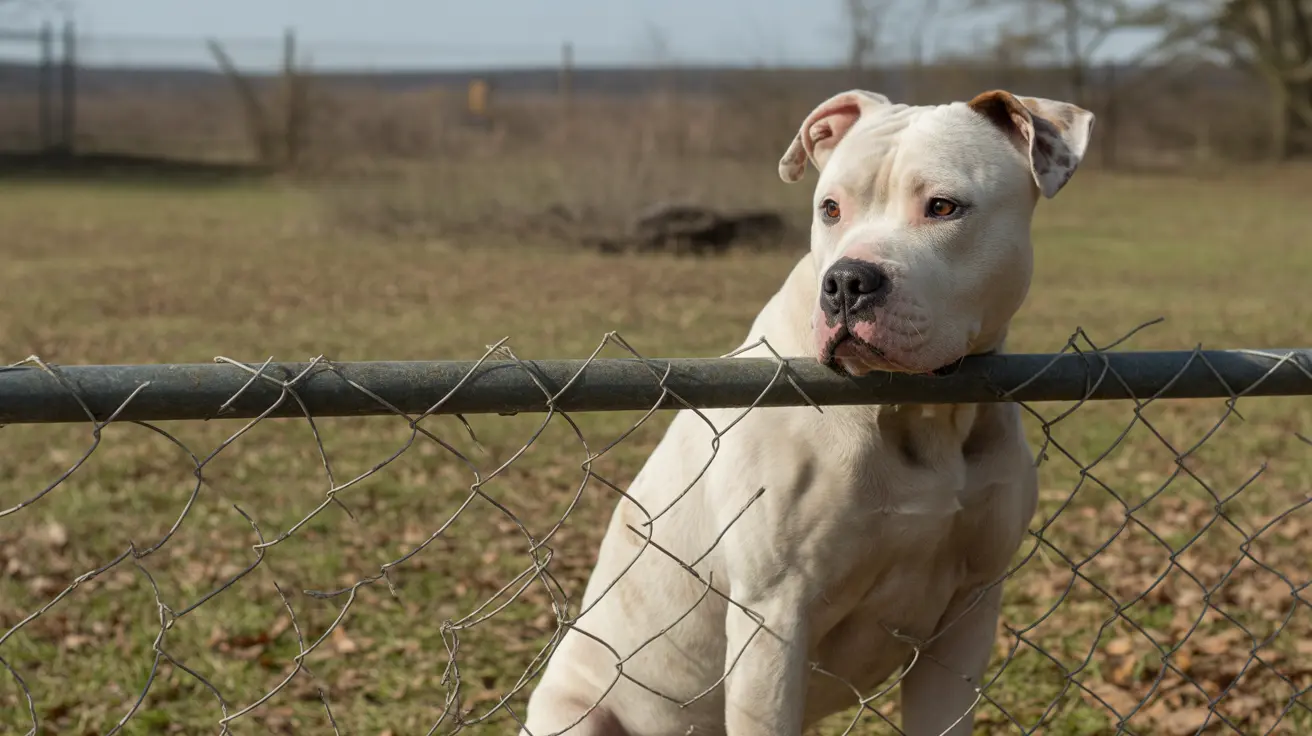
While American Pit Bull Terriers, American Bulldogs, and their mixes are commonly exploited in fighting rings, it's crucial to understand that these breeds are not inherently aggressive. Dogs used in fighting operations undergo systematic abuse and training designed to enhance aggression toward other animals.
These same breeds, when raised in loving homes with proper socialization, make loyal and gentle family companions. The tragic irony is that the very traits that make these dogs devoted to their families 6loyalty, athleticism, and eagerness to please are perverted by criminal operators for violent purposes.
Recognizing and Reporting Suspected Dogfighting Activity
Citizens play a vital role in combating dogfighting through awareness and reporting. Warning signs include properties with multiple dogs kept in poor conditions, unusual amounts of traffic at odd hours, dogs showing signs of fighting injuries, and the presence of training equipment like treadmills, chains, or fighting pits.
If you suspect dogfighting activity, contact local law enforcement, animal control, or organizations like the ASPCA immediately. Never attempt to investigate suspected operations yourself, as these environments often involve dangerous individuals and situations.
Federal Dogfighting Laws and Enforcement
The Animal Welfare Act makes dogfighting a federal felony, with penalties including up to five years in prison and substantial fines. All 50 states have also enacted laws making dogfighting illegal, though penalties vary significantly by jurisdiction.
Federal involvement typically occurs when operations cross state lines, involve interstate commerce, or connect to other federal crimes. The Department of Justice has made animal fighting prosecutions a priority, recognizing the links to broader criminal enterprises.
Rehabilitation and Rescue of Fighting Dogs
When authorities raid dogfighting operations, rescued animals face uncertain futures. While some dogs severely traumatized by fighting may require specialized long-term care or humane euthanasia, many can be successfully rehabilitated with proper veterinary care, behavioral training, and patient adopters.
Specialized rescue programs work with law enforcement to evaluate seized animals, providing medical treatment and behavioral assessment. Success stories demonstrate that even dogs from fighting backgrounds can become loving pets when given proper care and training.
Community Impact and Prevention
Beyond animal suffering, dogfighting operations destabilize communities through associated criminal activity. Property values decline, residents feel unsafe, and the presence of dangerous individuals and illegal weapons creates ongoing security concerns.
Prevention efforts focus on education, enforcement, and community engagement. Animal welfare organizations work with schools and community groups to teach about responsible pet ownership and the realities of animal fighting, while law enforcement agencies develop specialized task forces to combat these operations.
Frequently Asked Questions
What is dogfighting and why is it linked to drugs and violent crime in the US?
Dogfighting involves forcing dogs to fight each other for entertainment and gambling purposes. These operations often coincide with drug trafficking and weapons crimes because they operate in the criminal underworld, involve large cash transactions, and attract individuals already engaged in illegal activities. The secretive nature of fighting venues makes them convenient meeting places for various criminal enterprises.
How can I report a suspected dogfighting ring like the recent Louisville Kentucky bust?
Contact local law enforcement, animal control, or call the ASPCA's tip line immediately if you suspect dogfighting activity. Provide specific details about locations, times of suspicious activity, and any evidence you've observed, but never attempt to investigate yourself. Anonymous reporting options are typically available to protect your safety.
Are American Pit Bull Terriers and mixes safe as pets if rescued from fighting operations?
Many dogs rescued from fighting operations can be successfully rehabilitated and become loving family pets with proper veterinary care, behavioral training, and patient adopters. However, each animal requires individual assessment by qualified professionals to determine their suitability for adoption and any special care requirements they may need.
Moving Forward Together
The Louisville dogfighting arrest serves as both a victory for animal welfare and a reminder of ongoing challenges. By staying informed about these issues and supporting enforcement efforts, pet lovers and community members can help protect vulnerable animals while making neighborhoods safer for everyone.
Every report of suspected animal fighting brings authorities closer to dismantling these cruel operations and giving exploited animals a chance at the loving homes they deserve.




