Working with critically endangered species is both a tremendous responsibility and an extraordinary privilege, according to Rhiannon Wolff, a dedicated hoofstock keeper at Marwell Zoo. Her daily commitment to caring for some of the world's most vulnerable hoofed animals highlights the vital role that modern zoos play in global conservation efforts.
For animal lovers and conservation enthusiasts, understanding the behind-the-scenes work of dedicated keepers like Wolff offers valuable insight into how zoos contribute to species preservation. Her experience with Przewalski's horses, mountain bongo calves, and other endangered hoofstock demonstrates the critical importance of zoo breeding programs in maintaining genetic diversity and supporting reintroduction efforts.
Daily Life of a Hoofstock Keeper at Marwell Zoo
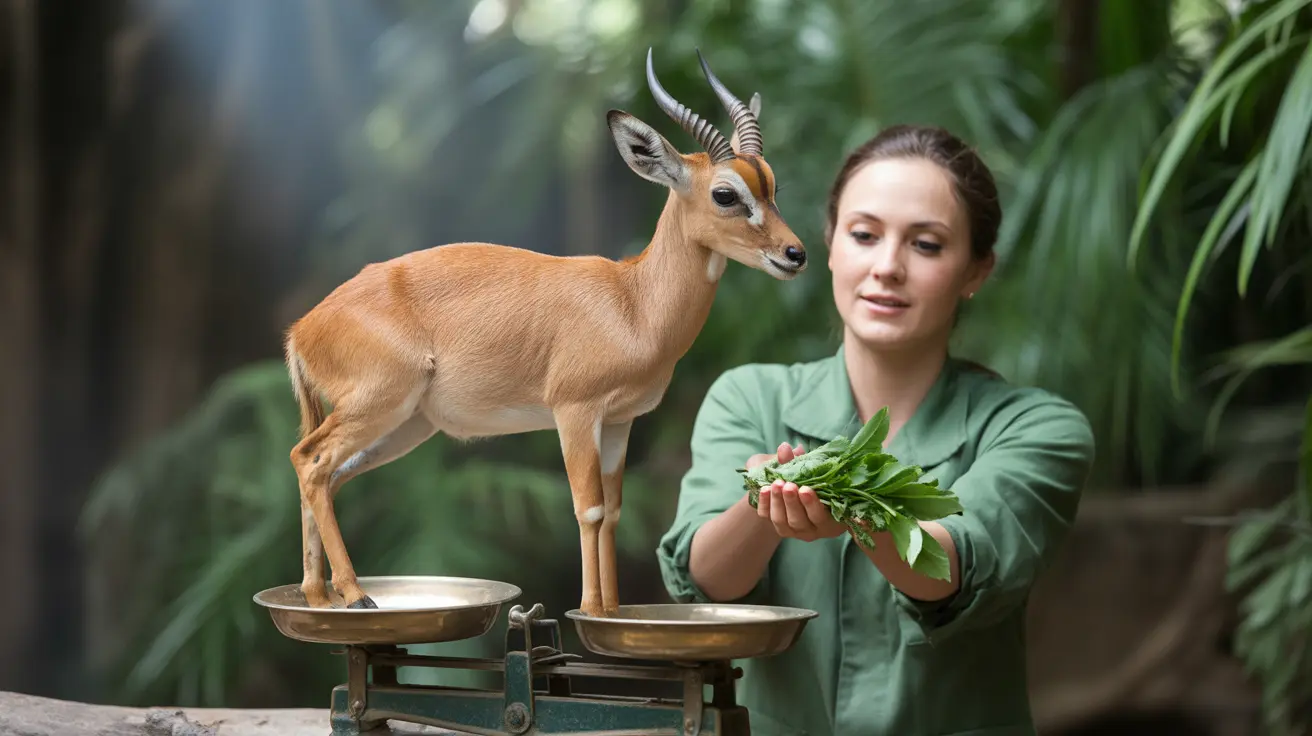
Rhiannon Wolff's role as a hoofstock keeper encompasses far more than feeding and cleaning enclosures. Her responsibilities include monitoring animal health, maintaining detailed records, participating in breeding programs, and educating visitors about conservation challenges facing endangered species worldwide.
The daily routine of caring for hoofed animals requires specialized knowledge of each species' unique needs, behaviors, and dietary requirements. From giraffes and zebras to critically endangered mountain bongos, each animal presents distinct challenges that demand expertise and dedication.
Zoo Conservation Programs Making a Difference
Marwell Zoo's commitment to conservation extends beyond simply housing animals. The facility actively participates in international breeding programs designed to maintain genetic diversity and support potential reintroduction efforts. These programs are essential for species survival, particularly for animals whose wild populations have declined dramatically.
Modern zoos serve as genetic reservoirs, carefully managing breeding to ensure healthy populations that could one day be returned to their natural habitats. This work requires meticulous record-keeping, genetic analysis, and coordination with other facilities worldwide.
Przewalski's Horse Reintroduction Success Story
Among the most remarkable conservation achievements involving hoofstock is the success story of Przewalski's horses. Once extinct in the wild, these hardy horses have been successfully reintroduced to their native Mongolia through careful breeding programs at facilities like Marwell Zoo.
The Przewalski's horse reintroduction program demonstrates how dedicated zoo professionals can literally bring species back from the brink of extinction. These horses, with their distinctive dun coloring and dark manes, represent hope for other critically endangered species currently in zoo care.
Working with Mountain Bongo Calves and Other Rarities
Mountain bongo calves represent one of Africa's most endangered antelope species, with fewer than 100 individuals remaining in the wild. The successful breeding and care of these beautiful animals in zoo settings provides crucial genetic backup for potential future reintroduction programs.
Banteng calves, another critically endangered species, require specialized care and attention from experienced keepers. These Southeast Asian cattle face significant pressure from habitat loss and hunting in their native range, making zoo populations increasingly important for species preservation.
The Broader Impact of Zoo Animal Keepers
Animal keepers like Rhiannon Wolff serve as ambassadors for wildlife conservation, sharing their passion and knowledge with zoo visitors. Their work extends beyond animal care to include educational outreach, research support, and public engagement activities that raise awareness about endangered species.
The emotional connection between keepers and their animals often translates into powerful conservation messaging for the public. When visitors see the dedication and expertise of professional animal care staff, they gain deeper appreciation for wildlife conservation challenges and opportunities.
Frequently Asked Questions
- What does a hoofstock keeper do at Marwell Zoo?
A hoofstock keeper like Rhiannon Wolff manages the daily care of endangered hoofed animals, including feeding, health monitoring, breeding program participation, record-keeping, and visitor education. They work with species ranging from giraffes and zebras to critically endangered mountain bongos and Przewalski's horses.
- Why are Przewalski's horses considered a conservation success at Marwell Zoo?
Przewalski's horses represent one of conservation's greatest success stories because they were successfully bred in captivity after becoming extinct in the wild, then reintroduced to their native Mongolia. Facilities like Marwell Zoo played crucial roles in maintaining genetic diversity and supporting reintroduction efforts.
- How does Marwell Zoo contribute to breeding programs for critically endangered species such as mountain bongos?
Marwell Zoo participates in international breeding programs that carefully manage genetic diversity for endangered species like mountain bongos. These programs coordinate with other facilities worldwide to maintain healthy populations that could potentially support future reintroduction efforts.
Conclusion
The dedication of hoofstock keepers like Rhiannon Wolff exemplifies the modern zoo's evolution from entertainment venues to serious conservation institutions. Their daily work with endangered species provides hope for animals facing extinction while educating the public about wildlife conservation challenges.
For pet owners and animal lovers, understanding the vital work of zoo professionals offers inspiration and insight into the broader world of animal care and conservation. The success stories emerging from facilities like Marwell Zoo demonstrate that dedicated individuals can make a real difference in protecting our planet's most vulnerable species.