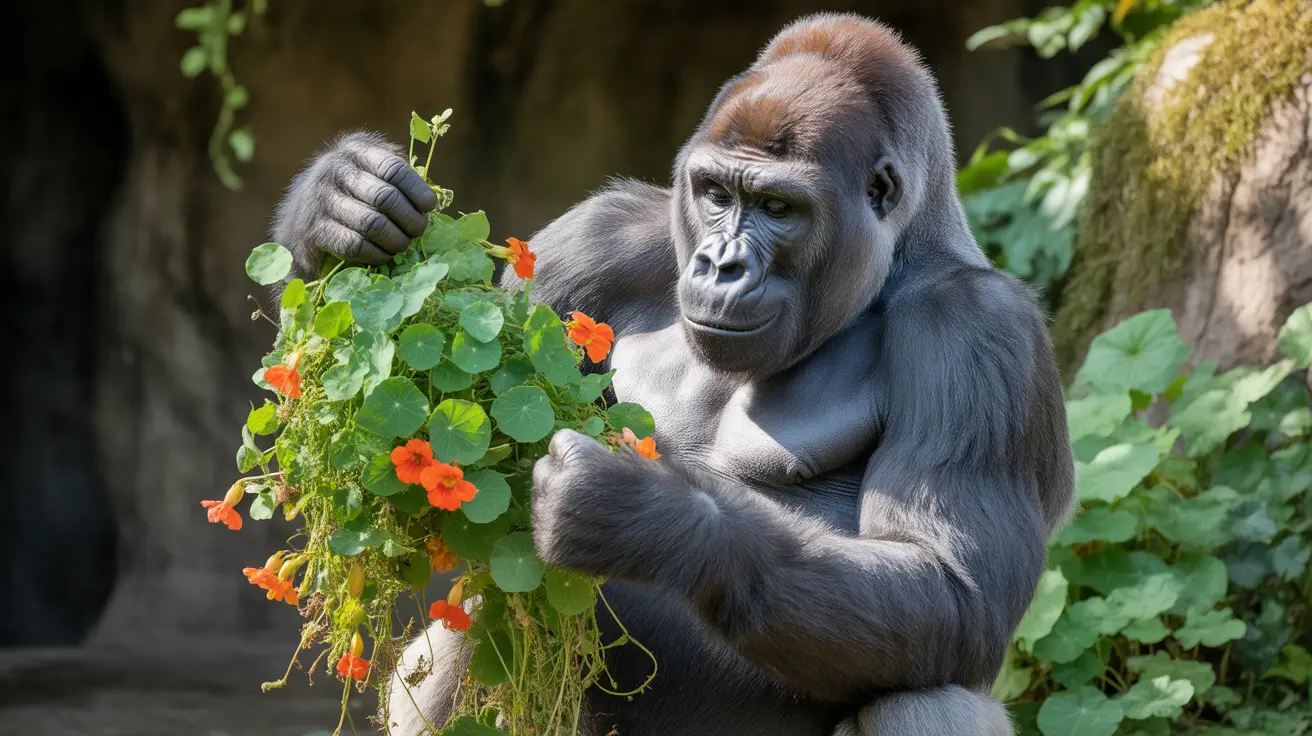
A heartwarming collaboration between Boston's Franklin Park Zoo and the renowned Isabella Stewart Gardner Museum has created an unexpected viral moment, showcasing the benefits of nasturtiums for zoo animals. Pablo, a charismatic gorilla at Franklin Park Zoo, recently captured attention as he enthusiastically swung nasturtium vines donated from the museum's historic gardens, demonstrating how sustainable partnerships can enhance animal welfare while reducing waste.
This unique donation program highlights the growing trend of zoo animal enrichment plants, where cultural institutions and zoos work together to provide safe, edible vegetation that benefits both animal wellbeing and environmental sustainability. The sight of Pablo gorilla Franklin Park Zoo enjoying his floral treats has resonated with pet owners and animal lovers, sparking conversations about proper nutrition and enrichment for captive animals.
Isabella Stewart Gardner Museum Donation Program
The Isabella Stewart Gardner Museum donation represents an innovative approach to sustainable zoo forage nasturtiums. Rather than composting garden trimmings, the museum now provides fresh nasturtium vines and flowers directly to Franklin Park Zoo, creating a win-win situation that supports both institutions' missions.
This partnership exemplifies how cultural institutions can contribute to animal welfare while maintaining their beautiful gardens. The nasturtium flowers and vines that would typically be pruned and discarded now serve as nutritious treats and enrichment activities for various zoo species, including primates, goats, and other herbivorous animals.
Nasturtiums Animal Diet Benefits
Nasturtiums offer several nutritional advantages as safe plants for goats zoo animals and primates alike. These colorful flowers are rich in vitamin C, which supports immune system function, and contain natural antioxidants that contribute to overall health. The peppery flavor of nasturtiums also provides sensory stimulation, encouraging natural foraging behaviors that keep animals mentally engaged.
For gorillas like Pablo, nasturtium vines for primates serve multiple purposes beyond nutrition. The act of manipulating and consuming these plants mimics behaviors they would exhibit in the wild, promoting psychological wellbeing and reducing stress-related behaviors commonly seen in captivity.
Zoo Sustainability Garden Waste Solutions
The viral gorilla Pablo vines moment has brought attention to broader initiatives in sustainable zoo management. Many modern zoos are implementing edible landscaping zoos programs, where portions of their grounds are dedicated to growing plants that can safely supplement animal diets.
These programs reduce food costs, minimize waste, and provide fresh, seasonal variety in animal nutrition. Nasturtiums are particularly valuable because they're easy to grow, highly nutritious, and safe for multiple species, making them an ideal choice for sustainable zoo operations.
Boston Zoo Museum Plant Donation Impact
The Boston zoo museum plant donation program has inspired other institutions to explore similar partnerships. Museums, botanical gardens, and even private gardeners are now considering how their plant waste could benefit local zoo animals, creating community-wide sustainability initiatives.
This collaboration demonstrates how creative partnerships can address multiple challenges simultaneously: reducing organic waste, enhancing animal welfare, and building community connections between cultural and educational institutions.
Frequently Asked Questions
Can I safely feed nasturtiums to my pet gorilla or other primates at home?
Private ownership of primates is illegal in most jurisdictions and strongly discouraged by animal welfare organizations. For legal exotic pets that may consume flowers, always consult with an exotic veterinarian before introducing new foods. Nasturtiums are generally safe for many herbivorous animals, but proper dosage and preparation are crucial.
Are nasturtium flowers and vines safe for goats, sheep, or giraffes as a treat?
Yes, nasturtiums are considered safe for most herbivorous animals including goats and sheep when offered in moderation. However, any new food should be introduced gradually and under veterinary supervision. For giraffes and other exotic species, zoo nutritionists carefully evaluate all dietary additions to ensure they meet specific nutritional requirements.
How do zoos use edible plants like nasturtiums for animal enrichment and welfare?
Zoos incorporate edible plants into enrichment programs by hiding them in enclosures to encourage foraging, hanging them at various heights to promote natural climbing behaviors, and rotating different varieties to provide sensory variety. This approach stimulates natural behaviors while providing nutritional benefits, contributing to both physical and mental health.
Conclusion
Pablo's enthusiastic enjoyment of nasturtium vines from the Isabella Stewart Gardner Museum showcases the positive impact that thoughtful partnerships can have on animal welfare. This collaboration between Boston's cultural and zoological institutions demonstrates how sustainable practices can benefit both animals and the environment while creating engaging educational opportunities for the public.
As more institutions explore similar partnerships, we can expect to see increased innovation in zoo animal nutrition and enrichment programs. For pet owners, this story serves as a reminder of the importance of providing varied, species-appropriate nutrition and enrichment activities that stimulate natural behaviors and promote overall wellbeing.