
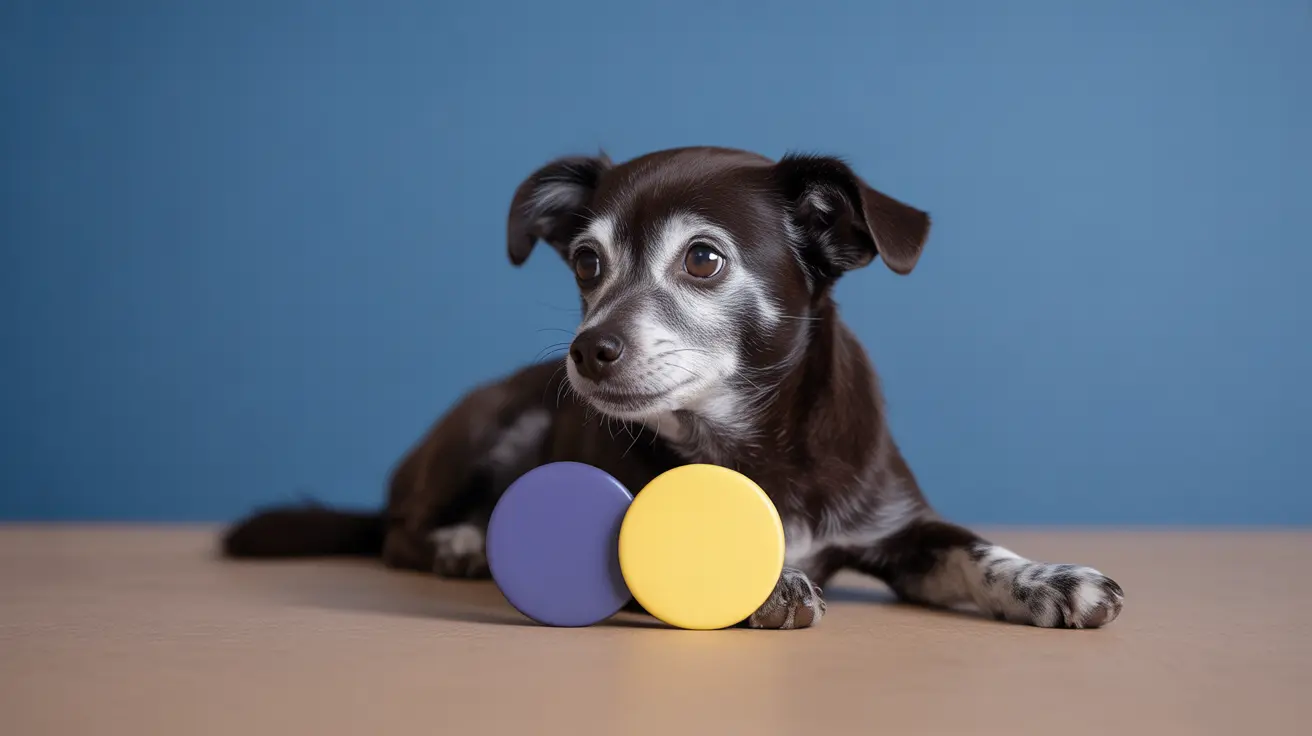
Pet soundboards have taken social media by storm, with countless videos showing dogs and cats pressing buttons to "talk" to their owners. These viral clips feature pets seemingly requesting walks, food, or even expressing affection through pre-recorded words. But behind the heartwarming content lies a fascinating question that researchers are actively investigating: do our four-legged companions truly understand what they're communicating, or are we witnessing elaborate learned behaviors?
UC San Diego professor Federico Rossano is at the forefront of research into this social media phenomenon, studying whether pet talking buttons represent genuine communication or simply well-trained responses. His work explores the cognitive abilities of our pets and their capacity for meaningful interaction using human language tools.
Understanding How Pet Communication Buttons Work
Dog communication buttons, also known as talking dog buttons, are simple devices that play recorded words when pressed. Popular brands like FluentPet have created comprehensive systems that allow pet owners to set up arrays of buttons representing different concepts like "outside," "food," "play," and "love." The idea is that pets can learn to associate these sounds with their corresponding meanings and use them to communicate their needs and desires.
The process typically involves consistent training where owners demonstrate the connection between pressing a button and receiving the associated outcome. When a dog presses the "outside" button and then goes for a walk, the theory suggests they begin to understand the cause-and-effect relationship.
The Science Behind Soundboard Dog Research
Professor Rossano's research at UC San Diego focuses on pet cognition and whether animals using these devices demonstrate true understanding or merely exhibit conditioned responses. The study examines several key aspects of pet-soundboard interaction, including timing, context, and the pets' responses to human-initiated button presses.
One particularly interesting aspect of the research involves observing how dogs respond to word buttons when pressed by humans versus when they initiate the communication themselves. This distinction helps researchers understand whether pets are making deliberate choices or simply responding to environmental cues.
Do Dogs Understand Soundboards or Just Learn Patterns?
The question of whether pets truly comprehend soundboard communication remains complex. While dogs have demonstrated remarkable abilities to learn associations between sounds and outcomes, distinguishing between genuine understanding and sophisticated pattern recognition proves challenging.
Some indicators suggest deeper comprehension, such as when pets combine multiple buttons in sequence or use buttons in novel contexts. However, skeptics argue that these behaviors could still result from advanced conditioning rather than true linguistic understanding.
Training Your Pet to Use Soundboard Buttons Effectively
For pet owners interested in how to train dog soundboard systems, consistency and patience are essential. Start with one or two buttons representing highly motivating concepts like "food" or "outside." Always follow through when your pet presses a button, reinforcing the connection between the action and outcome.
Gradually introduce new buttons, ensuring your pet has mastered existing ones before adding complexity. Place buttons in logical locations – the "outside" button near the door, for example – to provide additional contextual cues that support learning.
Animal Soundboard Training: Best Practices
Successful animal soundboard training requires understanding your pet's individual learning style and motivation. Some dogs respond better to food rewards, while others are motivated by play or attention. The key is creating positive associations with button use while maintaining realistic expectations about your pet's capabilities.
Remember that not all pets will show interest in soundboard communication, and that's perfectly normal. Each animal has unique strengths and preferences for interaction.
The Emotional Intelligence Question
Perhaps the most intriguing aspect of pet emotional intelligence in soundboard use is whether animals can express complex feelings like love or frustration. While we may never fully understand the internal experiences of our pets, their ability to use communication tools provides valuable insights into their cognitive capabilities and emotional lives.
Frequently Asked Questions
How do dog soundboard buttons work for pet communication?
Dog soundboard buttons are programmable devices that play recorded words when pressed. Pets learn to associate pressing specific buttons with receiving corresponding outcomes, such as pressing "food" and receiving a meal.
Can dogs really understand words like "outside" or "food" on talking buttons?
Research suggests dogs can learn strong associations between button sounds and outcomes, though whether this represents true word comprehension or sophisticated pattern recognition remains under investigation by researchers like Professor Rossano at UC San Diego.
Do pets using soundboards truly express emotions like love, or is it learned behavior?
This remains one of the most fascinating questions in current research. While pets may press buttons associated with positive experiences, distinguishing between genuine emotional expression and learned responses to receive attention or rewards requires further study.
What does scientific research say about dogs responding to human-pressed soundboard buttons?
Ongoing research examines how pets respond differently when humans press buttons versus when they initiate the interaction themselves, helping scientists understand whether pets are making deliberate communication choices or responding to environmental patterns.
Conclusion
Pet soundboards represent an exciting intersection of technology, animal cognition, and our deep desire to communicate with our beloved companions. While research continues to explore whether these tools enable genuine conversation or sophisticated learned behaviors, they undoubtedly provide enrichment opportunities and strengthen the bonds between pets and their families.
Whether your pet becomes a social media sensation or simply enjoys the mental stimulation of learning new skills, soundboard communication offers a fascinating window into the minds of our four-legged friends. As science continues to uncover the mysteries of animal cognition, we gain deeper appreciation for the complex inner lives of the pets who share our homes and hearts.




