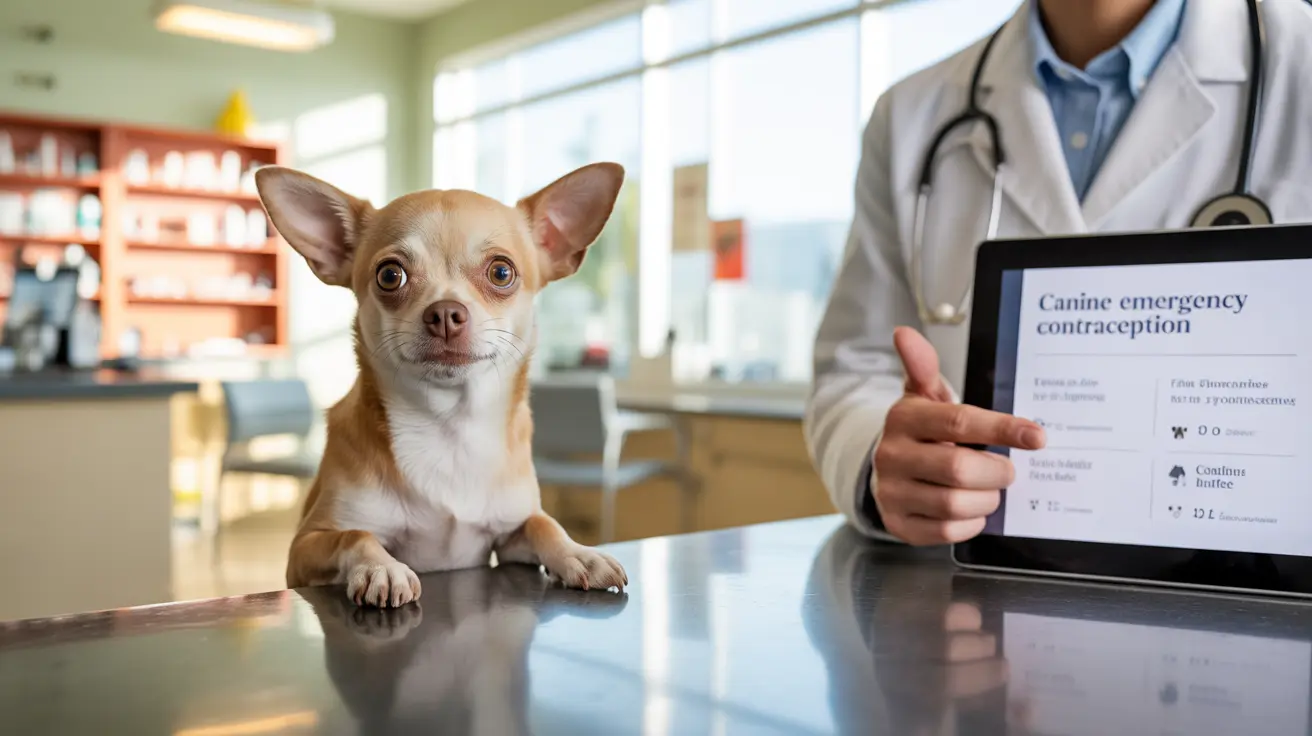
There is no over-the-counter pill equivalent to human Plan B that can safely prevent pregnancy in dogs. Instead, veterinarians rely on specific medical treatments, timing, and careful monitoring to manage accidental matings responsibly. Understanding these options is essential for any dog owner who wants to protect their pet’s health and avoid unwanted litters.
In this article, we’ll explore what “Plan B for dogs” really means, the veterinary methods available for emergency pregnancy prevention, and the risks and responsibilities involved. We’ll also discuss long-term reproductive management strategies and answer common questions about canine fertility and safety. By the end, you’ll have a clear understanding of what to do—and what not to do—if your dog experiences an accidental mating.
Understanding Canine Reproduction and the Myth of a “Morning-After Pill”
Dogs have a reproductive cycle that differs significantly from humans. Female dogs, or bitches, typically go into heat twice a year, and ovulation occurs over several days. Once mating happens, sperm can survive in the reproductive tract for up to a week, meaning fertilization may occur days after the initial encounter. This biological difference makes the idea of a single “morning-after pill” ineffective and potentially dangerous for dogs. Unlike humans, dogs require precise timing and veterinary supervision to interrupt pregnancy safely.
Many pet owners mistakenly believe that human emergency contraceptives can be adapted for canine use. This misconception can lead to severe health consequences, including hormonal imbalances, uterine infections, and even life-threatening complications. Veterinary medicine uses specific drugs designed for animals, and their administration depends on the dog’s size, breed, and stage of the reproductive cycle. Therefore, any attempt to self-administer human medication to a dog is strongly discouraged and can cause irreversible harm.
Recognizing the limits of canine reproductive control helps owners make informed decisions. Instead of searching for a quick fix, the best approach is to consult a veterinarian immediately after an accidental mating. Early intervention increases the range of safe and effective options available to prevent pregnancy.
Veterinary Options for Preventing Pregnancy After Accidental Mating
When a dog mates unexpectedly, time is critical. Veterinary professionals have several medical options to prevent or terminate pregnancy, but each comes with specific timing requirements and potential side effects. The most common preventive treatments involve hormone-based injections or medications that disrupt the implantation of fertilized eggs. These treatments must be administered under veterinary supervision, as incorrect dosing or timing can cause serious complications such as pyometra (uterine infection) or infertility.
Some of the most widely used veterinary interventions include:
- Estrogen-based injections: Administered shortly after mating, these can prevent fertilization but carry a high risk of uterine infection and are less commonly used today.
- Alizin (aglepristone): A progesterone-blocking drug that prevents pregnancy if given within a few days after mating. It is one of the safest and most effective veterinary options available.
- Spaying (ovariohysterectomy): Surgical removal of the ovaries and uterus, which both prevents pregnancy and eliminates future heat cycles. This is often recommended for dogs not intended for breeding.
Each method requires careful evaluation of the dog’s health, age, and breeding history. Veterinarians may also perform diagnostic tests, such as ultrasound or hormone assays, to determine whether fertilization has occurred. Acting quickly and seeking professional care ensures the best outcome for both the dog and her long-term reproductive health.
Risks, Side Effects, and Ethical Considerations
While emergency pregnancy prevention can be effective, it is not without risks. Hormonal treatments can cause side effects such as nausea, lethargy, or behavioral changes. More serious complications, including uterine infections or hormonal imbalances, may develop if the treatment is not properly managed. These risks highlight why veterinary supervision is essential and why owners should never attempt to administer drugs on their own. Even natural or “home remedy” approaches found online can be harmful and are not supported by scientific evidence.
Beyond medical risks, there are ethical considerations to weigh. Responsible pet ownership involves preventing accidental matings through proper supervision, secure fencing, and timely spaying or neutering. Relying on emergency measures as a routine solution can contribute to overpopulation and unnecessary suffering among unwanted puppies. Veterinarians often emphasize that prevention—through sterilization or controlled breeding—is far safer and more humane than emergency intervention after the fact.
Understanding these ethical and medical dimensions helps owners make compassionate, informed choices. By prioritizing preventive care and responsible breeding practices, pet owners can avoid the stress and uncertainty of emergency reproductive treatments.
Long-Term Prevention and Responsible Reproductive Management
Preventing accidental pregnancies is far easier and safer than dealing with them afterward. Spaying and neutering remain the most effective long-term solutions for controlling reproduction and improving overall health. Spayed females are protected from uterine infections and certain cancers, while neutered males are less likely to roam or exhibit aggressive behavior. These procedures also help reduce the number of homeless animals in shelters, addressing a major public welfare issue.
For owners who plan to breed their dogs responsibly, understanding the heat cycle and maintaining strict supervision during fertile periods are essential. Keeping detailed records of heat cycles, using secure enclosures, and separating males and females during estrus can prevent accidental matings. In addition, regular veterinary checkups ensure that both breeding partners are healthy and free from genetic or infectious diseases that could affect offspring.
Responsible reproductive management also includes education. Pet owners should familiarize themselves with local regulations, ethical breeding standards, and the potential costs of raising a litter. By taking proactive measures, owners can protect their pets’ health and contribute to a more sustainable and humane pet community.
Acting Quickly and Responsibly
When an accidental mating occurs, the most important step is to remain calm and contact a veterinarian immediately. There is no safe “Plan B pill” for dogs that can be given at home, but veterinary medicine offers several controlled options for preventing or terminating pregnancy. Acting quickly increases the likelihood of success and minimizes health risks. Long-term, the best protection comes from preventive care—spaying, neutering, and responsible supervision during heat cycles.
Ultimately, being an informed and proactive pet owner is the best way to safeguard your dog’s well-being. Understanding the realities behind “Plan B for dogs” empowers you to make decisions that are both medically sound and ethically responsible, ensuring a healthier future for your canine companion.
FAQ
Is there an actual “Plan B pill” for dogs?
No, there is no canine equivalent to the human morning-after pill. Dogs require veterinary-administered treatments that depend on timing, dosage, and reproductive status. Human emergency contraceptives are unsafe for dogs and can cause severe hormonal and organ damage. Always consult a veterinarian immediately after an accidental mating for safe, species-appropriate options.
How soon should I take my dog to the vet after an accidental mating?
Ideally, you should contact your veterinarian within 24 hours of the incident. Early intervention allows for the widest range of safe and effective treatments. Some medications, such as Alizin, must be administered within a few days to prevent pregnancy. Delaying veterinary care can limit options and increase health risks.
Can I give my dog human birth control pills?
Absolutely not. Human birth control pills contain hormones that can be toxic to dogs, leading to vomiting, lethargy, reproductive damage, or even death. Dogs metabolize hormones differently than humans, and only a veterinarian can prescribe safe, animal-specific medications. Never attempt to medicate your dog without professional guidance.
What are the signs that my dog might be pregnant?
Early signs of pregnancy in dogs can include mild weight gain, increased appetite, nipple enlargement, and behavioral changes such as nesting or restlessness. However, these symptoms can also indicate other conditions. A veterinarian can confirm pregnancy through ultrasound or hormone testing about three to four weeks after mating.
Is spaying after accidental mating an option?
Yes, spaying (ovariohysterectomy) can be performed after accidental mating to prevent pregnancy and future heat cycles. However, timing is crucial. The procedure is safest before implantation occurs, typically within the first few days after mating. Your veterinarian will assess your dog’s condition and recommend the best course of action.
What are the risks of using hormonal treatments to prevent pregnancy?
Hormonal treatments can cause side effects such as nausea, lethargy, or temporary appetite loss. More serious complications, like uterine infections or hormonal imbalances, may occur if the treatment is misused. These risks underscore the importance of veterinary supervision and proper follow-up care after any emergency reproductive treatment.
Can natural remedies prevent pregnancy in dogs?
No natural or home remedies have been scientifically proven to prevent pregnancy in dogs. Many online suggestions are ineffective or dangerous. Only veterinary-approved medications or surgical procedures can safely interrupt pregnancy. Relying on unverified methods can endanger your dog’s life and lead to severe complications.
How can I prevent accidental mating in the future?
Prevention involves a combination of supervision, timing, and responsible care. Keep female dogs indoors or securely fenced during heat cycles, and separate them from males. Spaying and neutering are the most reliable long-term solutions. Regular veterinary visits and education about canine reproduction also help reduce the risk of accidents.
Is it safe to breed my dog after using emergency contraception?
It depends on the treatment used and your dog’s recovery. Some hormonal medications can temporarily affect fertility or cause uterine changes. Before attempting to breed again, consult your veterinarian for a full reproductive health evaluation. Responsible breeding should only occur when both dogs are healthy and genetically sound.
What should I do if I can’t afford emergency treatment?
If cost is a concern, contact local animal shelters, rescue organizations, or veterinary assistance programs. Many offer low-cost spaying or emergency care options. Acting quickly is still essential, as delaying treatment can lead to higher costs and greater health risks. Always seek professional advice rather than attempting home remedies.