
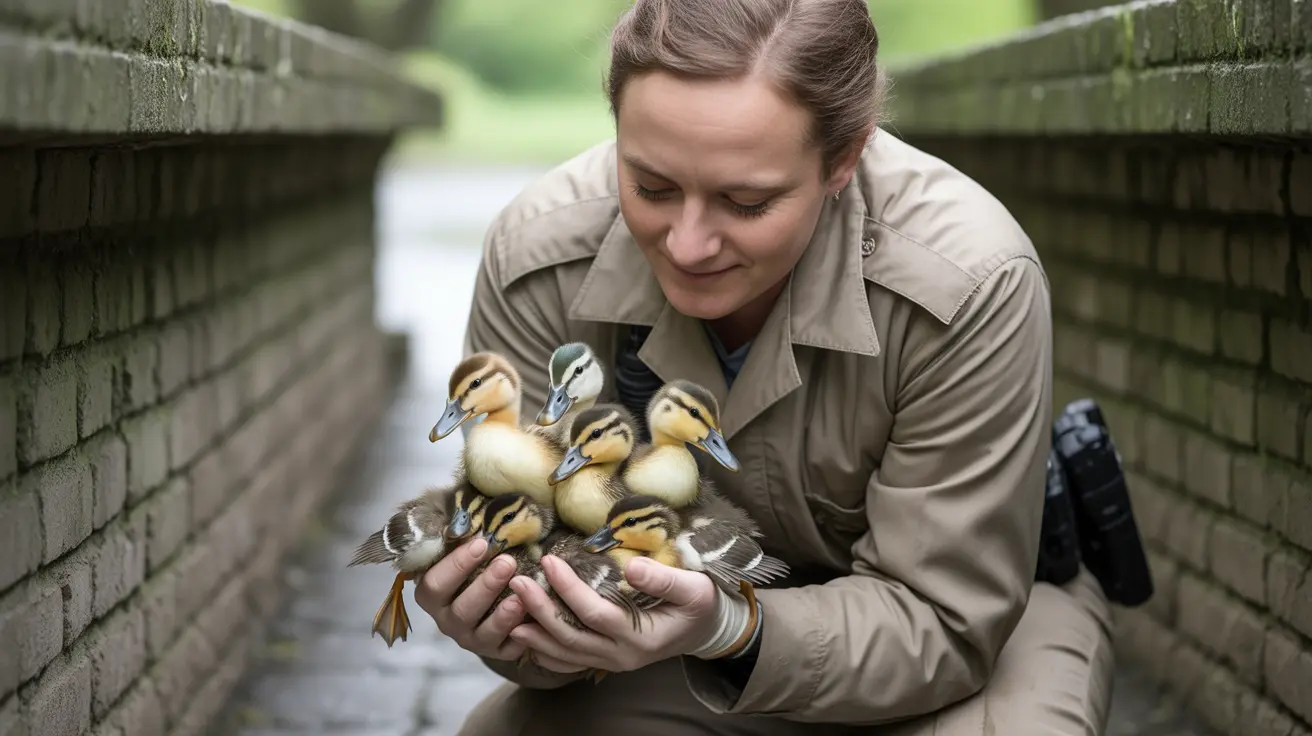
Last Thursday marked a busy day for Sugar Land Animal Services as officers responded to two separate emergency calls involving ducklings trapped in storm drains. These duckling storm drain rescue operations, which occurred just hours apart, highlight the seasonal challenges that urban wildlife faces during spring nesting season and demonstrate the critical role of animal control services in protecting vulnerable waterfowl.
The successful rescue missions underscore the importance of community awareness and rapid response protocols when it comes to protecting baby ducks in danger from urban infrastructure hazards. Spring is peak season for these types of incidents, as mallard ducklings and other waterfowl species begin their nesting cycles in urban environments where storm drains pose significant threats to newly hatched birds.
Understanding Urban Wildlife Rescue Challenges
Mallard ducklings urban hazards are particularly common during late spring and early summer months when mother ducks lead their broods from nesting sites to water sources. Storm drains, with their dark openings and proximity to water runoff, can appear inviting to young ducklings but quickly become dangerous traps.
The Sugar Land animal services teams demonstrated professional expertise in handling these delicate emergency wildlife rescue situations. Such operations require specialized knowledge of duckling behavior, proper handling techniques, and equipment designed to safely extract small animals from confined spaces without causing injury or additional stress.
How Animal Control Duckling Rescue Operations Work
Professional waterfowl rescue services follow established protocols to ensure both animal safety and operational efficiency. The process typically involves assessing the situation, determining the safest extraction method, and coordinating with mother ducks who may be nearby and distressed.
Animal control officers use specialized tools including nets, carriers, and sometimes ladder equipment to access storm drain openings safely. The goal is always to reunite rescued ducklings with their mothers as quickly as possible, as maternal bonds are crucial for duckling survival and proper development.
Spring Duckling Rescue Safety Measures
During peak nesting season, animal services departments often see increased calls related to duckling emergencies. Professional rescuers prioritize gentle handling techniques and stress reduction methods to minimize trauma to the young birds. Quick response times are essential, as ducklings can become hypothermic or injured if trapped for extended periods.
Preventing Ducklings Falling Drains: Community Solutions
While professional rescue services provide critical emergency response, preventing ducklings falling drains requires community-wide awareness and proactive measures. Property owners near water sources can take steps to reduce risks by installing protective barriers or covers over storm drain openings during peak nesting season.
Protecting nesting ducklings involves understanding their behavior patterns and the routes mother ducks typically take when moving their broods. Urban planning that considers wildlife movement patterns can help reduce these incidents through thoughtful infrastructure design.
The Importance of Professional Wildlife Intervention
These Sugar Land rescues demonstrate why duckling rehabilitation should always be handled by trained professionals. Improper rescue attempts can injure delicate baby birds or separate them permanently from their mothers. Animal control officers have the training and equipment necessary to execute safe extractions while minimizing stress to both ducklings and parent birds.
Emergency wildlife rescue operations require coordination between multiple agencies and quick decision-making to ensure positive outcomes. The success of these particular rescues reflects well-established protocols and the dedication of animal services personnel to protecting urban wildlife.
Frequently Asked Questions
- What should I do if I find ducklings trapped in a storm drain? Contact your local animal control services immediately. Do not attempt to rescue the ducklings yourself, as improper handling can cause injury or permanently separate babies from their mother. Keep the area quiet and monitor from a distance while waiting for professional help.
- Why do ducklings fall into storm drains and how can this be prevented? Ducklings follow their mothers along routes that may cross storm drains, and the small birds can easily slip through grates or openings. Prevention involves installing protective barriers during nesting season and maintaining awareness of nesting sites near drainage systems.
- How do animal services safely rescue ducklings from drains without injuring them? Professional rescuers use specialized equipment including nets and carriers, follow established protocols to minimize stress, and work quickly to reunite ducklings with their mothers. Their training includes proper handling techniques for delicate waterfowl.
- Will reunited ducklings stay with their mother duck after a storm drain rescue? Yes, when rescued quickly and handled properly by professionals, ducklings typically reunite successfully with their mothers. The maternal bond remains strong, and mother ducks will usually accept their babies back after brief separations.
- What time of year are ducklings most at risk of falling into storm drains? Late spring through early summer represents peak risk season, typically April through July, when most duck species are nesting and moving newly hatched broods to water sources. This timing coincides with increased urban wildlife activity.
Conclusion
The successful duckling storm drain rescue operations in Sugar Land demonstrate the vital role that animal services play in protecting urban wildlife. These incidents serve as important reminders for communities to remain vigilant during nesting season and to contact professionals when wildlife emergencies occur.
As urban development continues to intersect with natural wildlife habitats, the expertise of animal control teams becomes increasingly valuable in ensuring that incidents like these have positive outcomes for both the animals involved and the communities that care about their welfare.




