
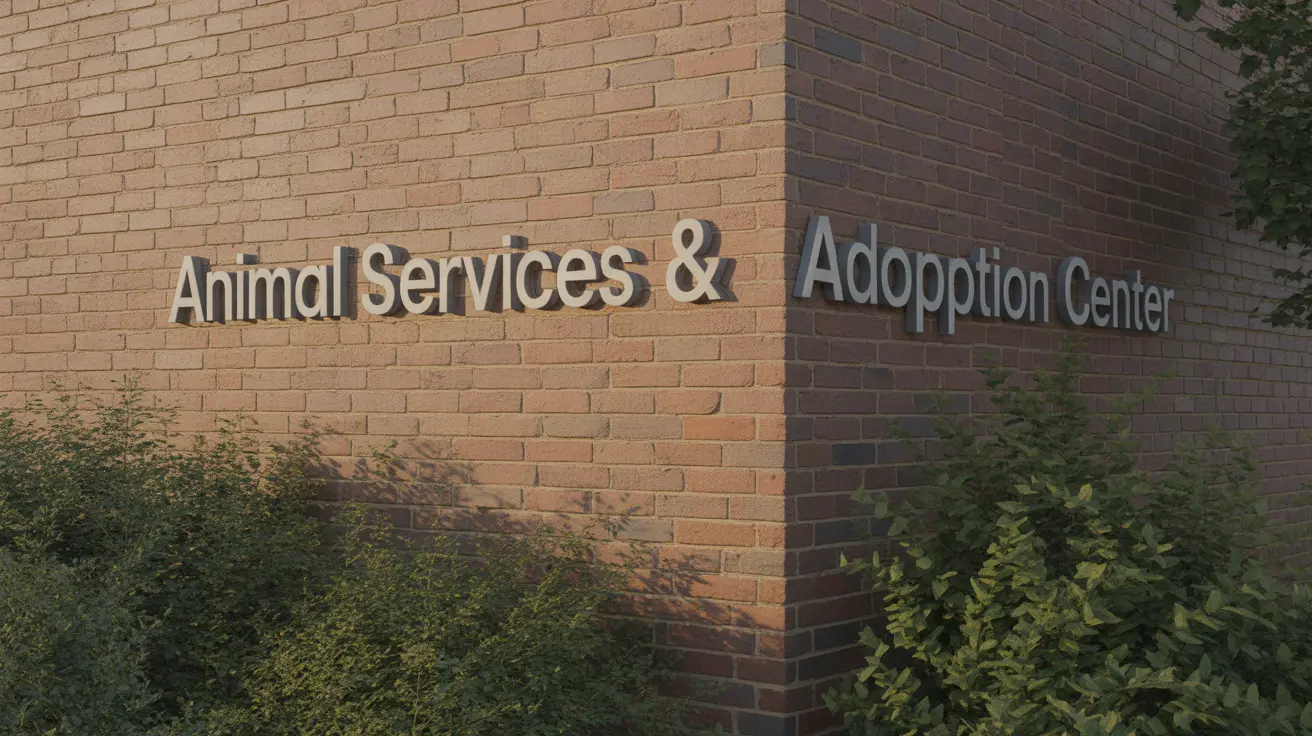
Kansas Department of Agriculture Inspection Reveals Multiple Violations
The KDA inspection failure at the Salina Animal Shelter encompassed several areas of non-compliance beyond the euthanasia protocol violations. State inspectors documented issues with food storage procedures, water container maintenance, and significant documentation gaps in the facility's record-keeping systems.
These findings are particularly troubling as they suggest systemic issues rather than isolated incidents. Animal shelters are required to maintain strict standards to ensure the humane treatment of animals in their care, and the inspection revealed that basic welfare requirements were not being met.
Untrained Staff Euthanasia Raises Serious Welfare Concerns
The most alarming discovery during the inspection was that untrained staff members were performing euthanasia procedures without following proper sedation protocols. This practice violates established animal welfare standards that require animals to be sedated before euthanasia to minimize stress and ensure a humane process.
Proper euthanasia protocols are designed to ensure that animals experience minimal distress during their final moments. The use of sedation is a critical component that helps reduce anxiety and fear, making the process more peaceful for the animals involved.
Shelter Operations Under Review Following State Sanctions
In response to the inspection findings, the Salina Animal Shelter has reportedly suspended its euthanasia operations while addressing the violations identified by state inspectors. This suspension demonstrates the severity of the issues uncovered and the immediate action required to bring the facility into compliance.
The shelter's management is now working to implement corrective measures that address each area of non-compliance identified in the state inspection. These efforts include reviewing staff training protocols, updating facility procedures, and ensuring proper documentation systems are in place.
Broader Implications for Kansas Animal Shelters
The violations at the Salina Animal Shelter have prompted discussions about the need for more comprehensive oversight of animal welfare facilities across Kansas. The case highlights the importance of regular inspections and adherence to established protocols that protect animals in shelter environments.
Pet owners and animal advocates are calling for increased transparency in shelter operations and more frequent monitoring to prevent similar violations from occurring at other facilities throughout the state.
Moving Forward: Essential Standards for Animal Shelters
This situation underscores the critical importance of proper training for all shelter staff involved in animal care. Shelters must ensure that personnel responsible for euthanasia procedures are adequately trained and certified to perform these sensitive duties according to established veterinary and humane standards.
Additionally, shelters should maintain comprehensive documentation systems, proper food storage protocols, and adequate water and sanitation facilities to ensure the health and welfare of animals in their care.
Frequently Asked Questions
What violations were found in the Salina Animal Shelter's state inspection?
The Kansas Department of Agriculture inspection found multiple violations including animals being euthanized without sedation by untrained staff, improper food storage procedures, water container maintenance issues, and significant gaps in documentation and record-keeping.
Why was the Salina Animal Shelter rated unsatisfactory by the Kansas Department of Agriculture?
The shelter received an unsatisfactory rating due to systemic non-compliance issues that affected animal welfare standards. The most serious violation involved untrained staff performing euthanasia without proper sedation protocols, along with failures in basic facility maintenance and documentation requirements.
Has the Salina Animal Shelter stopped euthanizing animals after the inspection failure?
Following the inspection findings, the Salina Animal Shelter has suspended its euthanasia operations while working to address the violations and implement corrective measures to bring the facility into compliance with state standards.
What corrective actions has the Salina Animal Shelter taken following the KDA inspection?
The shelter is working to address all areas of non-compliance identified in the inspection, including reviewing and updating staff training protocols, improving facility procedures, and establishing proper documentation systems to meet state requirements.
Are other Kansas animal shelters facing similar euthanasia compliance issues?
While this case specifically involves the Salina Animal Shelter, it has raised broader questions about oversight and compliance at animal welfare facilities throughout Kansas, prompting discussions about the need for more comprehensive monitoring and standardized protocols across the state.
Conclusion
The violations uncovered at the Salina Animal Shelter serve as a stark reminder of the responsibility that animal welfare facilities bear in ensuring humane treatment of animals in their care. The inspection findings highlight the critical importance of proper training, adequate oversight, and adherence to established protocols that protect vulnerable animals.
As the shelter works to address these serious violations and regain compliance, this case underscores the need for continued vigilance in monitoring animal welfare standards across all shelter facilities. Pet owners and animal advocates must remain engaged in ensuring that shelters maintain the highest standards of care for the animals they serve.




