
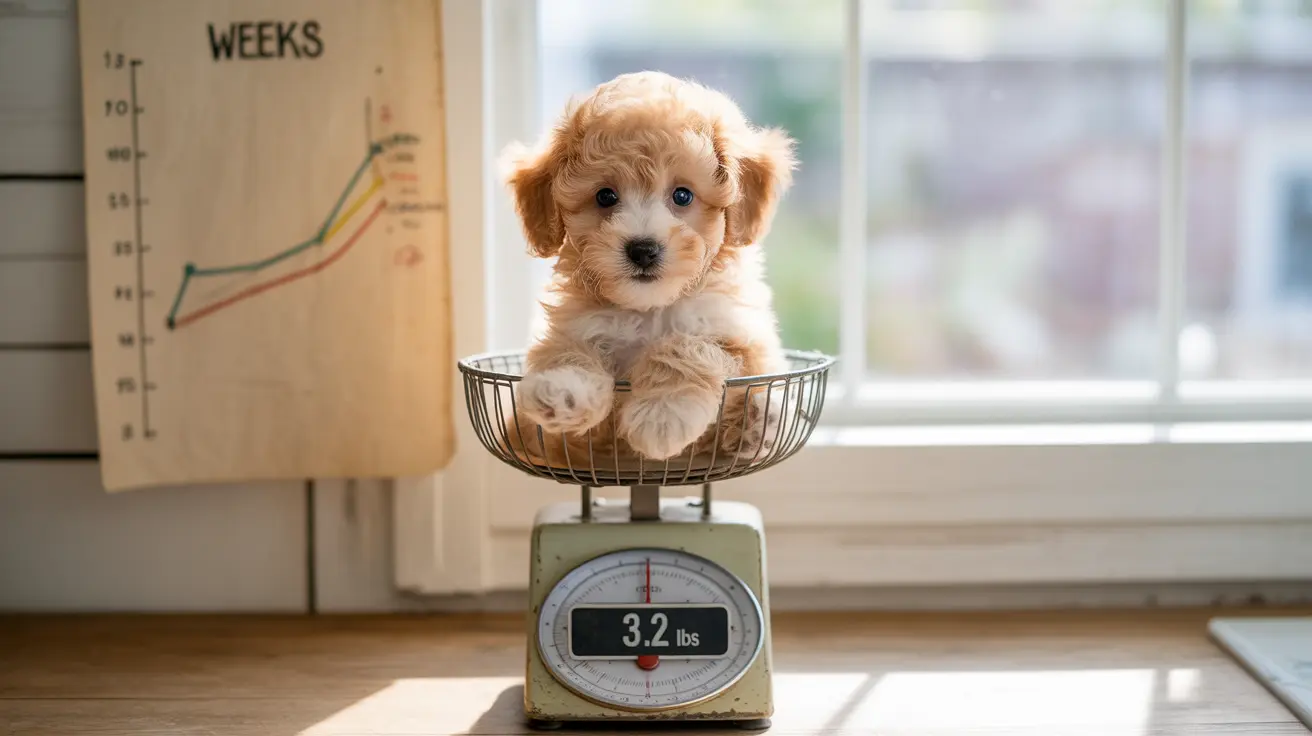
Despite their petite size, Toy Poodles experience a fascinating growth journey from birth to adulthood. Understanding how they grow helps owners provide the right nutrition, exercise, and care at every stage. Growth charts are valuable tools that allow pet parents to track weight and height milestones, ensuring their dog develops at a healthy pace. Because Toy Poodles mature quickly compared to larger breeds, monitoring their progress during the first year is especially important.
Typically, Toy Poodles reach their full adult size between 6 and 8 months of age, though subtle changes in muscle tone and coat texture may continue for several more months. By adulthood, most Toy Poodles weigh between 4 and 6 pounds and stand about 9 to 10 inches tall at the shoulder. However, genetics, diet, and overall health can influence these averages. Understanding these factors helps owners anticipate what to expect and recognize any deviations that might signal a health concern.
In the following sections, we’ll explore the Toy Poodle’s growth stages, the key factors that shape their development, and how to use a growth chart effectively. We’ll also discuss nutrition, exercise, and health considerations that support optimal growth and long-term well-being.
Growth Stages of a Toy Poodle
The growth of a Toy Poodle can be divided into several distinct stages, each with its own physical and behavioral milestones. During the neonatal stage, which covers the first two weeks of life, puppies are completely dependent on their mother for warmth and nutrition. Their eyes and ears remain closed, and their primary activities are nursing and sleeping. Rapid growth occurs during this time, setting the foundation for healthy development.
Between three and eight weeks, Toy Poodles enter the transitional and socialization phases. Their senses develop, they begin to walk, and they start interacting with littermates. This is also when early social behaviors form, which will influence their temperament later in life. By eight weeks, most Toy Poodles weigh around 1.5 to 2 pounds and are ready to begin gentle training and social exposure.
From two to six months, Toy Poodles experience their fastest growth. Their bones, muscles, and coordination improve rapidly, and they begin to resemble miniature versions of adult dogs. By six months, most Toy Poodles reach about 80–90% of their adult weight. Growth slows significantly after this point, with full maturity typically achieved by eight months. Owners should continue to monitor weight and height during this period to ensure steady progress without excessive gain, which can strain delicate joints.
Although physical growth stabilizes early, mental and emotional development continues well into the first year. Consistent training, socialization, and mental stimulation during this time help shape a confident, well-adjusted adult Toy Poodle. Understanding these stages allows owners to tailor care and expectations as their puppy matures.
Using a Toy Poodle Growth Chart
A Toy Poodle growth chart is a practical reference that outlines average weight and height milestones from birth through adulthood. It helps owners compare their puppy’s progress to breed standards and detect potential growth irregularities. While every dog is unique, consistent tracking ensures that any significant deviations can be discussed with a veterinarian early on. Growth charts are especially useful for first-time owners who may not be familiar with normal development patterns.
To use a growth chart effectively, owners should weigh their Toy Poodle weekly during the first few months and record the results. Height can be measured from the floor to the top of the shoulder using a soft measuring tape. Comparing these numbers to the chart provides a clear picture of whether the puppy is growing at a healthy rate. If growth stalls or accelerates unexpectedly, it may indicate nutritional imbalances or underlying health issues that require attention.
- Newborn to 2 weeks: 0.2–0.5 pounds
- 4 weeks: 0.8–1.2 pounds
- 8 weeks: 1.5–2 pounds
- 3 months: 2.5–3.5 pounds
- 6 months: 4–5 pounds
- 8–12 months: 4–6 pounds (adult weight)
These figures represent general averages, not strict rules. Some Toy Poodles may fall slightly above or below these ranges and still be perfectly healthy. The key is consistent, proportional growth rather than exact adherence to numbers. Regular veterinary checkups complement chart tracking by confirming that your Toy Poodle’s development aligns with their overall health and body condition.
Factors Influencing Toy Poodle Growth
Several factors determine how quickly and healthily a Toy Poodle grows. Genetics play the most significant role, as puppies inherit size tendencies from their parents. Breeders often provide information about the size of a puppy’s lineage, which can help predict adult weight and height. However, environmental influences such as diet, exercise, and stress also contribute to growth outcomes. A balanced approach to these elements ensures steady, sustainable development.
Nutrition is particularly critical during the first year. Toy Poodles require high-quality puppy food formulated for small breeds, which provides concentrated energy and essential nutrients in small portions. Overfeeding can lead to obesity, while underfeeding may stunt growth. Owners should follow feeding guidelines based on weight and age, adjusting portions as the puppy matures. Hydration is equally important, as small dogs are more prone to dehydration due to their fast metabolism.
Exercise and mental stimulation also influence growth. While Toy Poodles are energetic and playful, their small frames make them susceptible to injury from excessive jumping or rough play. Short, gentle walks and interactive games are ideal for building muscle tone without overexertion. Mental enrichment through puzzle toys and training sessions supports cognitive development, which is just as vital as physical growth.
Finally, health care and preventive measures play a major role. Regular veterinary visits, vaccinations, and parasite prevention help maintain overall wellness. Early detection of issues such as hypoglycemia, dental problems, or joint concerns ensures timely treatment. A healthy Toy Poodle that receives balanced nutrition, appropriate exercise, and consistent care will typically reach its full potential in both size and vitality.
Nutrition and Care for Optimal Development
Feeding a Toy Poodle properly during its growth stages requires attention to portion control and nutrient balance. Because of their small stomachs, Toy Poodles benefit from multiple small meals throughout the day rather than one or two large feedings. This approach helps maintain stable blood sugar levels and prevents digestive discomfort. Owners should choose foods rich in lean protein, healthy fats, and essential vitamins to support muscle growth, coat health, and immune function.
In addition to diet, grooming and dental care are essential aspects of overall development. Toy Poodles have a curly, non-shedding coat that requires regular brushing to prevent matting. Early grooming sessions help puppies become comfortable with handling, which makes future maintenance easier. Dental hygiene should begin early as well, since small breeds are prone to tartar buildup and gum disease. Regular brushing and dental treats can significantly reduce these risks.
- Feed small, frequent meals to maintain energy levels.
- Choose high-quality food designed for small-breed puppies.
- Provide fresh water at all times.
- Establish a consistent grooming and dental routine.
- Schedule regular veterinary checkups for monitoring growth and health.
Proper care during the first year lays the foundation for a lifetime of health. By combining balanced nutrition, preventive care, and gentle exercise, owners can ensure their Toy Poodle grows into a strong, happy, and well-adjusted companion. The habits formed during puppyhood often influence long-term wellness, making early attention to detail especially valuable.
The Toy Poodle’s growth journey is a remarkable process that unfolds rapidly within the first year of life. By understanding each stage of development and using a growth chart to track progress, owners can ensure their puppy reaches its full potential safely and healthily. Balanced nutrition, regular exercise, and attentive veterinary care are the cornerstones of proper growth. While every Toy Poodle is unique, consistent monitoring and proactive care help prevent common issues and promote lifelong vitality. With the right guidance and attention, your Toy Poodle will thrive as a joyful, intelligent, and loving member of your family.
FAQ
How big do Toy Poodles get when fully grown?
Adult Toy Poodles typically weigh between 4 and 6 pounds and stand about 9 to 10 inches tall at the shoulder. Some may be slightly smaller or larger depending on genetics and nutrition. Because they are bred to be compact, any significant deviation from these averages should be discussed with a veterinarian to rule out underlying health issues. Monitoring growth through a chart helps ensure your Toy Poodle is developing within a healthy range.
At what age do Toy Poodles stop growing?
Most Toy Poodles reach their full height and weight between 6 and 8 months of age. However, subtle changes in muscle tone and coat texture may continue until around one year. Mental and emotional maturity also develop gradually, so consistent training and socialization remain important even after physical growth slows. Regular checkups during this period help confirm that your dog’s development is on track.
What should I feed my Toy Poodle puppy?
Toy Poodle puppies need high-quality food formulated for small breeds. These diets provide concentrated nutrients in smaller portions, supporting steady growth without overloading their digestive system. Look for foods rich in lean protein, healthy fats, and essential vitamins. Feeding three to four small meals daily helps maintain stable energy levels and prevents hypoglycemia, a common issue in small dogs. Always provide fresh water and consult your vet for personalized feeding recommendations.
How can I tell if my Toy Poodle is underweight or overweight?
You can assess your Toy Poodle’s body condition by gently feeling their ribs and observing their waistline. The ribs should be easily felt but not visible, and there should be a slight inward curve at the waist when viewed from above. If the ribs are hard to feel or the waistline is absent, your dog may be overweight. Conversely, if the ribs and spine are prominent, they may be underweight. Regular weigh-ins and veterinary guidance help maintain a healthy balance.
Do Toy Poodles grow faster than other breeds?
Yes, Toy Poodles mature more quickly than medium or large breeds. Because of their small size, they reach adult proportions within the first eight months. Larger breeds can take up to two years to fully mature. This rapid growth means Toy Poodle owners must pay close attention to nutrition and health during the early months to avoid developmental issues. Proper feeding and gentle exercise are key to supporting their accelerated growth rate.
How often should I weigh my Toy Poodle puppy?
During the first six months, it’s best to weigh your Toy Poodle weekly. This allows you to track progress accurately and identify any sudden changes that might indicate a health problem. After six months, monthly weigh-ins are usually sufficient. Keeping a record of these measurements alongside a growth chart provides valuable insight into your puppy’s development and helps your veterinarian assess overall health trends.
What health issues can affect Toy Poodle growth?
Several conditions can influence Toy Poodle growth, including hypoglycemia, digestive sensitivities, and dental problems. Poor nutrition or overfeeding can also lead to obesity, which strains joints and organs. Genetic factors may predispose some Toy Poodles to orthopedic or metabolic issues. Regular veterinary visits, a balanced diet, and preventive care minimize these risks. Early detection and treatment are essential for maintaining steady, healthy growth throughout puppyhood.
How much exercise does a Toy Poodle puppy need?
Toy Poodle puppies benefit from short, gentle play sessions several times a day. Because of their small size, they don’t require long walks or intense activity. Ten to fifteen minutes of light exercise, such as indoor play or short outdoor strolls, is usually sufficient. Overexertion can harm developing joints, so it’s important to balance activity with plenty of rest. Mental stimulation through training and puzzle toys also supports healthy development.
When should I switch my Toy Poodle from puppy food to adult food?
Most Toy Poodles can transition to adult food around 9 to 12 months of age, once their growth has stabilized. Switching too early can deprive them of essential nutrients needed for development, while switching too late may contribute to excess weight gain. Gradually mix adult food with puppy food over a week to avoid digestive upset. Your veterinarian can confirm the best timing based on your dog’s size, weight, and overall health.
Why is tracking Toy Poodle growth important?
Tracking growth helps ensure your Toy Poodle is developing at a healthy rate and receiving proper nutrition. It also allows early detection of potential health issues, such as stunted growth or obesity. By comparing your puppy’s weight and height to breed averages, you can make informed decisions about diet, exercise, and veterinary care. Consistent monitoring supports long-term well-being and helps your Toy Poodle thrive throughout every stage of life.




