
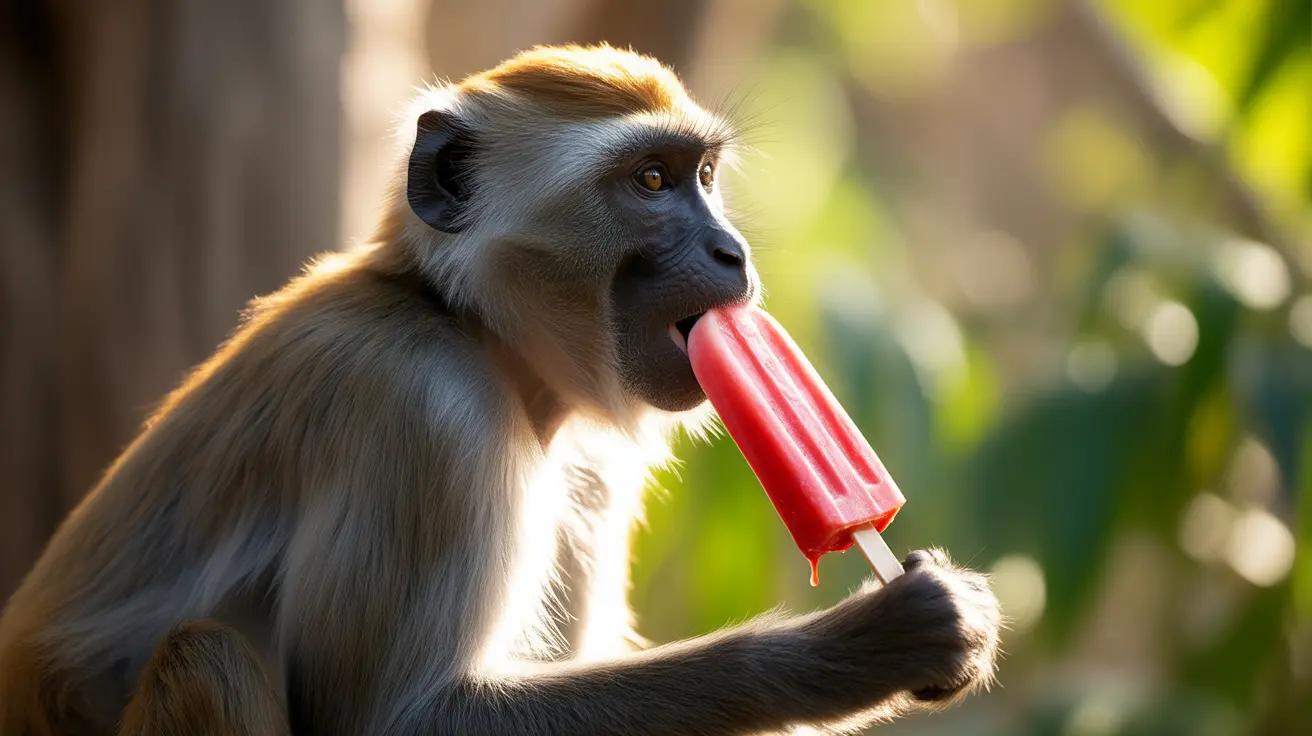
When temperatures soar to dangerous levels, zoo animals need extra help staying cool and comfortable. This week at Rio de Janeiro's BioParque zoo, staff demonstrated innovative animal welfare practices by providing zoo animals frozen treats as the city faced another day of extreme heat during Brazil's intense summer season.
The creative cooling initiative highlights how modern zoos prioritize animal comfort during challenging weather conditions. As pet parents worldwide face similar summer heat challenges, these professional animal care strategies offer valuable insights for keeping our own furry companions safe and comfortable.
Species-Specific Ice Treats for Every Animal
Zoo officials at BioParque carefully prepared customized frozen treats according to each species' dietary needs and preferences. Jaguars received specially formulated icy popsicles designed for their carnivorous requirements, while monkeys enjoyed watermelon popsicles that provided both hydration and nutritional value.
The attention to species-specific needs demonstrates the importance of tailoring cooling methods to individual animals. Some animals received frozen fruit varieties that naturally appeal to their taste preferences, while others were offered specialized mixtures containing ingredients appropriate for their digestive systems.
Animal Welfare During Extreme Heat Conditions
The BioParque Rio heat response showcases best practices in zoo heat stress relief protocols. When animals face temperatures that exceed their natural comfort zones, proactive cooling measures become essential for maintaining their health and well-being.
Professional animal caregivers understand that heat stress can impact animals differently based on their natural habitats, body size, and physiological adaptations. Large mammals like jaguars may struggle more with heat regulation compared to smaller species that can seek shade more easily.
Innovative Cooling Methods Across Species
The frozen bloodsicles wolves received represent the specialized approach needed for different animal types. Carnivorous animals require protein-based frozen treats that satisfy their nutritional needs while providing cooling relief.
Spectacle bears cooling protocols likely included fruit-based frozen enrichment, as these omnivorous animals naturally consume diverse plant materials in their wild habitats. Meanwhile, otters zoo frozen food programs take advantage of these semi-aquatic animals' natural affinity for water-based activities.
Zoo Enrichment Heat Protocols
Beyond simple temperature relief, these frozen treats serve as environmental enrichment that encourages natural behaviors. Animals must manipulate, lick, and work at the frozen items, providing mental stimulation alongside physical cooling.
Modern zoo enrichment heat protocols recognize that animal welfare encompasses both physical comfort and psychological well-being. Interactive cooling methods engage animals' problem-solving abilities while addressing their immediate physiological needs.
Lessons for Pet Owners During Hot Weather
While most pet parents don't face Brazil heatwave zoo care challenges, the principles behind professional animal cooling apply to home pet care. Creating safe, species-appropriate cooling solutions helps domestic animals cope with summer heat stress.
DIY pet icy treats heat solutions can include frozen Kong toys filled with pet-safe ingredients, ice cubes made from low-sodium broth, or frozen fruit pieces appropriate for specific pets. Always ensure any frozen treats match your pet's dietary restrictions and size requirements.
Safe Cooling Practices at Home
Pet owners can learn from zoo professionals by monitoring their animals for signs of heat stress and providing multiple cooling options. Fresh water access, shaded areas, and appropriate frozen treats create a comprehensive approach to summer animal care.
However, unlike zoo animals that receive professional veterinary oversight, home pets need owner vigilance to ensure cooling methods remain safe and appropriate for their individual health conditions.
Frequently Asked Questions
How do zoos cool down animals like jaguars and monkeys during extreme heatwaves?
Zoos use species-specific frozen treats tailored to each animal's dietary needs, along with environmental modifications like shade structures and water features. Jaguars receive meat-based frozen treats while monkeys enjoy fruit popsicles that provide hydration and enrichment.
What kinds of frozen treats do zoo animals get in hot weather, and why are they species-specific?
Frozen treats vary by species - carnivores like wolves get frozen blood treats, omnivores like bears receive fruit-based options, and primates enjoy watermelon popsicles. Species-specific formulation ensures the treats meet nutritional requirements while providing safe cooling relief.
Can pet owners make safe icy treats at home for dogs or cats during hot weather?
Yes, pet owners can create safe frozen treats using pet-appropriate ingredients like low-sodium broth, plain yogurt, or pet-safe fruits. Always avoid toxic ingredients and consult your veterinarian about appropriate portion sizes and frequency for your specific pet.
Conclusion
The innovative animal care demonstrated at Rio de Janeiro's BioParque zoo illustrates how professional facilities adapt to challenging environmental conditions. These cooling strategies protect animal welfare while providing enrichment that engages natural behaviors.
Pet parents can apply similar principles by creating safe, appropriate cooling solutions for their own animals during hot weather. Whether through professionally designed zoo protocols or thoughtful home adaptations, prioritizing animal comfort during extreme temperatures reflects our commitment to responsible pet care.




