
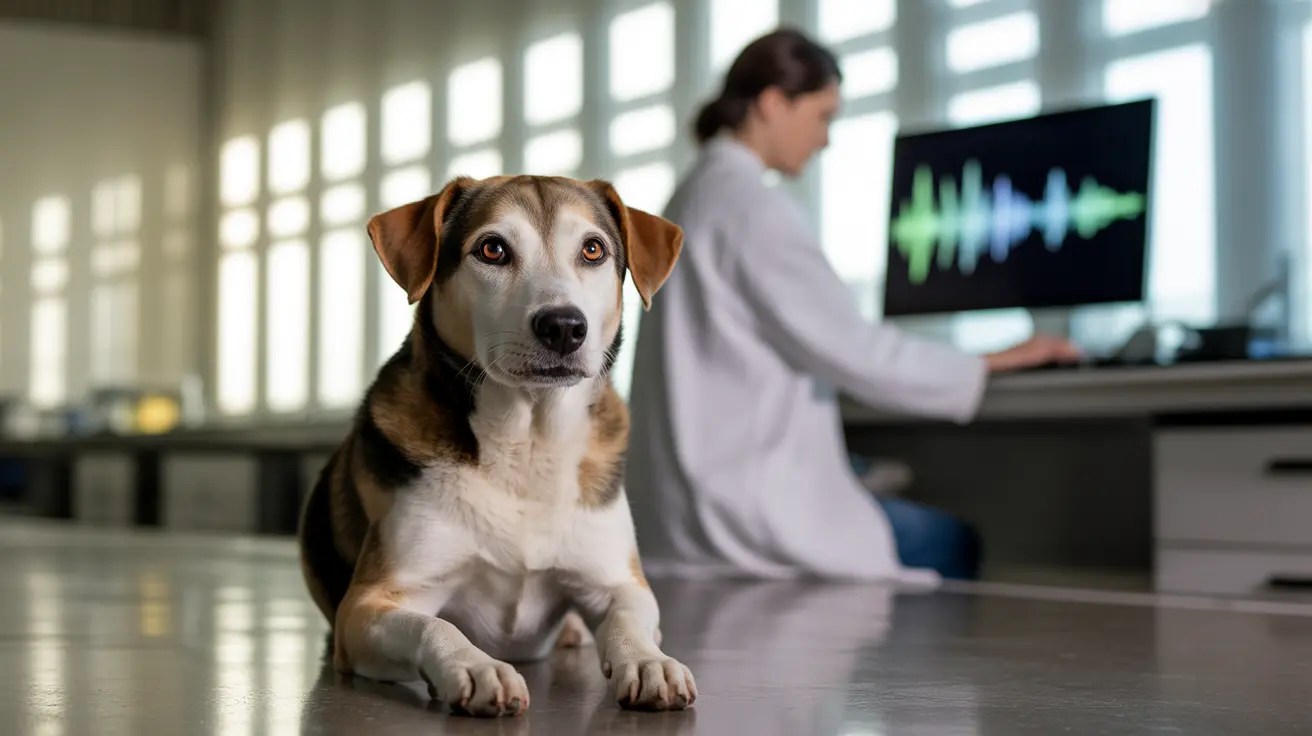
The age-old dream of understanding what our pets are really thinking may no longer be confined to fantasy films. Researchers worldwide are harnessing artificial intelligence to bridge the communication gap between humans and animals, opening up unprecedented possibilities for pet owners who have always wondered what their furry companions are trying to tell them.
This emerging field of AI animal communication represents a significant leap forward in our understanding of animal behavior and could revolutionize how we care for our pets. From decoding dog barks to interpreting cat meows, scientists are developing sophisticated tools that may soon help us have meaningful conversations with our beloved animals.
The Science Behind AI Pet Translator Technology
Modern AI pet translator systems rely on advanced machine learning algorithms to analyze the complex patterns in animal vocalizations. These systems process thousands of audio samples to identify specific meanings behind different sounds, creating a digital dictionary of animal communication.
Researchers are focusing on several key areas to decode dog barks AI and other pet sounds. The technology examines pitch, frequency, duration, and context to determine whether a bark indicates excitement, anxiety, hunger, or the need to go outside. Similarly, scientists working on cat meows translation are discovering that felines have developed specific vocal patterns to communicate exclusively with humans.
Groundbreaking Projects Advancing Animal Language AI
Several major research initiatives are pushing the boundaries of what's possible in animal communication technology. These projects represent the cutting edge of bioacoustics machine learning and offer hope for future breakthroughs in pet communication.
Project CETI Whales: Understanding Ocean Giants
Project CETI whales represents one of the most ambitious attempts to decode animal language. Scientists are using AI to analyze the complex click patterns of sperm whales, potentially unlocking secrets of marine communication that could inform our understanding of all animal languages.
Earth Species Project: Universal Animal Translation
The Earth Species Project aims to develop comprehensive AI systems that can interpret communication across multiple species. Their work focuses on creating universal translation tools that could benefit both pet owners and wildlife conservation efforts.
BirdNET App: Real-World Applications
The BirdNET app demonstrates how AI conservation animals technology can be made accessible to everyday users. This application identifies bird species through their songs and calls, showing how similar technology might eventually work for household pets.
The Promise of Two-Way Pet Communication
While current technology focuses primarily on understanding animal sounds, researchers are working toward achieving true two-way pet communication. This would allow not only decoding what animals are saying but also enabling humans to respond in ways animals can understand.
The development of elephant calls AI has shown promising results in understanding complex social communications among these intelligent mammals. These findings suggest that similar breakthroughs in domestic pet communication may be possible as our understanding of animal cognition advances.
Challenges in Developing Pet Vocalization Decoder Systems
Creating effective pet vocalization decoder technology faces several significant challenges. Animals often communicate through body language, scent, and context that purely audio-based systems cannot capture. Additionally, individual animals may develop unique communication styles with their owners, making standardized translation difficult.
Researchers must also account for breed differences, age variations, and environmental factors that influence how pets communicate. A senior dog's bark patterns may differ significantly from a puppy's vocalizations, requiring AI systems to adapt to these variables.
Practical Applications for Pet Owners
The ultimate goal of Dr Dolittle AI technology is to improve the lives of both pets and their human families. Early applications might include:
- Identifying signs of pain or discomfort that owners might miss, helping with veterinary care and early health intervention.
- Understanding stress triggers could help create more comfortable environments for anxious pets.
- Improved communication could strengthen the human-animal bond and reduce behavioral problems.
These advances in talk to animals AI could be particularly valuable for elderly pets or those with special needs who may have difficulty expressing their requirements through traditional means.
Frequently Asked Questions
How accurate are current AI animal communication systems?
Current AI animal communication technology is still in development stages, with accuracy rates varying significantly depending on the specific application and animal species. Research shows promising results in controlled environments, but real-world applications require further refinement to account for individual animal differences and environmental factors.
When will AI pet translators become available to consumers?
While basic pet communication apps exist today, truly sophisticated AI pet translator devices are likely several years away from consumer release. Researchers estimate that meaningful breakthroughs in two-way communication may emerge within the next decade as machine learning technology continues to advance.
Can AI help with all types of pet communication?
AI animal communication technology currently works best with vocal patterns but struggles with non-verbal communication like body language and scent marking. Future systems will likely need to incorporate multiple sensory inputs to provide comprehensive understanding of pet communication.
Looking Toward the Future
The journey toward effective AI animal communication continues to evolve rapidly, driven by advances in machine learning and our growing understanding of animal cognition. While we may not achieve the fantastical abilities of fictional characters anytime soon, the progress being made offers genuine hope for deeper connections with our animal companions.
As these technologies develop, pet owners can look forward to a future where understanding their furry friends becomes less guesswork and more genuine dialogue, ultimately leading to better care and stronger bonds between humans and animals.




