
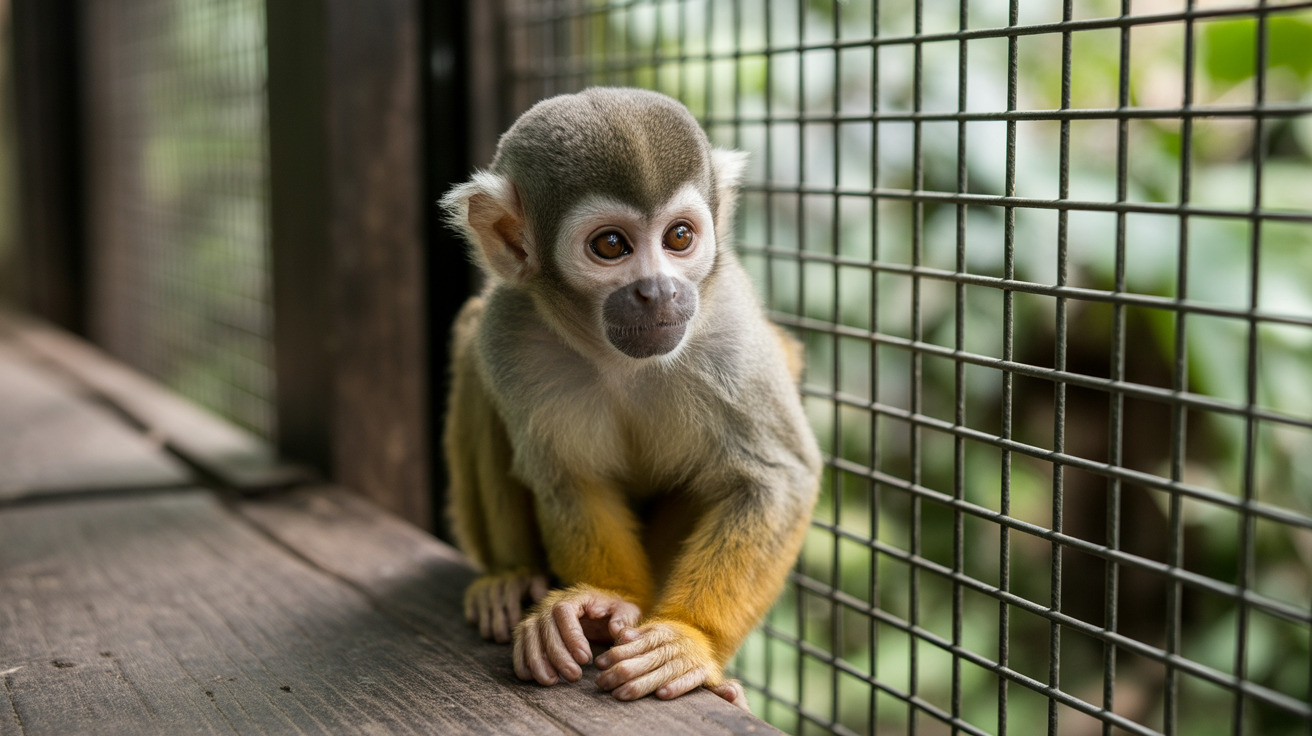
Recent research into animal intelligence has uncovered a fascinating discovery that bridges the gap between human and animal cognition: animals can indeed fall for magic tricks. A particularly compelling example involves a devastated squirrel monkey who became completely bewildered by a simple sleight-of-hand illusion, proving that the susceptibility to magical deception extends far beyond the human species.
This groundbreaking finding offers pet owners and animal enthusiasts new insights into how our companions perceive and process the world around them. Understanding animal perception through the lens of magic tricks not only entertains but also reveals the sophisticated cognitive processes that animals possess, making it relevant for anyone interested in deepening their connection with their pets.
Understanding Animal Perception Through Magic
The study of magic tricks for animals opens up remarkable windows into animal cognition. When animals fall for illusions, it demonstrates that they form expectations about how the world should work – much like humans do. This suggests a level of cognitive sophistication that many pet owners intuitively recognize in their daily interactions with their animals.
The French drop magic trick, which involves making an object appear to vanish from one hand while secretly retaining it in the other, has proven particularly effective with various animal species. This classic sleight-of-hand illusion works because it exploits the natural tendency to track objects with visual attention, a trait shared across many species.
Primate Cognition and Magical Deception
Primate cognition research has shown that our closest evolutionary relatives are especially susceptible to certain types of animal deception. The devastated squirrel monkey mentioned in recent observations perfectly illustrates this phenomenon. When presented with a vanishing object trick, the monkey displayed clear signs of confusion and distress, searching frantically for the "disappeared" item.
This reaction indicates that primates form mental models of object permanence – the understanding that objects continue to exist even when out of sight. When magic tricks violate these expectations, it creates the same sense of wonder and confusion that humans experience.
Bird Cognition and Visual Illusions
Bird cognition studies have revealed that our feathered friends are also susceptible to animal cognitive illusions. Many bird species, particularly those known for their intelligence like corvids and parrots, show similar responses to magic tricks. Their keen visual attention and problem-solving abilities make them ideal subjects for understanding how different species process unexpected events.
Pet bird owners might recognize similar behaviors when their birds encounter novel situations or when objects are moved in unexpected ways during play or training sessions.
The Role of Embodied Cognition in Animal Motor Skills
Embodied cognition research suggests that an animal's physical capabilities directly influence how they perceive magic tricks. Animals with highly developed animal motor skills, particularly those that use their hands or paws for manipulation, seem more susceptible to hand-based illusions.
This connection between physical abilities and cognitive processing helps explain why some animals are more easily fooled by certain types of tricks than others. For pet owners, this understanding can inform enrichment activities that challenge their animals' cognitive abilities in positive ways.
Animal Expectations and Attention
The study of animal attention reveals that animals, like humans, have predictable patterns of focus that magicians can exploit. When an animal's attention is directed to one location while the actual manipulation occurs elsewhere, the illusion becomes effective.
Understanding these attention patterns can help pet owners create engaging puzzle toys and enrichment activities that challenge their animals' problem-solving abilities without causing distress.
Practical Implications for Animal Psychology
This research in animal psychology has practical applications for pet care and training. Understanding how animals process unexpected events can help owners create more effective training programs and enrichment activities. It also provides insights into how animals experience their environment and form expectations about cause and effect.
Frequently Asked Questions
Do all animals fall for magic tricks?
Not all animals respond to magic tricks in the same way. The effectiveness depends on the species' cognitive abilities, visual acuity, and natural behaviors. Animals with higher intelligence and better object-tracking skills tend to be more susceptible to certain illusions.
Can I safely perform magic tricks for my pet?
Simple, gentle illusions using treats or toys can be entertaining for pets, but always ensure the tricks don't cause stress or anxiety. Monitor your pet's reaction and stop if they show signs of distress.
What does this research tell us about animal intelligence?
This research demonstrates that animals form complex expectations about their environment and can experience surprise when those expectations are violated, indicating sophisticated cognitive processing similar to humans.
Conclusion
The discovery that animals fall for magic tricks provides fascinating insights into animal intelligence and cognition. From the bewildered squirrel monkey to responsive bird species, these studies reveal the sophisticated mental processes that animals use to navigate their world.
For pet owners, this research reinforces the importance of mental stimulation and cognitive enrichment in animal care. Understanding how our pets perceive and process their environment helps us become better companions and caretakers, creating stronger bonds through shared experiences of wonder and discovery.




