
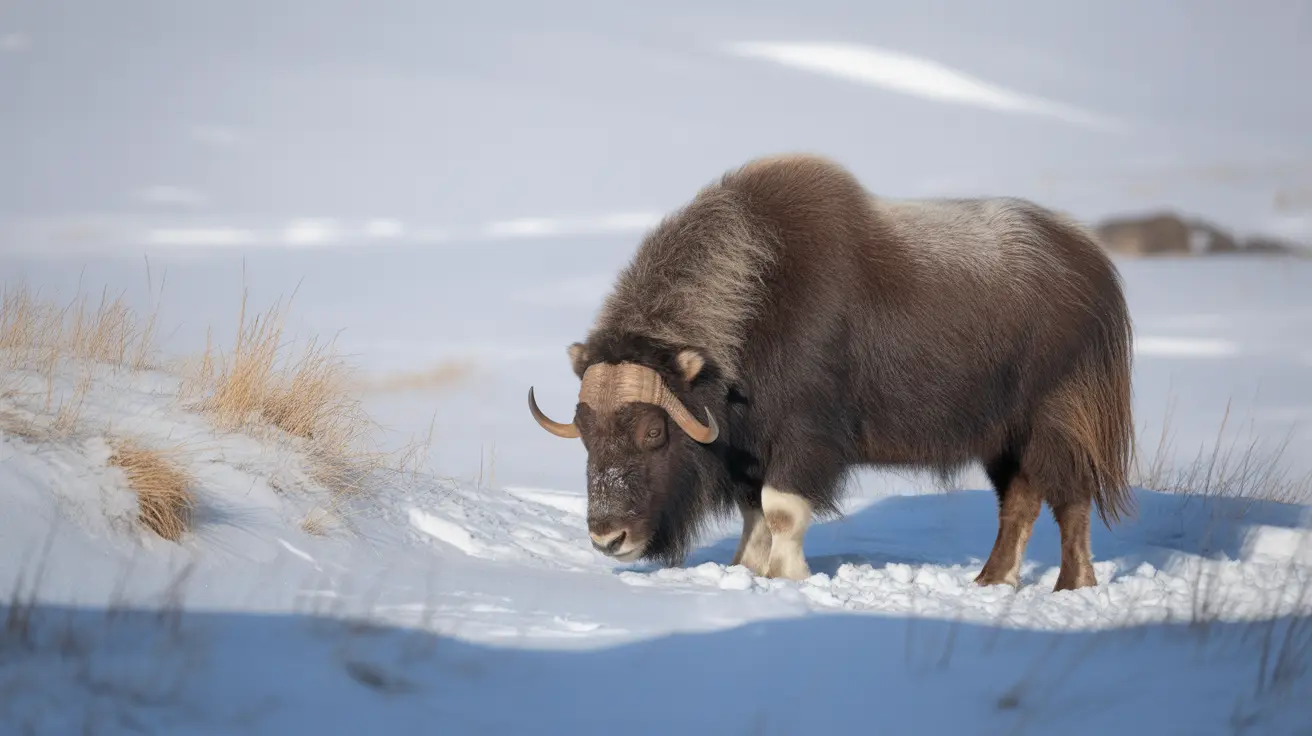
Alaska Wildlife Conservation Center Christmas Tree Donations Turn Holiday Trees Into Animal Enrichment
The Alaska Wildlife Conservation Center (AWCC) is transforming post-holiday cleanup into meaningful conservation action by accepting Christmas tree donations for animal enrichment. This innovative program gives pet owners and families an eco-friendly way to recycle their real Christmas trees while providing wildlife with engaging play opportunities and environmental stimulation.
Rather than sending used Christmas trees to landfills, the AWCC's donation program creates a win-win situation for both the environment and the animals in their care. The initiative highlights how simple community contributions can support wildlife conservation efforts while addressing the annual challenge of Christmas tree disposal.
How Christmas Tree Animal Enrichment Benefits Wildlife
Donated Christmas trees serve multiple purposes for the animals at AWCC. The evergreen branches provide natural scenting opportunities, allowing animals to explore new textures and aromas that stimulate their senses. For many species, the trees offer climbing structures, hiding spots, and interactive play objects that encourage natural behaviors.
The program particularly benefits species like goats, deer, and kangaroos, which can safely browse on certain parts of the trees. The needles and branches provide dietary variety and foraging opportunities that mirror what these animals would encounter in their natural habitats. This type of environmental enrichment is crucial for maintaining the physical and mental health of animals in captivity.
Safe Christmas Trees for Animals: What You Need to Know
Not all Christmas trees are suitable for animal enrichment programs. To ensure the safety of the wildlife, AWCC requires that donated trees be completely undecorated real Christmas trees. All ornaments, tinsel, lights, garland, and artificial snow must be removed before donation.
The trees should also be free from any chemical treatments, artificial preservatives, or fire retardants that could harm the animals. Fresh-cut trees are preferred, as they maintain better nutritional value and are less likely to have dried to the point where they could cause injury.
Zoo Christmas Tree Recycling Programs Across the Country
AWCC's initiative reflects a growing trend among wildlife sanctuaries, zoos, and conservation centers nationwide. These post-holiday tree recycling ideas have gained popularity as institutions recognize the dual benefit of providing animal enrichment while promoting environmental sustainability.
Many facilities have established community Christmas tree drop-off programs during the weeks following the holidays. These programs not only reduce waste but also engage the public in conservation efforts, creating educational opportunities about wildlife care and environmental responsibility.
Environmental Benefits of Recycling Christmas Trees
Turning Christmas trees into animal habitat represents just one of many sustainable ways to dispose of Christmas trees. When trees end up in landfills, they contribute to methane production as they decompose. By redirecting them to wildlife facilities, communities can significantly reduce their environmental impact.
The organic matter from the trees eventually decomposes naturally within the animal habitats, enriching the soil and supporting plant growth. This creates a closed-loop system that benefits both the immediate environment and the broader ecosystem.
Getting Involved in Your Community
Pet owners interested in supporting similar programs should contact their local zoos, wildlife sanctuaries, and conservation centers to inquire about Christmas tree donation opportunities. Many facilities appreciate community involvement and may offer additional ways for families to contribute to animal welfare throughout the year.
Beyond Christmas trees, many wildlife centers accept donations of other natural materials like pumpkins, gourds, and branches that can provide ongoing enrichment opportunities for their animals.
Frequently Asked Questions
Can I donate my used Christmas tree to the Alaska Wildlife Conservation Center, and how do I do it?
Yes, AWCC accepts donations of undecorated real Christmas trees for animal enrichment. Contact the center directly to arrange drop-off times and locations, as they may have specific guidelines for when and where donations are accepted during the post-holiday season.
What kind of Christmas trees are safe to donate for animal enrichment (and what must be removed first)?
Only fresh, real Christmas trees that are completely undecorated are safe for donation. You must remove all ornaments, lights, tinsel, garland, tree toppers, and any artificial snow or chemical preservatives before bringing the tree to the facility.
How do donated Christmas trees benefit the animals at AWCC and other wildlife parks?
Christmas trees provide sensory enrichment through new scents and textures, create climbing structures and hiding spots, and offer safe browsing opportunities for species like goats, deer, and kangaroos. This enrichment encourages natural behaviors and supports both physical and mental health.
Are Christmas trees safe for animals to eat, and which species can safely nibble on the branches or needles?
Certain species like goats, deer, and some other herbivores can safely browse on untreated evergreen trees. However, the safety depends on the species, the type of tree, and whether it's been treated with chemicals. Wildlife centers carefully monitor which animals have access to browse on donated trees.
What are some eco-friendly ways to recycle my real Christmas tree if I can't bring it to a wildlife center or zoo?
Alternative eco-friendly options include municipal composting programs, using trees for garden mulch, creating wildlife habitat in your own yard, or participating in community tree collection events. Many cities offer curbside pickup programs that turn trees into mulch for public parks and gardens.




