The Bay Beach Wildlife Sanctuary in Green Bay, Wisconsin, is celebrating a remarkable milestone—90 years of dedicated service to the community and countless injured and orphaned animals. This incredible journey began in 1934, making it one of the longest-operating wildlife rehabilitation centers in the state and a testament to the enduring commitment to animal welfare and environmental education.
For nine decades, this free wildlife sanctuary has served as a beacon of hope for Wisconsin's native wildlife while providing invaluable nature education programs to visitors of all ages. The sanctuary's longevity speaks volumes about its vital role in the community and its unwavering dedication to wildlife conservation efforts.
A Legacy of Wildlife Rehabilitation Wisconsin Can Be Proud Of
The Bay Beach Wildlife Sanctuary has evolved significantly since its founding, transforming from a modest waterfowl rehabilitation facility into a comprehensive animal rehabilitation center. Over the years, the sanctuary has expanded its mission to encompass a wide range of native Wisconsin species, from injured raptors and mammals to orphaned songbirds and waterfowl.
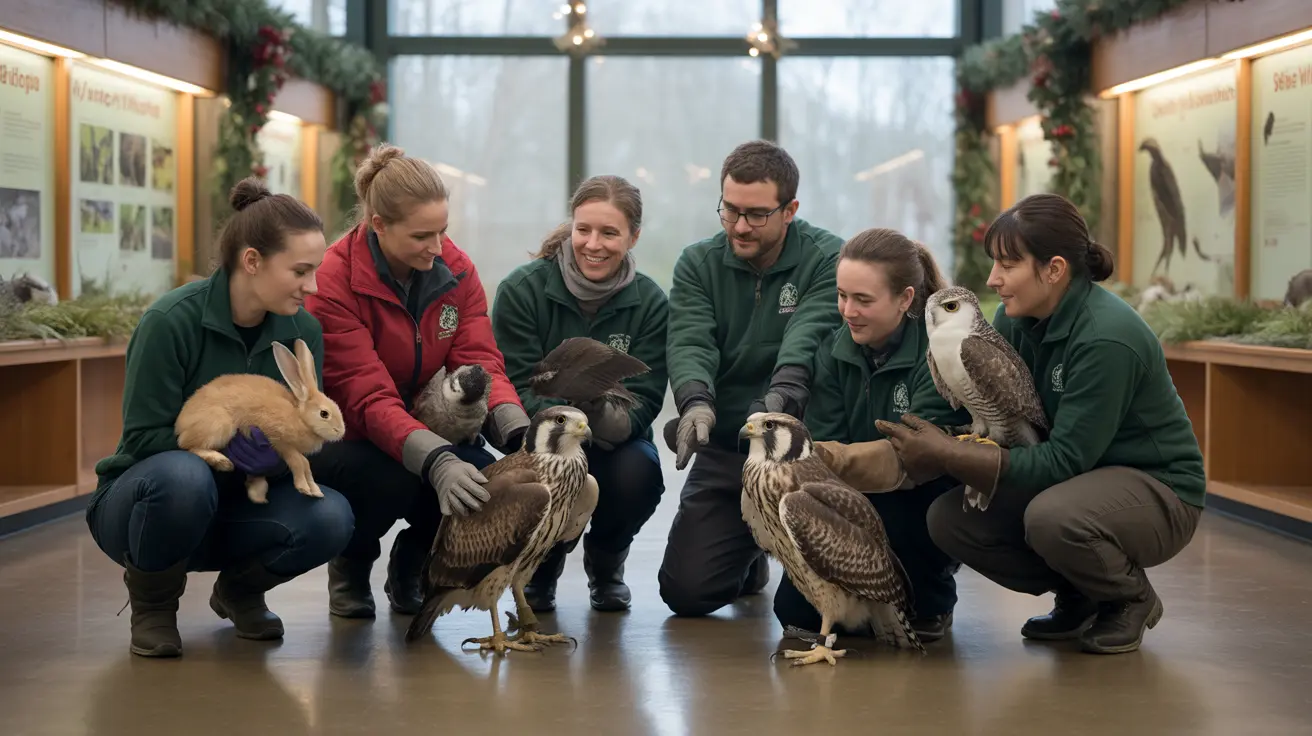
The facility's impact on local wildlife conservation cannot be overstated. Each year, the dedicated staff and volunteers work tirelessly to provide medical care, rehabilitation, and eventual release for hundreds of animals that might otherwise perish in the wild. This Green Bay animal sanctuary has become an essential resource for wildlife in distress throughout northeastern Wisconsin.
Comprehensive Injured Wildlife Rescue Services
The sanctuary's wildlife rehabilitation program addresses various scenarios that commonly affect wild animals. These include vehicle strikes, habitat destruction, severe weather impacts, and human-wildlife conflicts. The facility is equipped to handle both emergency situations and long-term care requirements for different species.
Beyond immediate medical intervention, the sanctuary focuses on providing appropriate rehabilitation environments that allow animals to maintain their wild instincts while recovering. This approach ensures that once released, the animals can successfully return to their natural behaviors and survival patterns.
Nature Education Programs and Community Engagement
Education has always been a cornerstone of the Bay Beach Wildlife Sanctuary's mission. The facility offers extensive environmental education programs designed to foster appreciation for Wisconsin's natural heritage. These programs serve schools, youth groups, and families, creating lasting connections between people and wildlife.
The sanctuary's nature trails Green Bay residents and visitors can explore provide hands-on learning opportunities about local ecosystems, wildlife behavior, and conservation challenges. These educational initiatives help build the next generation of wildlife stewards and environmental advocates.
Urban Wildlife Refuge in the Heart of Green Bay
As Green Bay has grown and developed over the past 90 years, the Bay Beach Wildlife Sanctuary has become an increasingly important urban wildlife refuge. The facility provides critical habitat connectivity in an otherwise developed landscape, serving as a safe haven for both resident and migratory species.
The sanctuary's location makes it an accessible destination for birdwatching Green Bay enthusiasts and nature lovers. The diverse habitats within the refuge support numerous bird species throughout the year, making it a premier location for wildlife observation and photography.
Animal Rehabilitation Volunteer Opportunities
The success of the Bay Beach Wildlife Sanctuary over nine decades has been built on the dedication of countless volunteers. The facility offers various animal rehabilitation volunteer opportunities for individuals passionate about wildlife conservation. These roles range from direct animal care assistance to educational program support and facility maintenance.
Volunteering at the sanctuary provides valuable hands-on experience for those considering careers in wildlife biology, veterinary medicine, or environmental education. Many former volunteers have gone on to establish successful careers in related fields, carrying forward the sanctuary's conservation message.
Frequently Asked Questions
What animals does Bay Beach Wildlife Sanctuary rescue and rehabilitate?
The Bay Beach Wildlife Sanctuary cares for a wide variety of native Wisconsin wildlife, including waterfowl, raptors such as hawks and owls, songbirds, small mammals, and other native species that have been injured, orphaned, or otherwise compromised. The facility specializes in providing appropriate medical care and rehabilitation services to help these animals return to the wild.
How can I visit Bay Beach Wildlife Sanctuary and what are the admission costs?
Bay Beach Wildlife Sanctuary is free to visit, making it accessible to all community members regardless of economic circumstances. The facility welcomes visitors year-round, though hours may vary seasonally. The sanctuary features nature trails, educational exhibits, and opportunities to observe native wildlife in naturalistic settings.
How many injured and orphaned animals does Bay Beach Wildlife Sanctuary care for each year?
While specific annual numbers may vary based on factors such as weather conditions, habitat changes, and wildlife population fluctuations, the sanctuary consistently treats hundreds of injured and orphaned animals each year. The facility's capacity and expertise have grown significantly over its 90-year history to meet increasing demand for wildlife rehabilitation services.
Looking Forward: The Next Chapter
As the Bay Beach Wildlife Sanctuary celebrates this significant milestone, its commitment to wildlife rehabilitation Wisconsin communities can depend on remains stronger than ever. The lessons learned and expertise gained over 90 years continue to inform best practices in animal care and environmental education.
This anniversary serves as a reminder of the vital role that dedicated facilities play in wildlife conservation and community education. The sanctuary's enduring success demonstrates that with proper support and community engagement, wildlife rehabilitation centers can make lasting positive impacts on both animal welfare and human understanding of our natural world.