
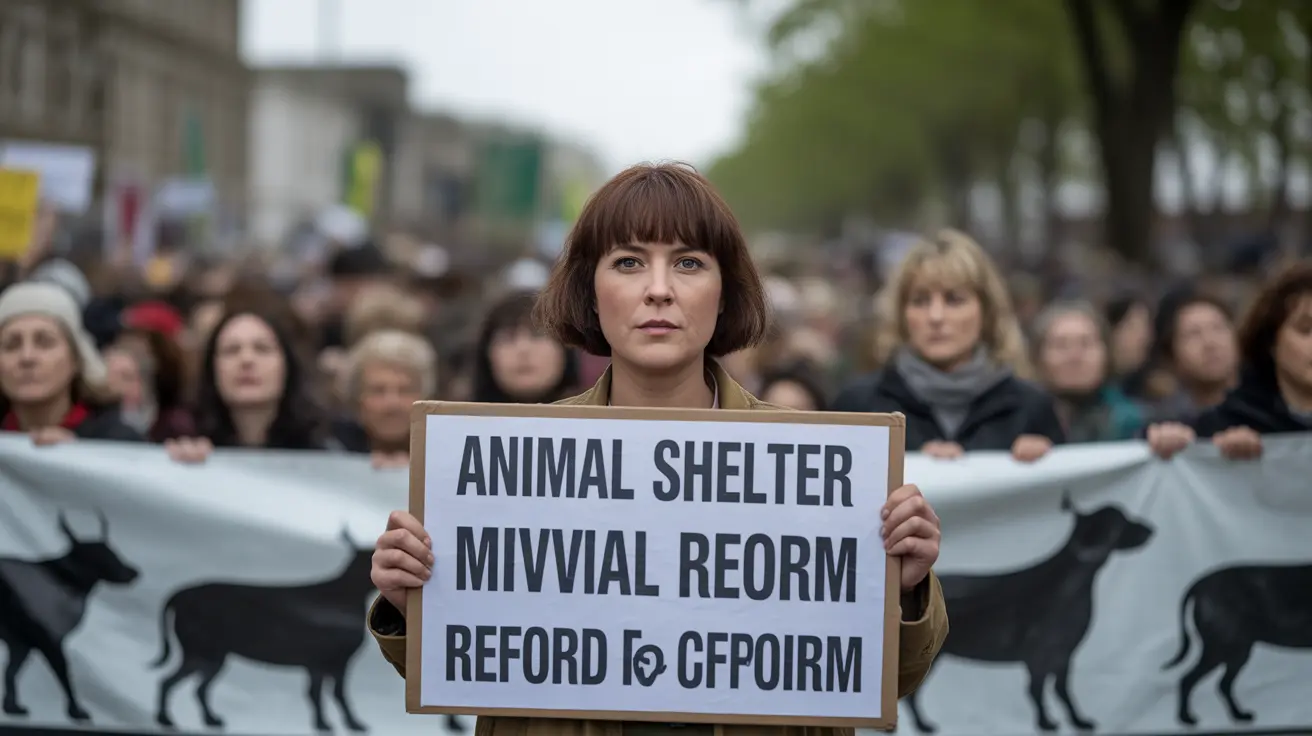
The Bell County Animal Shelter in Texas has come under intense public scrutiny after new documents revealed that 975 animals were euthanized in 2025, sparking outrage among animal welfare advocates and community members. This staggering number has prompted calls for immediate reform and a push to transform the facility into a no-kill shelter operation.
The controversy surrounding the Bell County Animal Shelter's euthanasia rates has galvanized local activists, rescue groups, and concerned citizens who are demanding transparency and systemic changes to protect the lives of vulnerable animals in the community. With nearly 1,000 animals losing their lives at this single facility, the situation has become a focal point for animal welfare reform efforts across Texas.
The Rally Movement for Change
In response to these alarming statistics, animal welfare advocates are organizing a rally next week to demand that the Bell County Animal Shelter transition to no-kill shelter operations. This grassroots movement represents a growing trend across the United States, where communities are pushing for more humane approaches to animal sheltering that prioritize life-saving measures over euthanasia.
The rally aims to bring together concerned pet parents, rescue volunteers, and community leaders who believe that the current euthanasia rates are unacceptable and preventable. No-kill shelters typically maintain a live release rate of 90% or higher, focusing on adoption, rescue partnerships, and comprehensive medical care to save as many animals as possible.
Understanding Animal Shelter Overcapacity Issues
High euthanasia rates in animal shelters often stem from overcrowding, limited resources, and inadequate adoption programs. When shelters exceed their capacity, difficult decisions about animal welfare become inevitable. However, successful no-kill initiatives have demonstrated that with proper community support, volunteer programs, and rescue partnerships, these numbers can be dramatically reduced.
Pet overpopulation remains a significant challenge in many Texas communities, making spay and neuter programs essential for long-term solutions. Additionally, robust adoption marketing, extended shelter hours, and community outreach can help connect homeless animals with loving families before euthanasia becomes the only option.
The Role of Community Support in Animal Welfare
Transforming a traditional shelter into a no-kill facility requires substantial community involvement and support. This includes increased adoption rates, foster programs, volunteer assistance, and partnerships with rescue organizations. When communities actively participate in animal welfare initiatives, shelters can focus resources on rehabilitation, medical care, and finding permanent homes rather than managing overcrowding through euthanasia.
Pet parents and animal lovers can contribute to positive change by adopting from local shelters, volunteering their time, donating supplies, and advocating for responsible pet ownership practices. These community-driven efforts create a network of support that enables shelters to save more lives and operate more effectively.
Moving Toward No-Kill Solutions
The no-kill movement represents a philosophical shift in animal sheltering that prioritizes comprehensive life-saving programs over population control through euthanasia. Successful no-kill shelters implement extensive medical programs, behavioral rehabilitation, and innovative adoption strategies to ensure that healthy and treatable animals find homes.
This approach requires collaboration between animal control services, rescue groups, veterinary professionals, and the community at large. By working together, these stakeholders can create systems that prevent animals from entering shelters unnecessarily while providing robust support for those that do need temporary care.
Frequently Asked Questions
Why were 975 animals euthanized at Bell County Animal Shelter in 2025?
The specific reasons behind the high euthanasia rates at Bell County Animal Shelter have prompted community outcry and calls for transparency. Common factors that contribute to high shelter euthanasia rates include overcrowding, limited adoption programs, insufficient rescue partnerships, and inadequate resources for medical care and behavioral rehabilitation.
When and where is the rally for Bell County Animal Shelter to become no-kill?
According to reports, a rally is scheduled for next week to advocate for transforming the Bell County Animal Shelter into a no-kill facility. The rally represents community efforts to address the concerning euthanasia statistics and push for reform in animal welfare practices.
What changes are advocates demanding for Bell County Animal Shelter?
Animal welfare advocates are calling for the Bell County Animal Shelter to transition to no-kill operations, which would involve implementing comprehensive life-saving programs, increasing adoption rates, expanding rescue partnerships, and prioritizing rehabilitation over euthanasia for healthy and treatable animals.
Conclusion
The revelation that 975 animals were euthanized at Bell County Animal Shelter in 2025 serves as a stark reminder of the ongoing challenges facing animal welfare in communities across America. However, the organized response from advocates and the planned rally demonstrate that positive change is possible when communities unite around a common cause.
As pet parents and animal lovers, we all have a role to play in creating more humane solutions for homeless animals. Whether through adoption, volunteering, advocacy, or simply spreading awareness, every action contributes to building a future where shelters can focus on saving lives rather than ending them. The Bell County situation may serve as a catalyst for meaningful reform that benefits animals throughout Texas and beyond.




