
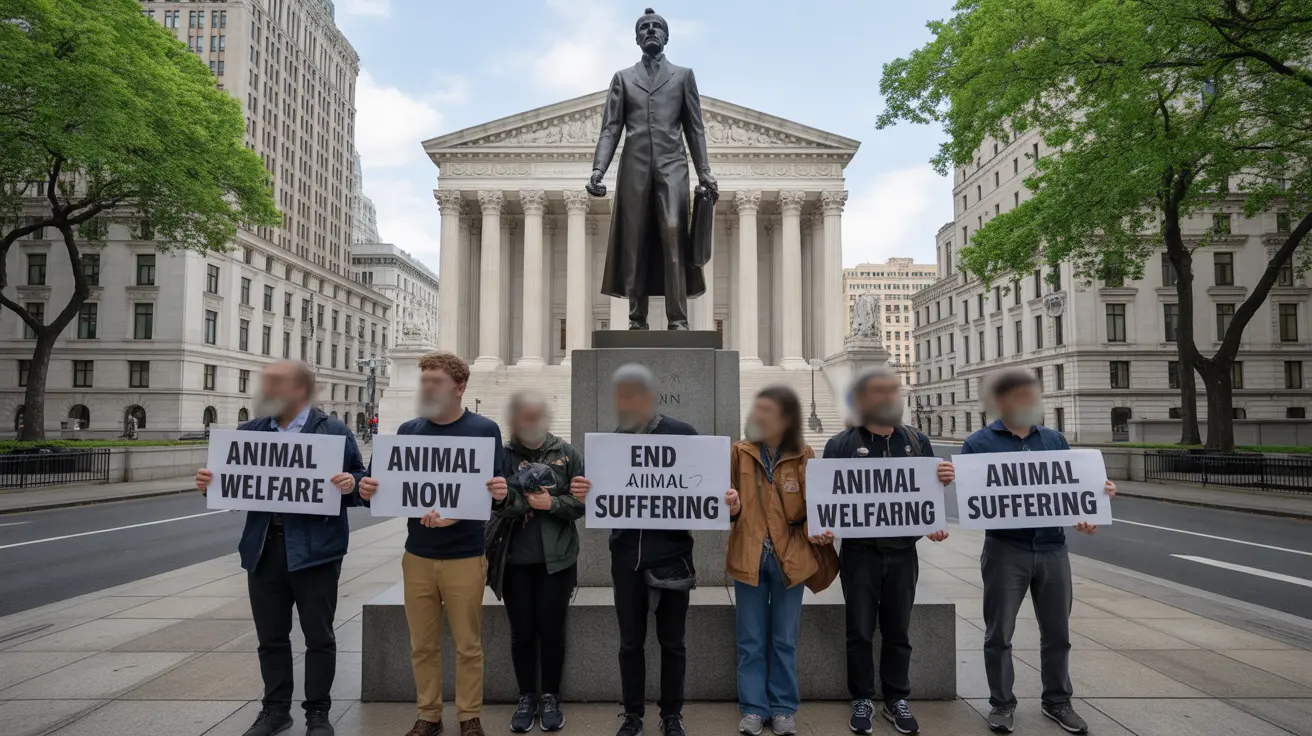
Bell County commissioners are taking decisive action to address animal welfare concerns by organizing a community rally to support the creation of a no-kill animal shelter. This initiative comes in response to troubling statistics showing that 975 animals were euthanized at the Bell County Animal Shelter in 2025, highlighting the urgent need for alternative approaches to animal care and population management.
The rally, planned for next week with local animal rescues, represents a collaborative effort to transform how Bell County handles homeless and surrendered pets. For pet owners and animal advocates in the region, this development signals a potential shift toward more humane and sustainable animal welfare practices.
Understanding the No-Kill Movement in Texas
The no-kill shelter movement has gained significant momentum across Texas as communities recognize that traditional high-euthanasia approaches are neither effective nor necessary for managing animal populations. No-kill shelters typically maintain a save rate of 90% or higher for healthy and treatable animals, focusing on comprehensive programs that include spay/neuter services, community outreach, and robust adoption initiatives.
When 975 animals face euthanasia in a single year, it indicates systemic challenges that extend beyond simple overcrowding. These numbers often reflect gaps in community education about responsible pet ownership, limited access to affordable veterinary care, and insufficient resources for rehabilitation and rehoming efforts.
Commissioner Louie Minor Leads Bell County Shelter Reform
The push for a no-kill animal shelter in Bell County demonstrates how local leadership can drive meaningful change in animal welfare. While specific details about Commissioner Louie Minor's involvement weren't provided, community-led initiatives like this rally typically focus on building public support and identifying sustainable funding sources for improved shelter operations.
Successful no-kill transitions require comprehensive planning that addresses staffing, facility improvements, veterinary care capacity, and partnership development with rescue organizations. The collaboration with local animal rescues suggests Bell County is taking a holistic approach to this transformation.
Belton Texas Animal Shelter Challenges and Solutions
Animal shelters in Texas face unique challenges including high stray populations, limited spay/neuter access in rural areas, and seasonal influxes of surrendered pets. The January 22, 2026 rally represents an opportunity for Bell County residents to learn about evidence-based solutions that have proven successful in other communities.
Pet owners can play a crucial role in reducing animal euthanasia by ensuring their pets are spayed or neutered, keeping identification current, and researching rehoming options before surrendering animals to shelters. Communities that successfully transition to no-kill models often see increased volunteer engagement and stronger partnerships between municipal shelters and rescue organizations.
Supporting Local Animal Welfare Organizations
Organizations like Happy Tail Rescue, Journey Home Rescue, and PAAW animal welfare represent the community partnerships essential for no-kill success. These groups typically provide foster networks, specialized medical care, and adoption services that complement municipal shelter operations.
When animal rescues and shelters work together effectively, they can significantly increase save rates while reducing the burden on any single organization. This collaborative approach has proven essential in communities that have successfully eliminated unnecessary euthanasia.
How Pet Owners Can Make a Difference
Beyond attending rallies and supporting policy changes, pet owners can contribute to reducing shelter populations through responsible pet care practices. This includes maintaining current identification tags and microchips, addressing behavioral issues early with professional training, and researching breed-specific needs before acquiring pets.
Emergency planning is equally important – having arrangements for pet care during family emergencies can prevent unnecessary surrenders. Many communities also benefit when pet owners become educated about local resources for temporary assistance during financial hardships.
Frequently Asked Questions
What happened to 975 animals at the Bell County Animal Shelter in 2025?
According to the provided information, 975 animals were euthanized at the Bell County Animal Shelter during 2025. This statistic has prompted commissioners to organize a rally supporting the development of a no-kill shelter to reduce future euthanasia numbers through alternative approaches to animal care and population management.
When and where is the Bell County no-kill shelter rally on January 22, 2026?
Bell County commissioners are planning a rally for next week with local animal rescues to support no-kill shelter efforts. While January 22, 2026, appears in the keywords, specific venue and timing details were not provided in the source material. Interested community members should contact Bell County offices for complete rally information.
Why is Commissioner Louie Minor pushing for a no-kill animal shelter in Bell County?
While specific quotes from Commissioner Louie Minor weren't provided, the initiative appears motivated by the high euthanasia numbers at the current shelter. No-kill approaches have proven successful in other Texas communities by focusing on comprehensive adoption programs, community partnerships, and preventive services rather than euthanasia as a population management tool.
How can pet owners support the Bell County no-kill shelter movement?
Pet owners can support no-kill initiatives by practicing responsible ownership, including spaying/neutering pets, maintaining current identification, and exploring all rehoming options before shelter surrender. Additionally, community members can volunteer with rescue organizations, attend public meetings about shelter policies, and advocate for increased funding for animal welfare programs.




