
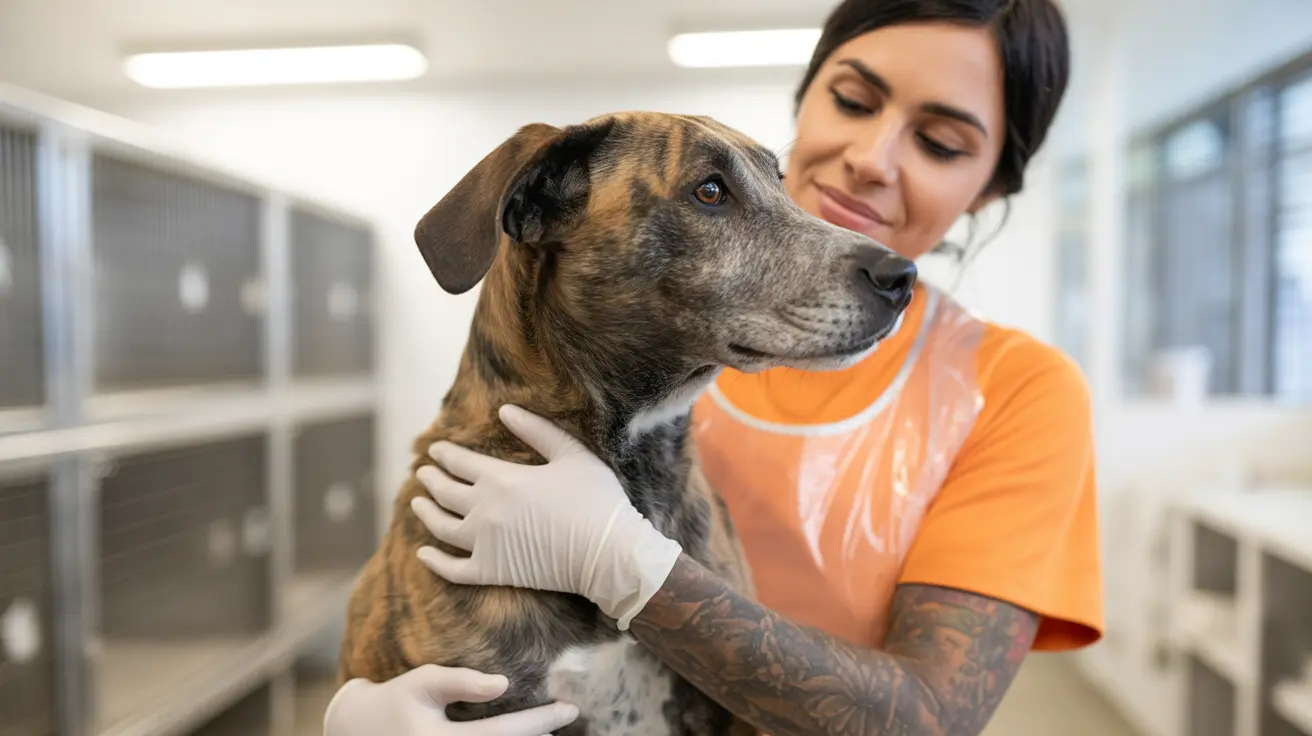
The Canadian Food Inspection Agency (CFIA) has announced that the Canada dog import ban affecting rescue dogs from countries with rabies risks will remain in effect indefinitely. Originally implemented as a temporary measure over three years ago, these rescue dog import restrictions Canada has maintained are now causing significant concerns among animal advocacy groups who argue that healthy animals from legitimate international rescue operations are being prevented from finding homes across the country.
The ongoing ban represents a complex intersection of public health policy and animal welfare concerns, affecting thousands of potential rescue dog adoptions while aiming to protect Canada's rabies-free status. Pet parents and rescue organizations continue to navigate these challenging regulations as they seek solutions for both animal welfare and disease prevention.
Understanding the CFIA Dog Import Policy
The rabies prevention dog imports policy was initially designed as a short-term response to health concerns, but has evolved into a long-term restriction affecting approximately 100 countries deemed high-risk for rabies transmission. The CFIA dog import policy specifically targets commercial rescue operations while maintaining certain exemptions for specific circumstances.
Under current regulations, importing rescue dogs Canada from affected countries requires navigating complex procedures that often prove prohibitive for rescue organizations. The policy aims to maintain Canada's status as a rabies-free country, a designation that requires vigilant monitoring of potential disease vectors, including imported animals.
Countries Banned Dog Imports Canada and Risk Assessment
The countries banned dog imports Canada list includes nations where rabies remains endemic in dog populations. This comprehensive list covers regions across multiple continents where rabies control measures may be less established or where surveillance systems cannot guarantee disease-free status.
The risk assessment considers factors including local rabies vaccination programs, disease surveillance capabilities, and documented cases of rabies in domestic animal populations. Countries with insufficient veterinary infrastructure or recent rabies outbreaks in dog populations typically remain on the restricted list.
Dog Import Exemptions Canada: Limited Options Available
While the ban is comprehensive, dog import exemptions Canada does provide include specific circumstances such as service dog import exemptions and certain personal pet relocations. These exemptions typically require extensive documentation and may include rabies titer test dogs requirements to demonstrate immunity levels.
Traveling with dog from high-risk country scenarios may qualify for exemptions if owners can provide comprehensive veterinary records, including vaccination histories and recent health certifications. However, these exemptions are evaluated case-by-case and often involve lengthy approval processes.
Impact on Animal Welfare Dog Importation Programs
Animal welfare dog importation advocates argue that the prolonged restrictions are creating unintended consequences for animal welfare. Dog rescue organizations Canada report that the ban has significantly reduced their ability to save animals from overcrowded shelters or dangerous situations in affected countries.
The restrictions have prompted many organizations to focus resources on Canadian shelter dog adoption alternatives, redirecting efforts toward domestic animal welfare programs. While this has benefited local animals, international rescue advocates worry about the welfare of animals in countries where rescue opportunities have been eliminated.
International Rescue Dog Adoption Canada: Current Challenges
For families seeking international rescue dog adoption Canada opportunities, the current landscape presents significant challenges. Many traditional rescue pipelines have been disrupted, forcing prospective pet parents to consider domestic alternatives or navigate complex exemption processes.
Rescue organizations have adapted by focusing on rabies-free dog import Canada options from approved countries, though these opportunities are more limited and often involve higher costs due to reduced supply chains and increased administrative requirements.
Frequently Asked Questions
Why did Canada ban importing rescue dogs from certain countries?
Canada implemented the ban to protect its rabies-free status and prevent potential disease transmission from countries where rabies remains endemic in dog populations. The policy aims to eliminate the risk of introducing rabies through imported rescue animals from high-risk regions.
Can I bring a rescue dog into Canada from a high-risk country if it has a rabies test?
Limited exemptions exist, including rabies titer testing requirements, but these apply primarily to personal pets rather than commercial rescue operations. Each case requires individual assessment and extensive documentation, with no guarantee of approval even with positive test results.
What exemptions exist for importing dogs into Canada under the current ban?
Current exemptions include service dogs, certain personal pet relocations, and specific research or breeding programs. These exemptions require comprehensive documentation, veterinary certifications, and often involve lengthy approval processes through CFIA evaluation.
Looking Forward: Balancing Health and Welfare Concerns
The continuation of Canada's dog import restrictions reflects ongoing tensions between public health protection and animal welfare advocacy. While the policy effectively maintains Canada's rabies-free status, it also highlights the need for balanced approaches that consider both disease prevention and humanitarian concerns for animals in need of rescue.
As the situation continues to evolve, pet parents interested in rescue adoption should explore domestic opportunities while staying informed about potential policy changes that might affect international rescue options in the future.




