
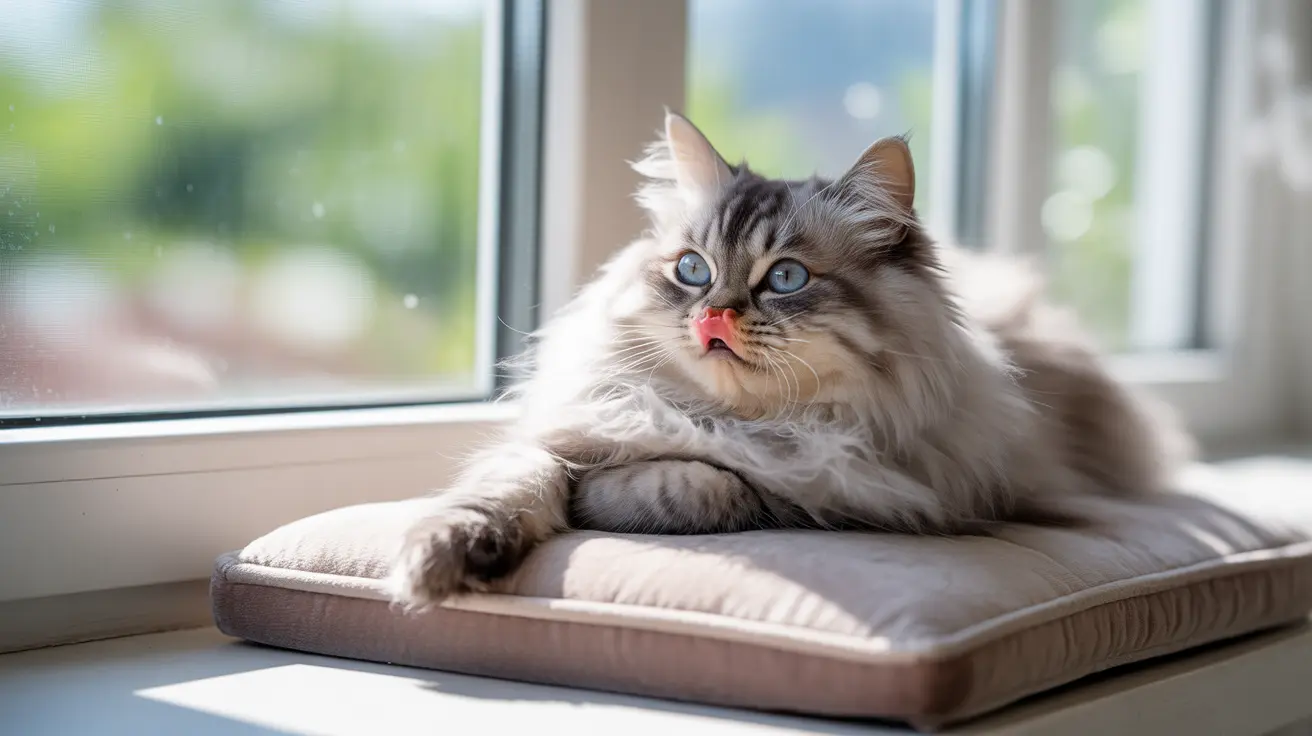
Healthy feline noses typically appear smooth, slightly moist, and free of crusts or lesions. A sudden shift to a dry, flaky, or swollen appearance should prompt closer inspection. Because cats are skilled at hiding discomfort, subtle changes—such as frequent pawing at the face, sneezing, or reduced appetite—can serve as early warnings. Understanding these signs allows owners to act quickly before a minor irritation develops into a painful or chronic condition.
Before assuming the worst, it’s important to consider environmental and behavioral factors. Cats that spend time outdoors, for instance, are more exposed to allergens, sunburn, and insect bites. Indoor cats, on the other hand, may suffer from dry air or contact allergies caused by cleaning products. Recognizing these distinctions helps narrow down possible causes and guides appropriate treatment strategies.
Common Causes of a Red or Raw Cat Nose
Several conditions can lead to redness or rawness on a cat’s nose, ranging from simple irritations to more serious infections. Environmental triggers are among the most frequent culprits. Prolonged sun exposure can cause sunburn, especially in light-colored cats with sparse fur around the nose. Similarly, exposure to harsh chemicals, scented litter, or cleaning sprays can irritate delicate nasal skin. Even frequent rubbing against rough surfaces or scratching due to itchiness can worsen the problem.
Allergies are another major factor. Cats can react to pollen, dust, certain foods, or even materials in their bedding. These allergic responses often cause inflammation, sneezing, and nasal discharge. Infections—whether bacterial, viral, or fungal—can also produce redness and sores. Conditions such as feline herpesvirus or calicivirus may lead to ulcerations around the nose and mouth, accompanied by respiratory symptoms. In some cases, parasites like mites can cause localized irritation and scabbing.
Less commonly, autoimmune disorders or skin cancers may manifest as persistent sores or discoloration on the nose. Squamous cell carcinoma, for instance, tends to affect cats with pale skin and prolonged sun exposure. Because these conditions can mimic minor irritations in their early stages, veterinary evaluation is essential for accurate diagnosis. Understanding the range of possible causes helps owners avoid self-diagnosis and ensures timely, effective care.
Diagnosis and Veterinary Evaluation
When a cat’s nose remains red or raw for more than a few days, a veterinary visit is strongly recommended. A veterinarian will begin with a thorough physical examination, checking for other symptoms such as nasal discharge, swelling, or lesions elsewhere on the body. They may ask about the cat’s environment, diet, and recent behavior to identify potential irritants or allergens. This holistic approach helps rule out simple causes before moving on to more complex testing.
Diagnostic tests can include skin scrapings, bacterial cultures, or viral panels to detect infections. In cases where an autoimmune condition or cancer is suspected, a biopsy may be performed. Blood tests can also reveal systemic issues that contribute to inflammation. These procedures allow veterinarians to pinpoint the exact cause rather than relying on guesswork, ensuring that treatment targets the root of the problem rather than just the symptoms.
Owners should prepare for the appointment by noting any changes in the cat’s habits, such as increased grooming, sneezing, or reduced appetite. Bringing photos of the nose’s progression can also help the veterinarian assess how quickly the condition developed. Once a diagnosis is made, the vet will recommend a treatment plan tailored to the cat’s specific needs, which may include medication, topical ointments, or environmental adjustments.
Treatment Options and Home Care
Treatment for a red or raw cat nose depends on the underlying cause. For mild irritations or sunburn, soothing ointments prescribed by a veterinarian can help restore the skin’s barrier and reduce inflammation. Cats with allergies may benefit from antihistamines, dietary changes, or air purifiers that minimize exposure to triggers. Infections often require antibiotics or antiviral medications, while fungal issues may need specialized antifungal treatments. It’s important never to apply human creams or medications without veterinary approval, as many substances safe for people are toxic to cats.
Environmental management plays a crucial role in recovery. Keeping the cat indoors during peak sunlight hours, using unscented cleaning products, and maintaining proper humidity levels can all reduce irritation. For cats prone to allergies, frequent washing of bedding and vacuuming can help remove allergens. Owners should also monitor their cat’s hydration and nutrition, as a healthy immune system supports faster healing and reduces recurrence.
- Apply only vet-approved topical treatments to avoid toxicity.
- Ensure the cat’s environment is free from harsh chemicals or strong fragrances.
- Provide shaded areas or limit sun exposure for light-colored cats.
- Maintain a balanced diet rich in omega fatty acids for skin health.
- Schedule follow-up visits to monitor healing progress.
Consistency is key to successful treatment. Even after visible improvement, continuing prescribed medications for the full duration prevents relapse. If symptoms worsen or new lesions appear, a follow-up examination is necessary to adjust the treatment plan. With attentive care, most cats recover fully and regain their normal, healthy appearance.
Preventing Future Nose Irritation
Prevention is always easier than treatment when it comes to feline skin health. Regular observation of your cat’s nose can help detect early signs of irritation before they escalate. Maintaining a clean, allergen-free environment is one of the most effective preventive measures. Avoid using scented candles, aerosol sprays, or strong detergents near your cat’s living area. For outdoor cats, applying pet-safe sunscreen recommended by a veterinarian can prevent sunburn and reduce the risk of skin cancer.
Nutrition also plays a vital role in maintaining healthy skin and mucous membranes. Diets rich in essential fatty acids, vitamins A and E, and adequate hydration support the body’s natural defenses. Regular grooming helps remove dust and debris that might irritate the nose, while routine veterinary checkups ensure that any emerging issues are caught early. Cats with a history of allergies or skin sensitivity may benefit from hypoallergenic diets or supplements designed to strengthen the skin barrier.
Behavioral enrichment can further reduce the risk of self-inflicted irritation. Cats that are bored or stressed may over-groom or rub their faces excessively, leading to redness or sores. Providing toys, scratching posts, and interactive playtime can minimize stress-related behaviors. By combining environmental care, proper nutrition, and emotional well-being, owners can significantly reduce the likelihood of recurring nasal problems.
A red or raw nose in cats is not merely a cosmetic issue—it’s a signal that something in the cat’s health or environment needs attention. From allergies and infections to sun exposure and autoimmune conditions, the causes vary widely, but timely diagnosis and treatment can make all the difference. By observing changes early, seeking veterinary advice, and maintaining a safe, supportive environment, pet owners can ensure their cats remain comfortable and healthy. Preventive care, balanced nutrition, and regular checkups are the best defenses against future flare-ups, helping every feline friend breathe easy and live well.
FAQ
Why does my cat’s nose suddenly look red?
A sudden change in nose color often indicates irritation or inflammation. This can result from environmental factors such as sun exposure, allergens, or contact with cleaning chemicals. In some cases, it may also signal an infection or allergic reaction. If the redness persists for more than a few days or is accompanied by swelling, discharge, or behavioral changes, a veterinary evaluation is recommended to rule out more serious conditions.
Can cats get sunburned on their noses?
Yes, cats—especially those with light-colored fur or pink noses—are susceptible to sunburn. The thin skin on the nose and ears offers little protection from ultraviolet rays. Prolonged exposure can cause redness, peeling, and even lead to skin cancer over time. Limiting outdoor activity during peak sunlight hours and using vet-approved pet sunscreen can help prevent sunburn and long-term damage.
How can I tell if my cat’s red nose is due to allergies?
Allergic reactions often present with additional symptoms such as sneezing, watery eyes, or itching. If your cat’s nose becomes red after exposure to certain foods, litter types, or environmental changes, allergies are a likely cause. Keeping a diary of potential triggers and discussing it with your veterinarian can help identify the allergen. Allergy testing or elimination diets may also be recommended for chronic cases.
Is it safe to use human ointments on my cat’s nose?
No, human ointments should never be used on cats unless specifically approved by a veterinarian. Many over-the-counter creams contain ingredients that are toxic to cats, such as zinc oxide or hydrocortisone. Instead, use only products prescribed or recommended by your vet. These are formulated to be safe for feline skin and will not cause harmful side effects if accidentally ingested during grooming.
What infections can cause a cat’s nose to become raw?
Several infections can lead to nasal irritation, including bacterial infections, feline herpesvirus, and calicivirus. These conditions often cause additional symptoms like sneezing, nasal discharge, or mouth ulcers. Fungal infections, though less common, can also affect the nasal area. Prompt veterinary care is essential to diagnose the specific pathogen and begin appropriate treatment, which may include antibiotics, antivirals, or antifungal medications.
Can stress cause my cat’s nose to become irritated?
Stress can indirectly contribute to nose irritation. Cats under stress may over-groom, rub their faces excessively, or develop weakened immune responses that make them more prone to infections. Creating a calm environment, providing enrichment, and maintaining consistent routines can help reduce stress-related behaviors. If stress seems to trigger physical symptoms, consult your veterinarian for behavioral and medical guidance.
How long does it take for a cat’s raw nose to heal?
Healing time depends on the underlying cause and the cat’s overall health. Minor irritations may improve within a few days once the irritant is removed, while infections or autoimmune conditions can take several weeks to resolve. Following the veterinarian’s treatment plan and preventing the cat from scratching or licking the area will speed recovery. Regular follow-up visits ensure that healing progresses as expected.
When should I take my cat to the vet for a red nose?
If redness lasts longer than three days, worsens, or is accompanied by swelling, bleeding, or behavioral changes, a veterinary visit is necessary. Persistent or severe symptoms may indicate infection, allergy, or even cancer. Early diagnosis allows for more effective treatment and prevents complications. It’s always better to err on the side of caution when it comes to visible changes in your cat’s skin or nose.
Can diet affect the health of my cat’s nose?
Yes, nutrition plays a significant role in skin and mucous membrane health. Diets rich in omega-3 and omega-6 fatty acids, vitamins A and E, and adequate hydration help maintain a strong skin barrier. Poor nutrition can make the skin more prone to dryness, irritation, and delayed healing. Consult your veterinarian about high-quality food options or supplements that support overall skin health and immune function.
What can I do to prevent my cat’s nose from becoming red again?
Prevention involves a combination of environmental control, proper nutrition, and regular monitoring. Keep your cat indoors during peak sunlight, use unscented cleaning products, and ensure good air quality. Regular grooming and vet checkups help detect early signs of irritation. For cats with known sensitivities, maintaining a hypoallergenic environment and consistent skincare routine can significantly reduce recurrence.




