
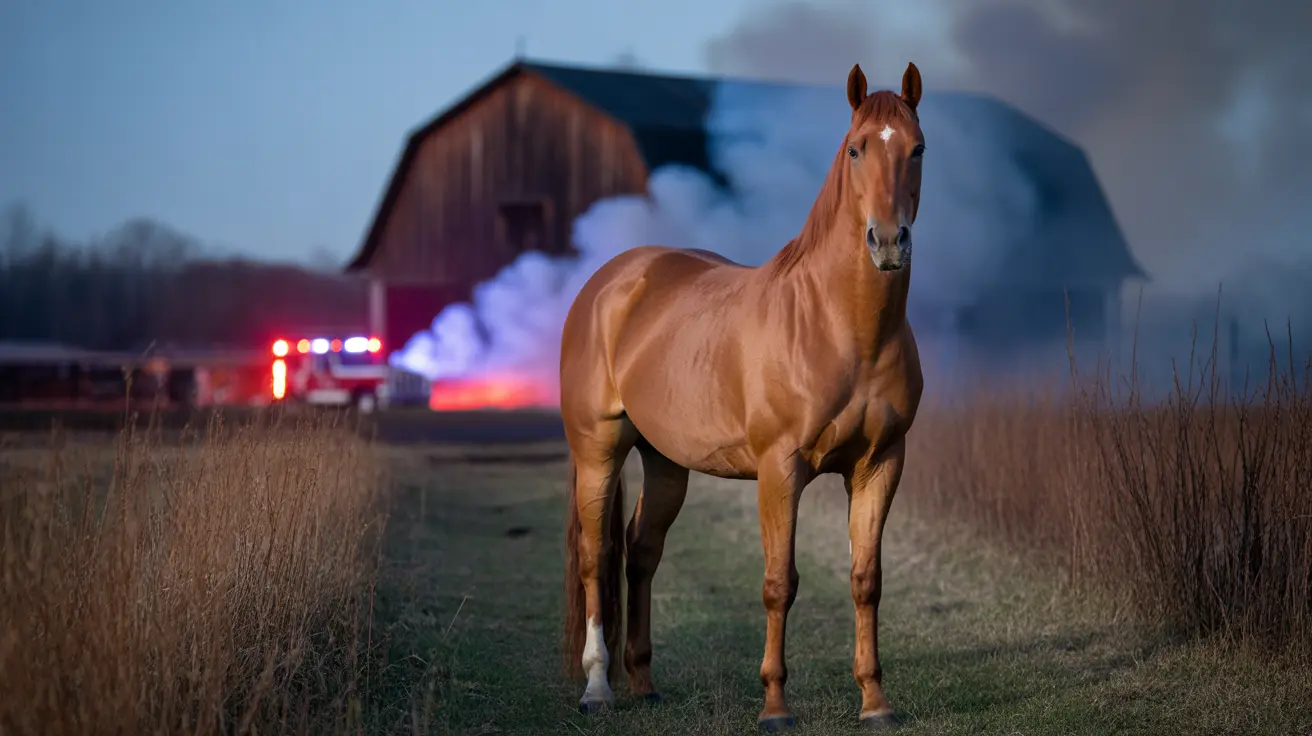
A tragic barn fire in upstate New York has left dozens of animals dead after flames rapidly consumed a farm structure late Monday night. The incident in Cayuga County serves as a stark reminder of the devastating impact agricultural fires can have on livestock and the farmers who care for them.
Barn fires represent one of the most serious threats facing agricultural operations across rural America. When flames take hold of these structures, the combination of combustible materials, confined animals, and often remote locations can lead to catastrophic outcomes for both livestock and farm owners.
The Reality of Agricultural Fire Statistics
Farm barn fires occur with alarming frequency across the United States, with the majority resulting in significant property damage and animal losses. These incidents often spread rapidly due to the presence of hay, straw, wood construction, and other highly flammable materials commonly stored in agricultural buildings.
The confined nature of barn environments means that once a fire starts, animals have limited escape routes. Unlike house fires where occupants can quickly evacuate, livestock may become trapped or disoriented by smoke and flames, making rescue efforts extremely challenging for farmers and first responders.
Common Causes of Barn Fires
Hay Spontaneous Combustion
One of the leading causes of agricultural barn fires is spontaneous combustion in improperly cured or stored hay. When hay is baled with excessive moisture content, bacterial activity generates heat that can eventually ignite the surrounding material. This process can occur weeks or even months after storage, making it a particularly insidious fire hazard.
Electrical System Failures
Faulty wiring, overloaded circuits, and aging electrical systems frequently contribute to barn fires. Rural agricultural buildings often rely on electrical systems that may not meet current safety standards, particularly in older structures that have been modified over time.
Heat Sources and Equipment
Space heaters, heat lamps for young animals, and other warming equipment pose significant fire risks when not properly maintained or positioned. Additionally, hot work such as welding or cutting can create sparks that ignite nearby combustible materials.
Firefighter Challenges Rural Barns Present
Rural farm fire safety incidents create unique challenges for emergency responders. Remote locations often mean longer response times, limited water sources, and difficult access for fire equipment. The large, open construction of many barns allows fires to spread rapidly through the structure before help arrives.
First responders must also contend with the presence of livestock, hazardous agricultural chemicals, and the potential for structural collapse in wooden barn fire situations. These factors can complicate rescue efforts and put both animals and human responders at risk.
Barn Fire Prevention Strategies
Proper Hay Storage Management
Farmers can significantly reduce fire risk by ensuring hay is properly cured before baling and storage. Monitoring moisture content and temperature in hay storage areas can help detect potential spontaneous combustion before it leads to ignition.
Electrical System Maintenance
Regular inspection and maintenance of electrical systems, including proper grounding and circuit protection, are essential for preventing barn fires on farms. Installing modern electrical components and avoiding extension cord overuse can dramatically reduce fire risk.
Fire Safety Equipment and Planning
Installing smoke detectors, fire extinguishers, and emergency lighting systems can provide early warning and response capabilities. Developing and practicing evacuation plans for both animals and humans ensures everyone knows how to respond in an emergency situation.
USDA Farm Fire Aid and Recovery
Following devastating farm fires, the USDA and other agricultural agencies often provide assistance programs to help farmers rebuild and recover. These programs may include low-interest loans, grants for rebuilding safer facilities, and support for replacing lost livestock.
Recovery from such incidents extends beyond immediate financial losses, as farmers must also cope with the emotional impact of losing animals under their care and rebuilding operations that may represent generations of family work.
Frequently Asked Questions
What causes most barn fires on farms and how can farmers prevent them?
The leading causes include hay spontaneous combustion, electrical failures, and heating equipment malfunctions. Prevention involves proper hay curing and storage, regular electrical maintenance, careful placement of heat sources, and installation of fire detection systems.
How quickly do barn fires spread and what challenges do rural firefighters face?
Barn fires can spread extremely rapidly due to combustible materials like hay and wood construction. Rural firefighters face challenges including longer response times, limited water access, remote locations, and the complexity of rescuing trapped livestock while managing structural fire risks.
What fire safety measures and best practices should farms adopt to protect animals?
Key measures include installing smoke detection systems, maintaining clear evacuation routes for animals, proper storage of flammable materials away from heat sources, regular electrical inspections, and developing emergency response plans that include both animal and human safety protocols.
Moving Forward After Tragedy
The Cayuga County barn fire serves as a sobering reminder that fire safety must be a top priority for all agricultural operations. While we cannot eliminate all risks, implementing proper prevention strategies and safety measures can significantly reduce the likelihood of such devastating losses.
For farm families and rural communities, these incidents underscore the importance of mutual support and preparedness. By sharing knowledge about fire prevention and maintaining strong emergency response networks, agricultural communities can work together to protect both livestock and the farmers who dedicate their lives to caring for them.




