
Ukraine Animal Evacuation Efforts Continue Despite Dangers
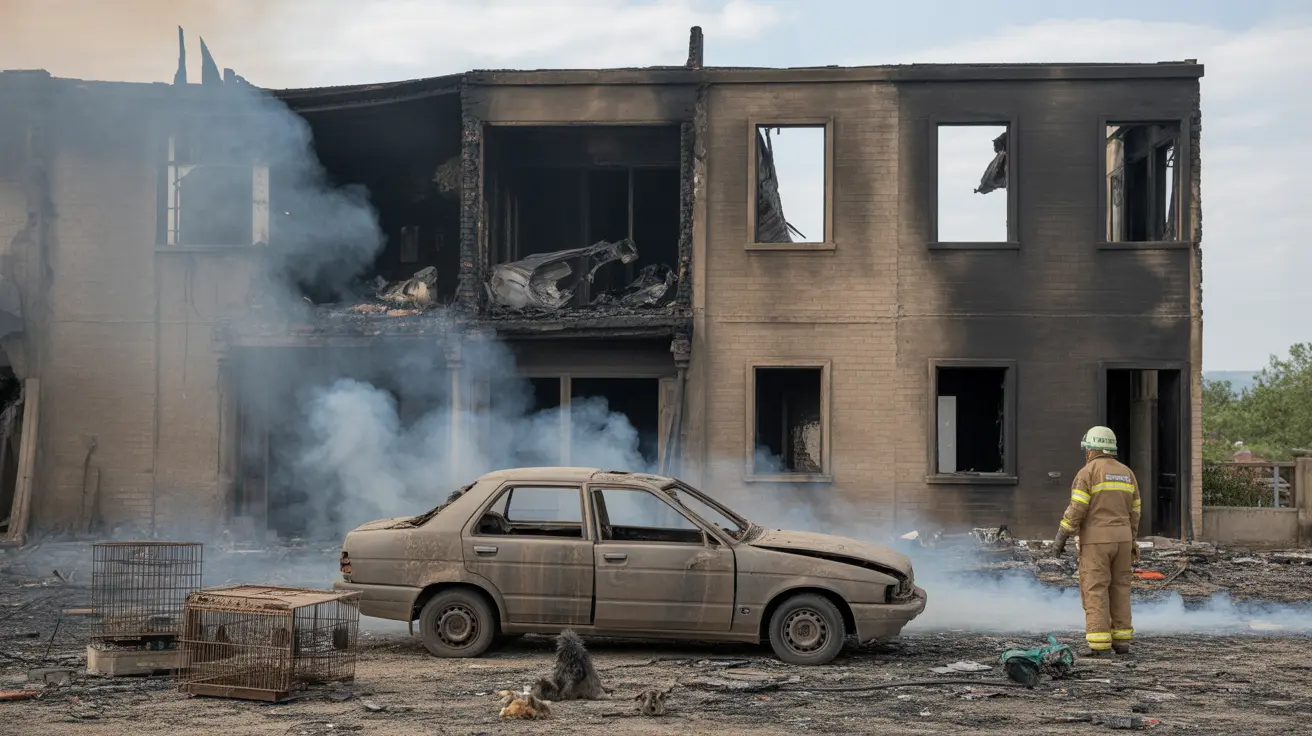
The State Emergency Service of Ukraine has documented extensive rescue operations following the devastating strike on the veterinary facility. Emergency responders worked tirelessly to locate and evacuate surviving animals from the damaged clinic, showcasing the remarkable commitment to animal welfare that has characterized Ukraine's response throughout the conflict.
These evacuation efforts require specialized training and equipment, as rescuers must navigate unstable structures while handling frightened and potentially injured animals. The emotional toll on both rescue workers and pet owners cannot be understated, as many families have lost beloved companions in such attacks.
War Zone Pet Rescue Operations Face Growing Challenges
Pet rescue operations in active conflict zones present unique challenges that rescue teams must overcome daily. Animals trapped in rubble may be severely traumatized, making evacuation efforts more complex and dangerous for both the animals and their rescuers. The unpredictable nature of ongoing attacks means that rescue windows are often limited, requiring swift and coordinated responses.
Professional rescue teams have developed specialized protocols for extracting pets from damaged buildings, including the use of thermal imaging to locate animals and careful structural assessment to ensure rescuer safety. These operations often require veterinary professionals on-site to provide immediate medical attention to injured animals.
Russian Missile Strike Animals: A Pattern of Civilian Infrastructure Targeting
The attack on the Chabany veterinary clinic represents part of a broader pattern of strikes affecting civilian infrastructure throughout Ukraine. Animal shelters, veterinary clinics, and pet care facilities have faced repeated targeting, disrupting essential services for Ukraine's pet population and creating cascading humanitarian concerns.
When veterinary facilities are destroyed, pet owners lose access to critical medical care, vaccinations, and emergency services. This disruption affects not only individual pet health but also community-wide animal welfare and public health initiatives.
Pet Shelters Destroyed Ukraine: Supporting Displaced Animals
The destruction of animal care facilities has created an urgent need for alternative shelter solutions and support networks. Temporary animal housing facilities have emerged throughout safer regions of Ukraine, staffed by volunteers and supported by international animal welfare organizations.
Pet owners fleeing affected areas often face the heartbreaking decision of whether to evacuate with their animals or leave them behind due to transportation limitations or safety concerns. Emergency animal transport networks have developed to help reunite separated families and provide temporary care for displaced pets.
Animal Welfare Ukraine War: Long-term Impact and Recovery
The long-term implications of repeated attacks on animal care infrastructure extend far beyond immediate casualties. Rebuilding veterinary services, restoring animal welfare programs, and addressing the psychological trauma experienced by both animals and their human companions will require sustained effort and resources.
Recovery efforts must address not only the physical reconstruction of facilities but also the restoration of professional networks, medical supply chains, and community trust in animal care services. The resilience shown by Ukraine's animal welfare community provides hope for eventual recovery and rebuilding.
Frequently Asked Questions
What happened to the animals in the veterinary clinic strike in Chabany, Ukraine?
A Russian missile strike on April 3, 2026, hit a veterinary clinic in Chabany, Kyiv region, resulting in dozens of animal deaths. The State Emergency Service of Ukraine conducted evacuation operations to rescue surviving animals from the damaged facility.
How are rescue teams evacuating pets from rubble after airstrikes?
Emergency responders use specialized equipment and protocols to locate animals in damaged structures, including thermal imaging and careful structural assessment. Veterinary professionals provide on-site medical attention while rescue teams work to safely extract trapped animals.
How can I protect my pets during missile or drone attacks in war zones?
Pet owners in conflict zones should prepare emergency kits with food, water, medications, and carriers for quick evacuation. Identify safe areas within homes, practice evacuation routes with pets, and maintain contact with local animal welfare organizations for emergency assistance and shelter information.
Moving Forward: Hope Amid Tragedy
While the Chabany vet clinic attack represents a tragic loss of innocent animal lives, it also demonstrates the unwavering commitment of Ukraine's emergency services and animal welfare community to protecting vulnerable pets during impossible circumstances. The continued dedication to animal rescue operations, even amid ongoing danger, provides a powerful reminder of the enduring bond between humans and their animal companions.
As communities work to rebuild and recover, the lessons learned from these rescue operations will help strengthen future emergency response protocols and ensure better protection for animals caught in conflict zones worldwide.




