
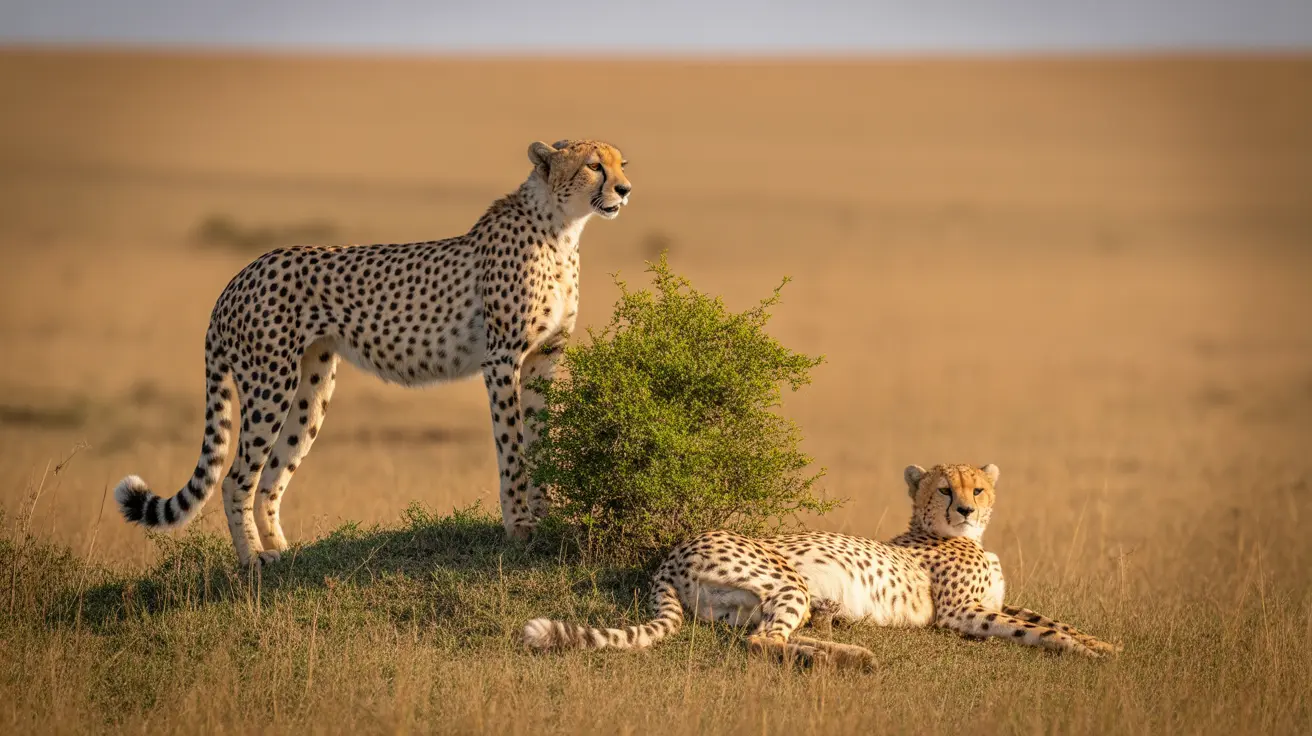
For 35 years, American zoologist Dr. Laurie Marker has been quietly building one of wildlife conservation's most innovative lifelines: a comprehensive cheetah sperm bank in Namibia. This groundbreaking cheetah conservation effort represents a crucial backup plan for preserving the world's fastest land animal, as wild populations continue to face mounting threats across Africa.
The Cheetah Conservation Fund (CCF), established by Dr. Marker in Namibia, has been methodically collecting and storing genetic material from cheetahs, creating what conservationists hope will never need to be used. Yet this frozen zoo for cheetahs stands as a testament to both scientific foresight and the urgent reality facing one of nature's most magnificent predators.
The Critical State of Cheetah Population in the Wild
The cheetah population wild numbers tell a sobering story. These iconic spotted cats have experienced dramatic population declines, making every conservation effort critical for their survival. The genetic diversity crisis among cheetahs compounds the challenge, as the species faces natural breeding limitations that have persisted for thousands of years.
Dr. Marker's work in Namibia addresses not just immediate conservation needs but also long-term genetic sustainability. The cheetah sperm bank serves as a genetic repository that could prove invaluable for future breeding programs and species recovery efforts.
Understanding Cheetah Threats from Farmers and Human-Wildlife Conflict
One of the most significant challenges to cheetah conservation stems from conflicts between cheetahs and local farming communities. Cheetah threats from farmers primarily arise when these predators target livestock, leading to retaliatory killings. This human-wildlife conflict has been a major driver of population decline across cheetah habitats.
The Cheetah Conservation Fund has developed innovative solutions to address these conflicts, recognizing that successful conservation must work for both wildlife and local communities. Their approach demonstrates how science-based conservation can create win-win scenarios for all stakeholders.
Innovative Solutions: Livestock Guarding Dogs and Community Programs
Among the most successful initiatives in Namibia cheetah protection has been the introduction of livestock guarding dogs for cheetahs. These specially trained dogs protect livestock herds without harming cheetahs, dramatically reducing the need for farmers to eliminate predators.
The CCF Namibia reserve serves as both a research facility and a demonstration site, showing local communities how coexistence with cheetahs is possible. This practical approach to conservation has proven effective in reducing cheetah killings while maintaining agricultural productivity.
Addressing Cheetah Breeding Challenges Through Science
Cheetah breeding challenges extend beyond habitat loss and human conflict. The species suffers from extremely low genetic diversity, a result of population bottlenecks that occurred thousands of years ago. This genetic uniformity makes cheetahs particularly vulnerable to disease and reduces reproductive success rates.
The frozen zoo initiative addresses these challenges by preserving genetic material from genetically diverse individuals. While cheetah artificial insemination techniques continue to improve, having this genetic repository ensures that valuable bloodlines won't be lost forever.
The Future of Cheetah Conservation
The work being done to save cheetahs in Namibia represents a comprehensive approach to species conservation. By combining cutting-edge reproductive technology with community-based conservation programs, the Cheetah Conservation Fund demonstrates how modern conservation must adapt to address multiple threats simultaneously.
The cheetah extinction risk remains real, but initiatives like Dr. Marker's sperm bank provide hope. These efforts buy precious time while other conservation strategies work to address habitat protection, human-wildlife conflict resolution, and population management.
Frequently Asked Questions
Why did Dr. Laurie Marker create a cheetah sperm bank in Namibia?
Dr. Marker established the cheetah sperm bank as a genetic insurance policy for the species. Given the declining wild populations and genetic challenges facing cheetahs, preserving genetic material ensures that valuable bloodlines can be maintained for future conservation and breeding efforts, even if wild populations face further declines.
How many cheetahs are left in the wild, and what are the biggest threats to their survival?
Wild cheetah populations have declined dramatically, with habitat loss, human-wildlife conflict, and genetic diversity issues representing the primary threats. Conflicts with farmers over livestock predation have been particularly devastating, leading to retaliatory killings that further reduce already vulnerable populations.
What is the Cheetah Conservation Fund, and how does it help protect cheetahs from farmers?
The Cheetah Conservation Fund uses innovative approaches like livestock guarding dogs to reduce conflicts between cheetahs and farmers. By providing alternative solutions that protect livestock without harming cheetahs, CCF has successfully reduced retaliatory killings while maintaining agricultural productivity in local communities.
Dr. Marker's decades-long commitment to cheetah conservation demonstrates how scientific innovation, community engagement, and forward-thinking preservation strategies can work together to protect endangered species. While we hope the frozen genetic repository will never be needed, its existence provides a crucial safety net for one of Africa's most iconic predators.




