
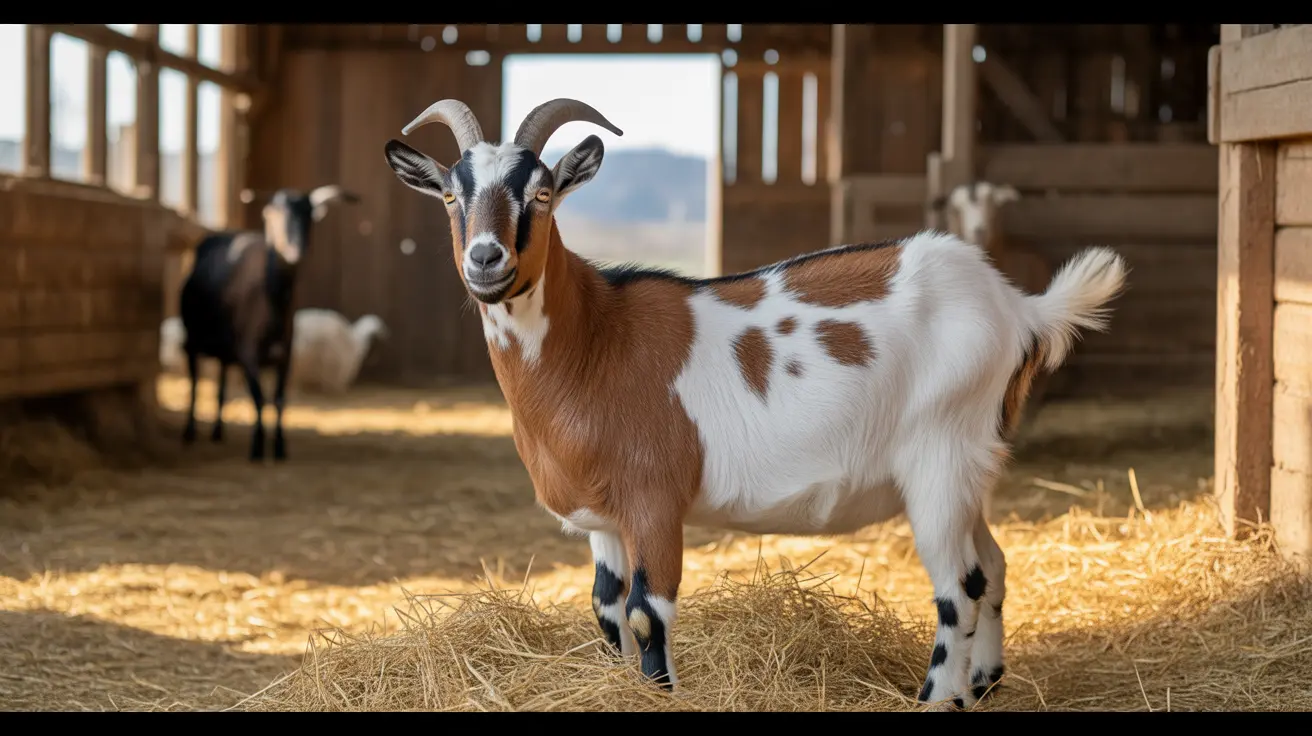
As winter storms sweep across the country, bringing record-breaking snowfall and freezing temperatures, farmers and animal sanctuaries face the critical challenge of keeping their livestock safe and healthy. Recent rescue efforts by Lancaster Farm Sanctuary volunteers, who responded to save a turkey just days before a major January storm that dumped up to 13 inches of snow in Lancaster County, highlight the urgent need for proper cold weather livestock care during extreme weather events.
For farmers and animal caretakers, winter weather protection isn't just about comfort—it's about preventing life-threatening conditions like hypothermia and frostbite in farm animals. Understanding how to implement effective winter animal protection strategies can mean the difference between healthy livestock and devastating losses during severe cold snaps.
Essential Winter Animal Protection Strategies
Proper farm animal shelter forms the foundation of cold weather care. Animals need protection from wind, moisture, and direct exposure to freezing temperatures. Insulated barns for animals provide the most comprehensive protection, but even simple three-sided shelters with adequate windbreaks for cattle can significantly improve survival rates during winter storms.
The key is ensuring animals have access to dry, draft-free spaces where they can maintain their body heat. Even hardy livestock breeds that typically thrive outdoors need shelter options during extreme weather events.
Heated Water Troughs for Livestock: A Critical Investment
One of the most dangerous aspects of winter weather is the risk of dehydration when water sources freeze. Heated water troughs for livestock ensure animals maintain proper hydration, which is essential for maintaining body temperature and overall health. Without access to unfrozen water, animals can quickly develop serious health complications.
Tank heaters, heated waterers, and frequent water checks should be standard practice during cold weather. Breaking ice on water sources multiple times daily may be necessary when heating equipment isn't available.
Winter Feed for Horses and Livestock Nutrition
Cold weather dramatically increases animals' caloric needs as they burn more energy maintaining body temperature. Farm animal winter nutrition requires adjusting feed quantities and quality to meet these increased demands. Winter feed for horses typically needs to increase by 10-20% during extremely cold periods.
High-quality hay provides both nutrition and internal heat generation through digestion. For cattle, sheep, and horses, increasing roughage intake helps generate internal warmth through the fermentation process in their digestive systems.
Recognizing and Preventing Cold Weather Injuries
Preventing Frostbite in Animals
Frostbite typically affects extremities first—ears, tails, teats, and feet are most vulnerable. Preventing frostbite in animals requires vigilant monitoring and immediate intervention when temperatures drop dangerously low. Signs include pale or white skin, swelling, and areas that feel cold and hard to the touch.
Livestock frostbite treatment requires gradual warming and veterinary attention for severe cases. Never use hot water or heating pads directly on frostbitten tissue, as this can cause additional damage.
Hypothermia in Farm Animals: Warning Signs
Hypothermia in farm animals develops when body temperature drops below normal ranges. Early signs include shivering, lethargy, and seeking warm areas. Advanced hypothermia presents with muscle stiffness, slow breathing, and eventual collapse.
Young, elderly, and sick animals face the highest risk and require extra attention during cold weather events. Winter care for chickens demands particular vigilance, as poultry are especially susceptible to rapid temperature changes.
Shelter Improvements and Bedding Strategies
Dry bedding for livestock serves multiple purposes: insulation from cold ground, absorption of moisture, and additional warmth through decomposition of organic materials. Straw, wood shavings, and hay all provide effective bedding options, but they must be changed regularly to prevent moisture buildup.
Deep litter methods can actually generate heat through controlled decomposition, providing natural warming for animal housing areas. However, this requires proper management to prevent harmful bacterial growth or ammonia buildup.
Frequently Asked Questions
How can I protect my livestock from freezing temperatures and extreme cold weather?
Provide adequate shelter with windbreaks, ensure constant access to unfrozen water through heated troughs, increase feed rations by 15-25%, and maintain dry bedding. Monitor animals frequently for signs of cold stress, hypothermia, or frostbite, especially during extreme weather events.
What should I feed my farm animals during winter to keep them warm and healthy?
Increase high-quality hay and grain rations to meet elevated caloric needs. Focus on roughage that generates internal heat through digestion. Provide consistent feeding schedules and ensure animals have adequate body condition before winter weather arrives.
How do I prevent my animals' water from freezing in cold weather?
Install heated water troughs, use tank heaters or stock tank de-icers, and check water sources multiple times daily. Break ice formations immediately and consider moving water sources to more protected areas. Adequate water intake is crucial for maintaining body temperature during cold weather.
Preparing for Winter Success
Effective cold weather livestock care requires advance preparation, proper equipment, and vigilant monitoring during extreme weather events. By implementing comprehensive winter animal protection strategies—from insulated shelter and heated water systems to adjusted nutrition and regular health checks—farmers and animal caretakers can ensure their livestock thrive even during the harshest winter conditions.
Remember that prevention is always more effective and cost-efficient than emergency treatment. Start winter preparations early, maintain emergency supplies, and develop relationships with veterinarians experienced in livestock frostbite treatment and cold weather health issues.




