
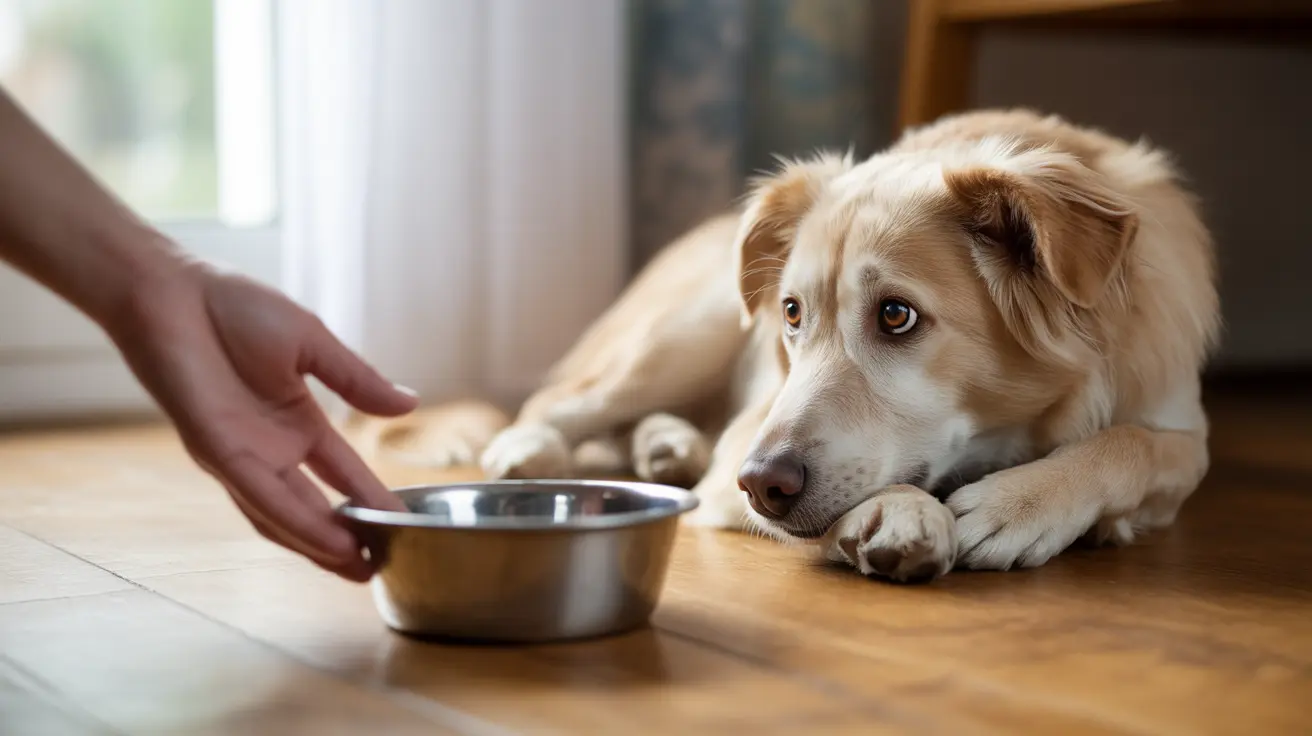
Why Pets Get Confused During Clock Changes
Dogs and cats rely heavily on circadian rhythms—internal biological clocks that regulate sleep, wake cycles, and other physiological processes. These natural rhythms are synchronized with environmental cues like sunlight, temperature, and consistent daily routines. When daylight saving time suddenly shifts our schedules, pets experience a form of jet lag without ever leaving home.
Unlike humans who can rationalize the time change, animals depend entirely on consistent patterns. Your dog expects dinner at the same biological time every day, and your cat anticipates morning routines based on internal cues that don't align with the new clock time.
DST Effects on Dogs and Common Behavioral Changes
Dogs are particularly sensitive to routine disruptions caused by time changes. Many pet parents notice their dogs becoming restless, whining at unusual hours, or seeming generally out of sorts during the adjustment period. These behavioral changes stem from the disconnect between their internal clocks and the new human schedule.
Some dogs may experience temporary changes in appetite, bathroom schedules, or sleep patterns. They might wake up earlier or later than usual, pace during typical rest times, or seem confused about when activities like walks or meals should occur.
Physical and Emotional Impact on Canines
The stress of schedule disruption can manifest in various ways in dogs. Some may become more anxious or clingy, while others might appear lethargic or disinterested in normal activities. These reactions are temporary but indicate how significantly time changes affect animal physiology.
How DST Affects Cats and Their Natural Rhythms
Cats, being naturally crepuscular animals (most active during dawn and dusk), may be even more sensitive to daylight saving time changes than dogs. Their hunting instincts and activity patterns are closely tied to light cycles, making sudden time shifts particularly disruptive.
Feline reactions to clock changes often include altered sleep patterns, changes in social interaction with family members, and modified eating behaviors. Some cats may become more vocal during the adjustment period, essentially asking why their routine has suddenly changed.
Helping Your Pets Adjust to Time Changes
Gradual preparation can ease the transition for your pets during both spring forward and fall back periods. Consider slowly adjusting feeding times, walks, and bedtime routines by 15-minute increments in the days leading up to the time change.
Maintaining consistency in other aspects of your pet's routine becomes even more crucial during these transitions. Keep toy placement, sleeping arrangements, and family interaction patterns as stable as possible while the new schedule takes hold.
Creating Stability During Disruption
Extra patience and understanding go a long way during adjustment periods. Your pets aren't being difficult—they're experiencing genuine confusion that requires time to resolve. Most animals adjust within a week, though some sensitive pets may need up to two weeks to fully adapt.
Long-term Considerations for Pet Health
While most pets adapt successfully to daylight saving time changes, chronic stress from routine disruptions can potentially impact overall health. Maintaining awareness of your pet's response patterns can help you provide better support during future time changes.
Pet parents should monitor their animals for signs of prolonged adjustment difficulties and consider consulting veterinarians if behavioral changes persist beyond the typical adaptation period.
Frequently Asked Questions
How does daylight saving time affect my dog's sleep schedule?
Daylight saving time disrupts your dog's natural circadian rhythm, potentially causing temporary sleep disturbances, earlier or later wake times, and general restlessness until they adjust to the new schedule. Most dogs adapt within 3-7 days with consistent routines.
Why do pets get confused during clock changes in spring and fall?
Pets rely on internal biological clocks synchronized with environmental cues and daily routines. When humans suddenly shift schedules due to time changes, animals experience confusion because their natural rhythms don't align with the new timing of meals, walks, and other activities.
How can I help my dog adjust to daylight saving time shifts?
Gradually modify your dog's routine by adjusting feeding, walking, and sleeping times in 15-minute increments during the week before time changes. Maintain consistency in other routine aspects and provide extra patience during the adjustment period.
Understanding how daylight saving time affects our pets helps us become more compassionate and prepared pet parents. By recognizing these natural responses and providing supportive transitions, we can minimize stress and help our animal companions navigate these human-imposed schedule changes more comfortably.




