
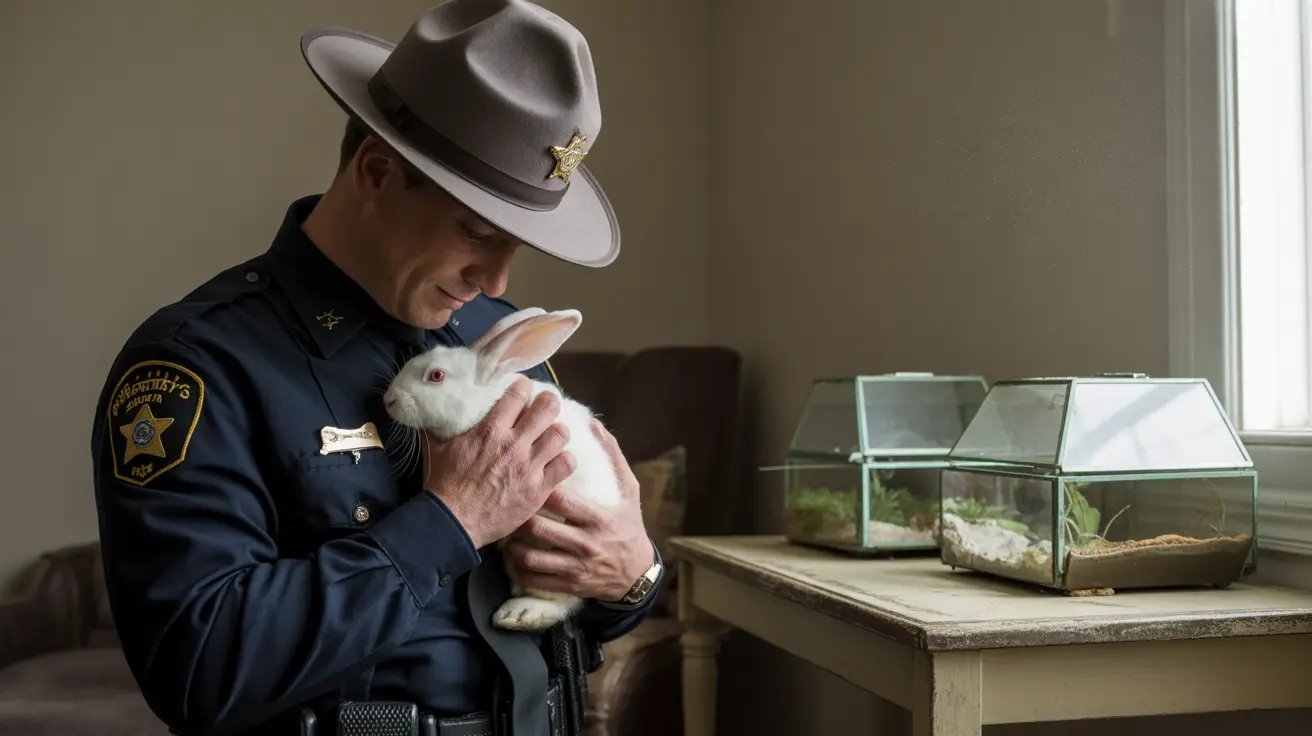
A disturbing case of animal neglect has emerged from Vanderburgh County, where sheriff's deputies discovered dead snakes and a rabbit during a routine eviction. The shocking find has resulted in animal cruelty charges and serves as a stark reminder of the responsibilities that come with pet ownership, particularly when caring for reptiles and other exotic animals.
While clearing the home during eviction proceedings, deputies found three medium-sized snakes that appeared dead, along with a rabbit. The discovery prompted immediate action from the Vanderburgh County Sheriff's Office (VCSO), who have since filed animal cruelty charges against the former resident. This case highlights the serious consequences of pet neglect and the importance of proper animal care.
Understanding Pet Snake Care Responsibilities
Caring for pet snakes requires specific knowledge, dedication, and consistent attention to their environmental needs. Unlike traditional pets, reptiles have unique requirements for temperature, humidity, lighting, and feeding schedules that must be maintained year-round. When these needs aren't met, snakes can quickly deteriorate and die.
Proper snake care involves maintaining appropriate enclosure temperatures, providing clean water, ensuring adequate hiding spaces, and following species-specific feeding schedules. Neglecting any of these fundamental needs can lead to stress, illness, and ultimately death in pet reptiles.
Signs of Snake Death vs. Natural Behaviors
Pet snake owners must understand the difference between normal reptile behaviors and signs of distress or death. Snakes naturally become less active during cooler periods and may appear lethargic, but truly dead pet reptiles will show specific signs including lack of response to stimuli, rigid body posture, and absence of breathing movements.
During colder months, some snake species may enter a state similar to hibernation called brumation, where they become very inactive. However, healthy snakes in brumation will still respond to gentle handling and show signs of life when warmed appropriately.
Preventing Sudden Snake Death
Many factors can contribute to sudden snake death in captivity, including improper temperatures, poor husbandry, inadequate nutrition, and untreated health issues. Responsible pet owners should maintain consistent environmental conditions, provide appropriate prey items, and establish relationships with veterinarians experienced in reptile care.
Regular monitoring of your snake's behavior, eating habits, and physical appearance can help identify potential problems before they become fatal. Any significant changes in activity level, appetite, or appearance warrant immediate veterinary attention.
Animal Welfare and Legal Consequences
The animal cruelty arrest in this Vanderburgh County case demonstrates that neglecting pets can result in serious legal consequences. Animal welfare laws protect all pets, including reptiles, and owners who fail to provide basic care can face criminal charges, fines, and permanent bans on pet ownership.
Animal neglect cases involving reptile cruelty are taken seriously by law enforcement and animal welfare organizations. The discovery of neglected pet snakes during eviction proceedings has become unfortunately common, as financial hardship sometimes leads to abandonment of animal care responsibilities.
Safe Handling of Dead Pet Reptiles
If you discover a dead snake or other reptile, proper handling and disposal are important for health and safety reasons. Dead animals can carry bacteria and parasites, so protective gloves should always be worn when handling deceased pets. Contact local animal control or veterinary offices for guidance on appropriate disposal methods in your area.
Pet owners should never simply abandon sick or dying animals. If facing financial difficulties or housing changes, reach out to local animal rescue organizations, reptile societies, or veterinarians who may offer assistance or rehoming services.
Frequently Asked Questions
- How do I know if my snake is dead or just in hibernation?
Dead snakes will be completely unresponsive to touch, show no breathing movements, and feel rigid. Snakes in brumation (similar to hibernation) will still show subtle responses to gentle handling and will have some muscle tone. When in doubt, consult a reptile veterinarian immediately.
- What should I do if I find a dead snake in my home?
Wear protective gloves and avoid direct contact. If it's your pet, contact your veterinarian for disposal guidance. If it's an unknown snake, contact animal control or local wildlife authorities. Never handle deceased animals with bare hands due to potential health risks.
- What are the signs of animal neglect involving pet snakes?
Warning signs include improper enclosure conditions, lack of appropriate heating or lighting, absence of clean water, visible malnutrition, untreated injuries or illnesses, and overcrowded or unsanitary living conditions. Neglected snakes often appear lethargic, underweight, or show signs of stress.
Conclusion
The discovery of dead snakes during this Vanderburgh County eviction serves as a sobering reminder that pet ownership comes with serious responsibilities and legal obligations. Whether caring for traditional pets or exotic animals like reptiles, owners must provide consistent, appropriate care throughout the animal's lifetime.
If you're considering snake ownership or currently care for reptiles, ensure you have the knowledge, resources, and commitment necessary to provide proper care. When facing difficulties, reach out for help rather than abandoning your animals – both your pets and the law deserve nothing less than responsible ownership.




