
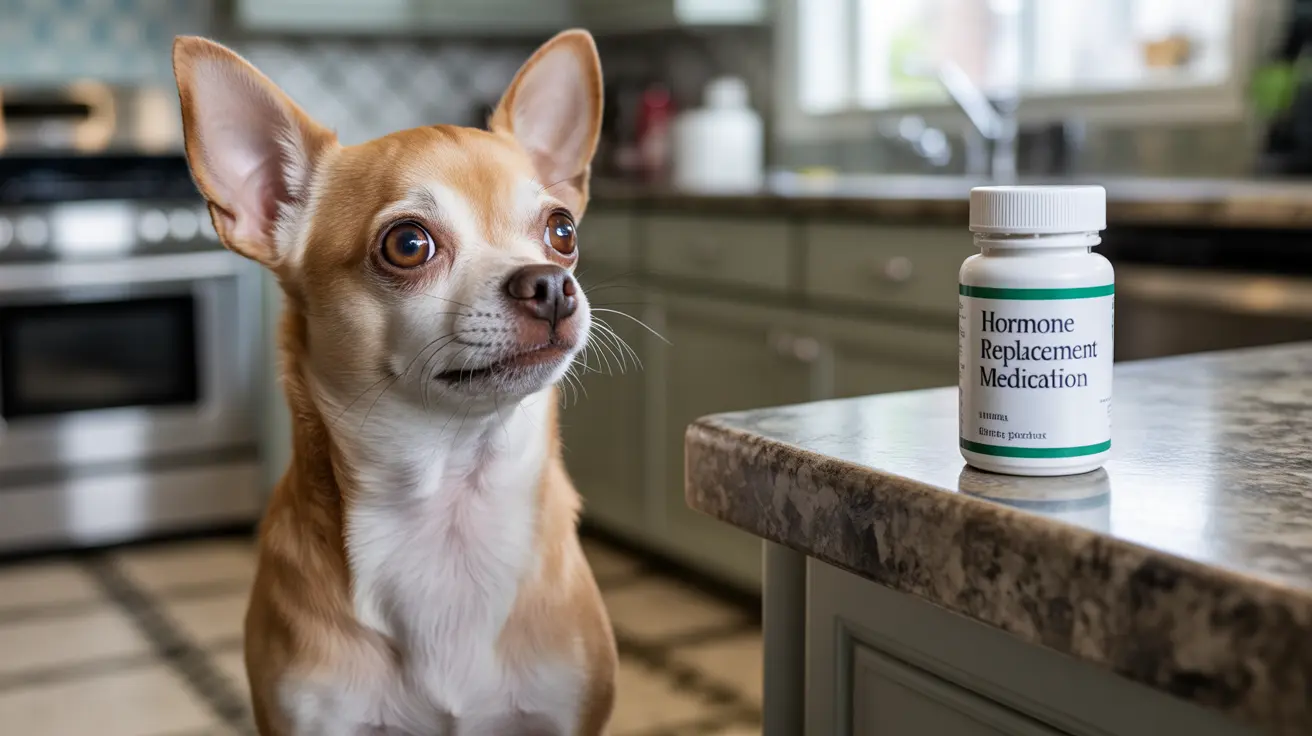
When a dog consumes progesterone, the hormone disrupts its endocrine system, which controls metabolism, growth, and reproduction. The effects depend on the dosage, the dog’s size, and whether the product was designed for human or animal use. Female dogs are particularly sensitive because progesterone can mimic or interfere with their natural heat cycles. Male dogs may also experience hormonal changes, including reduced fertility and behavioral shifts. Understanding these risks is the first step toward protecting your pet and responding appropriately if an accident occurs.
Recognizing the potential seriousness of progesterone ingestion helps owners act quickly. Even if your dog seems fine immediately after eating the medication, internal changes may already be underway. Prompt veterinary attention can prevent long-term complications such as liver damage, hormonal imbalance, or reproductive disorders. The next sections explain what symptoms to watch for, what immediate actions to take, and how veterinarians typically treat progesterone toxicity.
Recognizing Symptoms of Progesterone Toxicity in Dogs
Symptoms of progesterone ingestion can appear within hours or may take several days to develop, depending on the amount consumed and the dog’s metabolism. The most common signs involve changes in behavior, appetite, and physical appearance. Because progesterone affects multiple body systems, the symptoms can vary widely, making it essential to monitor your dog closely for any unusual behavior or physical changes.
Typical symptoms include lethargy, vomiting, diarrhea, and loss of coordination. Some dogs may show signs of depression or confusion, while others become unusually restless. Female dogs might experience swelling of the mammary glands or vulva, mimicking the signs of being in heat. Male dogs can develop testicular shrinkage or reduced libido. In severe cases, progesterone toxicity can lead to seizures, jaundice, or difficulty breathing, indicating liver or neurological involvement. These symptoms require immediate veterinary care.
Because progesterone can also influence blood sugar and electrolyte levels, dogs with preexisting conditions such as diabetes or liver disease are at greater risk of complications. If your dog has recently been treated with other medications, interactions may intensify the effects. Keeping a detailed record of your dog’s symptoms and the time they appeared will help your veterinarian determine the best course of treatment. The next step is to act quickly and safely once you suspect or confirm ingestion.
Immediate Actions to Take After Ingestion
Time is critical when dealing with hormone ingestion. The first thing to do is remove any remaining medication from your dog’s reach and check how much might have been consumed. Do not attempt to induce vomiting unless specifically instructed by a veterinarian, as some progesterone formulations contain oils or additives that can cause aspiration or additional harm if vomited. Instead, contact your veterinarian or an emergency animal poison control hotline immediately for guidance.
When you call, be prepared to provide key details such as the product name, dosage strength, estimated amount ingested, and your dog’s weight and age. This information helps professionals assess the level of risk and recommend the next steps. If instructed to go to a clinic, bring the medication packaging with you. It allows the veterinary team to identify the active ingredients and any other compounds that may influence treatment decisions.
- Keep your dog calm and prevent further stress or excitement, which can worsen symptoms.
- Do not offer food or water unless advised by a veterinarian.
- Collect any vomit or stool samples if they occur naturally, as they may help identify how much medication was absorbed.
- Transport your dog safely in a carrier or secured seat to avoid injury during travel.
Once at the clinic, the veterinarian will likely perform a physical exam, blood tests, and possibly imaging to assess internal organ function. Acting quickly can significantly improve your dog’s chances of a full recovery and minimize long-term hormonal disruption. The following section explains what to expect during professional treatment and recovery.
Veterinary Diagnosis and Treatment Options
Upon arrival at the veterinary clinic, your dog will undergo a thorough evaluation. The veterinarian will check vital signs, hydration levels, and neurological responses. Blood tests are typically performed to measure hormone levels, liver enzymes, and kidney function. In some cases, imaging such as ultrasound or X-rays may be used to detect internal swelling or organ stress. These diagnostic steps help determine the severity of progesterone toxicity and guide treatment decisions.
Treatment often begins with stabilizing your dog’s condition. If ingestion occurred recently, the vet may administer activated charcoal to absorb remaining toxins in the stomach. Intravenous fluids are commonly used to support hydration and help flush the hormone from the system. In more severe cases, medications may be prescribed to counteract hormonal effects or protect the liver. Female dogs showing signs of false pregnancy or mammary development may require additional hormonal therapy to restore balance.
Hospitalization may be necessary for observation, especially if your dog exhibits neurological symptoms or organ dysfunction. Most dogs recover well with prompt treatment, but follow-up visits are essential to monitor hormone levels and ensure no lingering effects. Your veterinarian may recommend dietary adjustments or supplements to support recovery. Understanding the treatment process can ease anxiety and help owners cooperate effectively with veterinary staff. Once your dog is stable, prevention becomes the next priority.
Preventing Future Incidents and Ensuring Hormonal Safety
Preventing accidental ingestion is far easier than treating progesterone toxicity. Many cases occur because medications are left within reach or because dogs chew through containers out of curiosity. Storing all hormonal medications, including creams and tablets, in secure cabinets or high shelves can drastically reduce risk. If you use topical progesterone products, wash your hands thoroughly after application and avoid letting your dog lick your skin until the product is fully absorbed.
Pet owners who use progesterone for breeding management should follow veterinary instructions carefully. Never administer human-prescribed hormones to animals, as the dosage and formulation differ significantly. If your dog is on a prescribed hormonal treatment, keep a strict schedule and store the medication separately from human drugs to avoid confusion. Regular veterinary checkups can help detect early signs of hormonal imbalance, ensuring your pet remains healthy and stable.
- Store all medications in childproof containers and out of pets’ reach.
- Dispose of expired or unused progesterone products safely through a pharmacy or veterinary clinic.
- Educate family members about the risks of leaving medications unattended.
- Keep emergency contact numbers for your veterinarian and poison control easily accessible.
By maintaining a safe home environment and staying informed about potential hazards, you can protect your dog from accidental hormone exposure. The final section summarizes key takeaways and reinforces the importance of swift action and preventive care.
Acting Fast Saves Lives
Progesterone ingestion in dogs is a serious but manageable emergency when addressed promptly. Understanding the hormone’s effects, recognizing early symptoms, and seeking immediate veterinary help are the most effective ways to safeguard your pet’s health. Even if your dog appears normal after eating progesterone, internal disruptions may still occur, making professional evaluation essential. With timely treatment, most dogs recover fully without lasting complications.
Prevention remains the best defense. Responsible medication storage, careful handling of hormonal products, and regular veterinary guidance can prevent future incidents. By staying alert and informed, pet owners can ensure their dogs live long, healthy, and hormone-balanced lives.
FAQ
What should I do immediately if my dog eats progesterone?
If your dog ingests progesterone, remove any remaining medication and contact your veterinarian or an emergency poison control center right away. Do not induce vomiting unless specifically instructed, as some formulations can cause aspiration or additional harm. Provide details such as the product name, dosage, and estimated amount consumed. Quick professional guidance can prevent serious complications and improve your dog’s recovery chances.
How much progesterone is toxic to dogs?
The toxic dose varies depending on the dog’s size, age, and health condition. Even small amounts can cause hormonal disturbances, especially in smaller breeds or dogs with preexisting conditions. Because progesterone products differ in concentration, it’s impossible to determine a safe threshold without veterinary input. Always treat any ingestion as potentially dangerous and seek immediate medical advice.
Can progesterone cause long-term damage in dogs?
Yes, prolonged or high-dose exposure can lead to lasting hormonal imbalances, liver damage, or reproductive issues. Female dogs may experience irregular heat cycles or false pregnancies, while males may suffer reduced fertility. However, with prompt treatment and follow-up care, most dogs recover without permanent harm. Regular monitoring after recovery helps ensure hormone levels return to normal.
Are topical progesterone creams dangerous for dogs?
Topical creams can be hazardous if licked or absorbed through the skin. Dogs may ingest the hormone by licking treated areas on their owners or themselves. Even small exposures can cause symptoms over time. Always wash your hands after applying hormonal creams and prevent your dog from contact until the product has fully dried or absorbed.
What symptoms should I watch for after progesterone ingestion?
Common symptoms include vomiting, lethargy, diarrhea, and behavioral changes. Female dogs may show signs of heat or mammary gland swelling, while males might experience reduced energy or testicular shrinkage. Severe cases can involve seizures, jaundice, or breathing difficulties. If any of these signs appear, seek veterinary care immediately.
How do veterinarians treat progesterone poisoning?
Treatment depends on the severity and timing of ingestion. Vets may use activated charcoal to absorb toxins, intravenous fluids to support organ function, and medications to stabilize hormone levels. In some cases, hospitalization is required for observation and supportive care. Follow-up blood tests ensure that hormone and liver values return to normal.
Can dogs safely take progesterone prescribed by a vet?
Yes, but only under strict veterinary supervision. Veterinarians sometimes prescribe progesterone for breeding management or specific hormonal disorders. The dosage and formulation are carefully calculated for canine physiology. Never substitute human medications or adjust doses without professional guidance, as this can lead to toxicity or ineffective treatment.
How can I prevent my dog from eating medications again?
Store all medications, including hormonal products, in secure cabinets or containers out of reach. Avoid leaving pills on counters or in purses where dogs can access them. Dispose of unused medications properly and educate family members about the risks. Keeping emergency contact numbers visible ensures quick action if another incident occurs.
Is progesterone more dangerous for female dogs?
Female dogs are generally more sensitive to progesterone because it directly affects their reproductive cycle. Ingesting extra hormones can trigger false pregnancies, uterine changes, or mammary gland enlargement. While males can also suffer side effects, females often experience more pronounced hormonal disruptions. Veterinary evaluation is essential for both sexes after ingestion.
Can natural or herbal hormone supplements harm dogs too?
Yes, even “natural” or herbal hormone products can be harmful. Many contain plant-based compounds that mimic estrogen or progesterone, which can disrupt a dog’s endocrine system. Always consult your veterinarian before giving your pet any supplement, especially those marketed for hormonal or reproductive support. Natural does not always mean safe for animals.




