
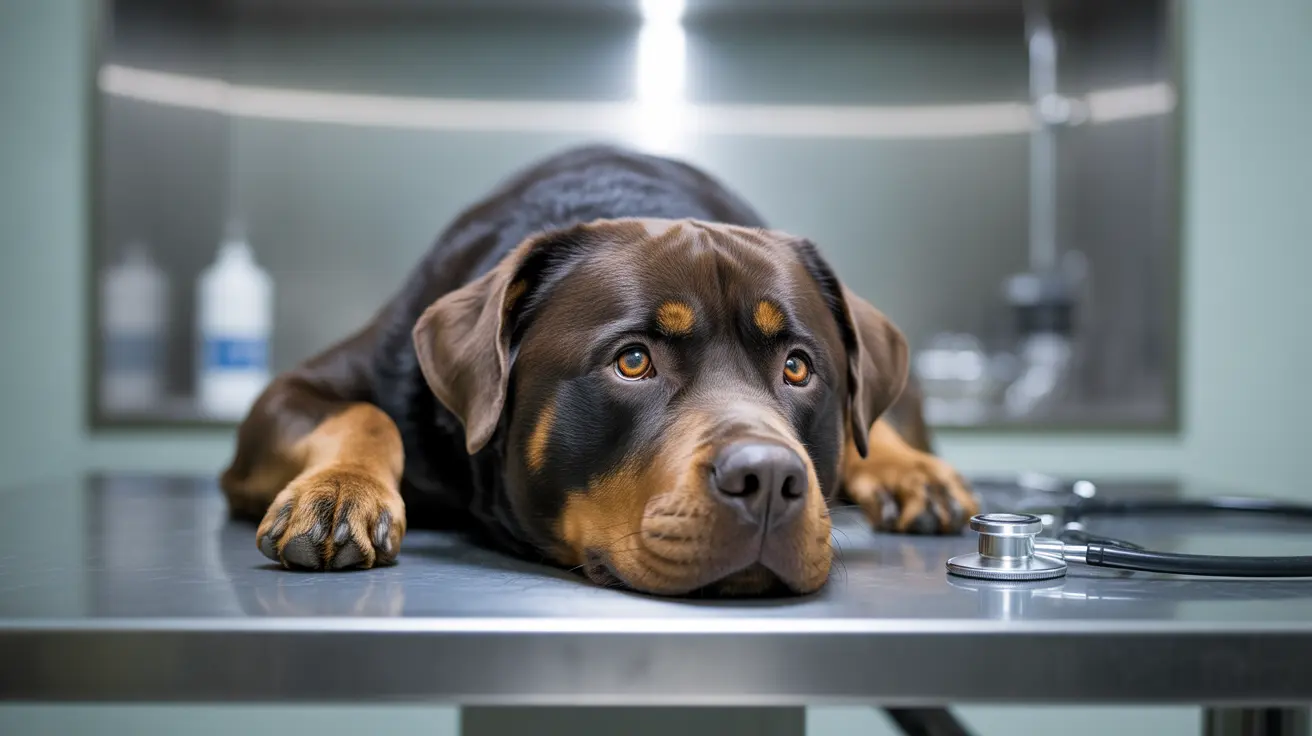
Veterinarians emphasize that internal bleeding can affect any dog, regardless of breed or age. However, older dogs and those with underlying health conditions such as cancer or liver disease are at higher risk. The bleeding may occur in the abdomen, chest, or even within the brain, depending on the cause. Early recognition and immediate veterinary care are essential because the body’s ability to compensate for blood loss is limited. Once the blood pressure drops too low, vital organs begin to fail, and the prognosis worsens rapidly.
Recognizing the seriousness of this condition helps owners respond appropriately. Many cases of internal bleeding are treatable if addressed promptly. The key lies in identifying the warning signs early and seeking professional help before the dog’s condition deteriorates beyond recovery. This awareness sets the stage for understanding the causes, symptoms, and treatment options discussed in the following sections.
Common Causes and Risk Factors
Internal bleeding in dogs can stem from a variety of causes, ranging from traumatic injuries to underlying diseases. One of the most common causes is blunt force trauma, such as being hit by a car or falling from a height. These incidents can rupture internal organs like the spleen or liver, leading to significant blood loss. Another frequent cause is hemangiosarcoma, a malignant tumor that often develops in the spleen or heart. When these tumors rupture, they release large amounts of blood into the body cavity, causing sudden collapse and shock.
In addition to trauma and cancer, certain medical conditions can predispose dogs to internal bleeding. Disorders affecting blood clotting, such as hemophilia or immune-mediated thrombocytopenia, reduce the body’s ability to stop bleeding once it begins. Ingesting toxins like rat poison (anticoagulants) can also interfere with clotting mechanisms, leading to spontaneous internal hemorrhage. Even seemingly minor events, such as vigorous play or surgery, can trigger bleeding in dogs with fragile blood vessels or preexisting health issues.
Some breeds are genetically more prone to conditions that increase bleeding risk. For example, German Shepherds and Golden Retrievers have a higher incidence of hemangiosarcoma, while Dobermans are more likely to develop clotting disorders. Age is another factor—older dogs are more susceptible to tumors and organ fragility. Understanding these risk factors allows owners to monitor their pets more closely and seek preventive veterinary care when necessary. Awareness of potential causes also helps veterinarians narrow down diagnoses quickly when a dog presents with unexplained weakness or collapse.
Recognizing Symptoms and Early Warning Signs
Because internal bleeding is not visible, recognizing the symptoms requires careful observation of subtle changes in a dog’s behavior and appearance. Early signs often include lethargy, weakness, and pale gums, which indicate reduced blood circulation. Dogs may also exhibit rapid breathing, a weak pulse, or a distended abdomen if blood is pooling internally. In some cases, owners notice that their dog seems unusually tired after mild activity or refuses to eat. These symptoms can progress quickly, making it crucial to act at the first sign of distress.
As the condition worsens, dogs may collapse, show signs of confusion, or have difficulty standing. The abdomen may feel firm or swollen, and the dog might whimper or resist being touched in that area due to pain. Internal bleeding in the chest can cause labored breathing or coughing up blood, while bleeding in the brain may lead to seizures or disorientation. Because these symptoms overlap with other health issues, only a veterinarian can confirm internal bleeding through diagnostic tests such as ultrasound, X-rays, or bloodwork.
Pet owners should never wait for symptoms to “resolve on their own.” Internal bleeding can escalate within minutes, especially if caused by a ruptured tumor or severe trauma. Immediate veterinary attention is the only way to stabilize the dog and determine the source of bleeding. Recognizing these warning signs early not only improves survival chances but also helps veterinarians intervene before irreversible damage occurs.
Diagnosis and Treatment Options
When a dog arrives at a veterinary clinic with suspected internal bleeding, the medical team acts quickly to stabilize the patient. The first step is often to assess vital signs—heart rate, breathing, and blood pressure—to determine the severity of shock. Diagnostic imaging such as ultrasound or X-rays helps locate the source of bleeding, while blood tests measure red blood cell counts and clotting ability. In some cases, the veterinarian may perform a procedure called abdominocentesis, which involves drawing fluid from the abdomen to confirm the presence of blood.
Treatment focuses on stopping the bleeding, replacing lost blood, and supporting vital organ function. Dogs in critical condition may receive intravenous fluids or blood transfusions to restore circulation. If a ruptured organ or tumor is identified, emergency surgery may be necessary to remove or repair the damaged tissue. In cases caused by toxins, veterinarians administer antidotes or medications to restore normal clotting. For dogs with chronic conditions like hemangiosarcoma, ongoing treatment may include chemotherapy or palliative care to manage symptoms and improve quality of life.
Recovery depends on how quickly the bleeding is controlled and the underlying cause. Some dogs recover fully after surgery or transfusion, while others may require long-term monitoring. Post-treatment care often includes rest, restricted activity, and follow-up visits to ensure that internal healing progresses properly. The veterinarian may also recommend dietary changes or supplements to support blood production and immune function. Understanding the treatment process helps owners prepare for the intensive care their dog may need during recovery.
Prognosis, Prevention, and Long-Term Care
The survival rate for dogs with internal bleeding varies widely depending on the cause, location, and speed of treatment. According to veterinary data, dogs treated promptly after trauma or toxin exposure often recover well, while those with ruptured tumors face a more guarded prognosis. For example, dogs with splenic hemangiosarcoma typically have a median survival time of only a few months, even with surgery and chemotherapy. However, early detection and preventive care can significantly improve outcomes for many dogs.
Preventing internal bleeding begins with minimizing risk factors. Keeping dogs away from toxic substances, ensuring safe play environments, and scheduling regular veterinary checkups are essential steps. For breeds predisposed to certain cancers, periodic imaging tests can help detect tumors before they rupture. Owners should also be cautious with medications that affect clotting and consult their veterinarian before administering any new drug or supplement. Maintaining a healthy weight and balanced diet supports organ health and reduces the likelihood of internal strain or injury.
Long-term care for dogs recovering from internal bleeding involves close observation and lifestyle adjustments. Activity should be limited until the veterinarian confirms full recovery, and any recurrence of weakness, pale gums, or abdominal swelling should prompt immediate reevaluation. Emotional support is equally important—dogs recovering from trauma or surgery may experience anxiety or reduced appetite, requiring patience and gentle encouragement. With attentive care and regular monitoring, many dogs can return to a comfortable and active life after surviving internal bleeding.
Internal bleeding in dogs is a life-threatening condition that demands swift recognition and immediate veterinary intervention. Because the symptoms can be subtle at first, pet owners must remain vigilant for signs such as weakness, pale gums, or sudden collapse. Understanding the causes—from trauma to tumors—helps owners take preventive measures and seek timely care. Advances in veterinary diagnostics and emergency medicine have improved survival rates, but early action remains the most critical factor. By staying informed and proactive, dog owners can protect their pets from the devastating consequences of internal bleeding and ensure they receive the best possible chance at recovery.
FAQ
What are the first signs of internal bleeding in dogs?
The earliest signs often include lethargy, pale gums, and weakness. Dogs may appear unusually tired, breathe rapidly, or have a distended abdomen. Some may collapse suddenly if the bleeding is severe. Because these symptoms can mimic other illnesses, any sudden change in energy or appearance should prompt an immediate veterinary visit. Early detection allows for faster stabilization and better survival outcomes.
Can a dog survive internal bleeding without surgery?
Survival without surgery depends on the cause and severity of the bleeding. Minor internal bleeding from small vessel ruptures or mild trauma may resolve with rest and medical management. However, if the bleeding results from a ruptured organ or tumor, surgery is usually necessary to stop the hemorrhage. Veterinarians evaluate each case individually to determine whether conservative treatment or surgical intervention offers the best chance of recovery.
How do veterinarians diagnose internal bleeding?
Diagnosis typically involves a combination of physical examination, imaging, and laboratory tests. Ultrasound and X-rays help locate fluid accumulation, while blood tests assess red cell counts and clotting function. In some cases, a sample of abdominal or chest fluid is analyzed to confirm the presence of blood. These diagnostic tools allow veterinarians to identify the source of bleeding and plan appropriate treatment quickly.
What causes spontaneous internal bleeding in healthy dogs?
Even healthy dogs can experience spontaneous internal bleeding due to hidden conditions such as ruptured tumors, clotting disorders, or toxin exposure. Certain cancers, like hemangiosarcoma, can develop silently and rupture without warning. Ingesting anticoagulant poisons or medications that interfere with clotting can also trigger sudden bleeding. Regular veterinary checkups and prompt attention to unusual symptoms are key to catching these issues early.
How long can a dog live after internal bleeding?
The lifespan after internal bleeding varies widely. Dogs that receive immediate treatment for trauma or toxin-related bleeding often recover fully. However, those with bleeding caused by malignant tumors may have a limited prognosis, sometimes only weeks or months. The speed of diagnosis, quality of care, and underlying health all influence survival time. Early intervention remains the most important factor in extending a dog’s life after internal bleeding.
Is internal bleeding painful for dogs?
Yes, internal bleeding can cause significant discomfort, especially if it involves organ rupture or abdominal swelling. Dogs may whimper, pant heavily, or resist being touched. Pain management is a critical part of veterinary treatment, and veterinarians use medications to reduce suffering while stabilizing the patient. Owners should never attempt to treat pain at home without professional guidance, as some human medications can worsen bleeding.
Can internal bleeding recur after treatment?
Recurrence is possible, particularly if the underlying cause—such as a tumor or clotting disorder—remains unresolved. Dogs that have undergone surgery for ruptured tumors or organ damage require regular follow-up visits and imaging to monitor for new bleeding episodes. Preventive care, including medication management and lifestyle adjustments, helps reduce the risk of recurrence. Owners should remain alert for any return of symptoms and seek veterinary advice promptly.
What should I do if I suspect my dog has internal bleeding?
If you suspect internal bleeding, seek emergency veterinary care immediately. Do not attempt to treat the dog at home or wait for symptoms to improve. Keep your pet calm and transport them carefully to the nearest clinic. Providing details about recent injuries, toxin exposure, or unusual behavior can help veterinarians diagnose and treat the condition faster. Quick action can be lifesaving in these situations.
Are certain breeds more prone to internal bleeding?
Yes, some breeds have a higher predisposition to conditions that cause internal bleeding. German Shepherds, Golden Retrievers, and Labrador Retrievers are more likely to develop hemangiosarcoma, a cancer that often leads to internal hemorrhage. Dobermans and Cocker Spaniels may be prone to clotting disorders. Knowing your dog’s breed-specific risks allows for proactive screening and early detection, which can significantly improve outcomes.
Can diet or supplements help prevent internal bleeding?
While diet alone cannot prevent internal bleeding, proper nutrition supports overall vascular and organ health. A balanced diet rich in antioxidants, vitamins, and minerals helps maintain strong tissues and immune function. Some veterinarians recommend supplements that promote healthy blood clotting, but these should only be given under professional supervision. Avoiding toxins, maintaining a healthy weight, and scheduling regular checkups remain the most effective preventive measures.




