
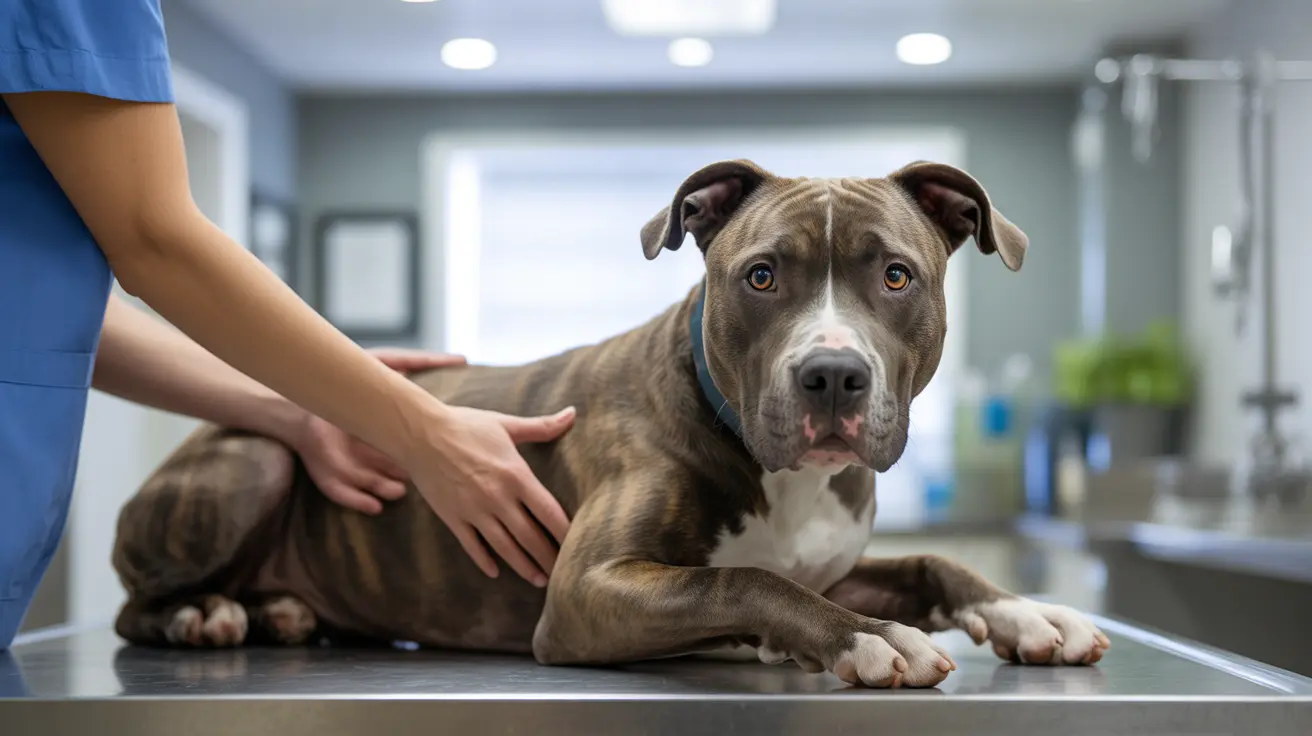
A Monroe, Connecticut woman has been charged with animal cruelty after authorities discovered a neglected pit bull roaming the streets in poor health. The 38-year-old resident of Jockey Hollow Road turned herself in on April 6 following the issuance of a warrant stemming from an incident that began with animal control responding to reports of a loose dog in February.
This case highlights the ongoing challenges animal welfare advocates face in protecting vulnerable pets and underscores the importance of community vigilance in identifying and reporting suspected animal abuse. When pet owners fail to provide adequate care, it often falls to concerned neighbors and animal control officers to step in and protect animals who cannot speak for themselves.
Animal Control Response and Initial Discovery
On February 2, Monroe Animal Control responded to a call about a roaming pit bull in the area of Pepper Street and Jockey Hollow Road around 1:45 p.m. A passerby had corralled the loose dog, demonstrating the kind of community involvement that often proves crucial in animal welfare cases.
The discovery of roaming dogs can signal various underlying issues, from simple escape incidents to more serious cases of neglect or abandonment. When animal control officers encounter loose pets, they conduct thorough health assessments to determine whether the animal requires immediate medical attention and investigate the circumstances that led to the situation.
Understanding Animal Cruelty Laws in Connecticut
Connecticut maintains strict animal welfare statutes designed to protect pets from neglect and abuse. Animal cruelty charges can encompass a range of offenses, from failure to provide adequate food, water, and shelter to more severe forms of physical abuse or abandonment.
Pet owners have a legal and moral obligation to ensure their animals receive proper veterinary care, nutrition, and safe living conditions. When these basic needs are not met, law enforcement agencies can pursue criminal charges that may result in fines, community service, or even jail time depending on the severity of the neglect.
Recognizing Signs of Pet Neglect
Animal abuse signs can be subtle or obvious, but community members play a vital role in identifying potential cases of neglect. Dogs suffering from poor care may exhibit visible indicators such as severe weight loss, matted or dirty coats, untreated injuries, or behavioral changes like excessive fearfulness or aggression.
Environmental factors also provide important clues about animal welfare. Properties with inadequate shelter, contaminated water sources, or unsanitary living conditions may indicate neglect. Pet owners should maintain clean, safe environments with appropriate protection from weather extremes and regular access to fresh water and nutritious food.
The Road to Recovery for Neglected Animals
Dogs rescued from neglect situations often require comprehensive rehabilitation involving veterinary treatment, behavioral assessment, and careful socialization. The recovery process can be lengthy, depending on the severity of the neglect and the animal's individual needs.
Veterinarians typically conduct thorough health evaluations to identify medical issues resulting from poor care, which may include malnutrition, parasites, dental problems, or untreated injuries. Behavioral rehabilitation helps animals regain trust in humans and develop healthy social skills necessary for successful adoption into loving homes.
Community Role in Animal Welfare
Cases like this Monroe incident demonstrate the critical importance of community involvement in protecting animal welfare. Concerned citizens who notice signs of potential neglect or abuse should not hesitate to contact local animal control authorities or law enforcement agencies.
Most communities have established protocols for investigating animal welfare complaints, and reports can often be made anonymously. Early intervention frequently prevents situations from escalating and can mean the difference between successful rehabilitation and more severe consequences for both the animal and the owner.
Frequently Asked Questions
What are the signs that a dog is being neglected or abused?
Key indicators include visible weight loss, untreated medical conditions, dirty or matted fur, inadequate shelter, lack of access to clean water, and behavioral changes such as extreme fearfulness or aggression. Environmental factors like unsanitary living conditions also signal potential neglect.
How can I report suspected animal cruelty in my community?
Contact your local animal control office, police department, or SPCA chapter to report suspected abuse. Many jurisdictions allow anonymous reporting, and trained investigators will assess the situation to determine if intervention is necessary.
What happens to dogs rescued from neglect and poor living conditions?
Rescued animals typically receive comprehensive veterinary care to address health issues, followed by behavioral rehabilitation if needed. Many are eventually placed in foster care or made available for adoption once they've recovered physically and emotionally from their ordeal.
This Monroe case serves as a reminder that protecting animal welfare requires community vigilance and prompt action when neglect is suspected. By working together, communities can ensure that all pets receive the care and protection they deserve.




