
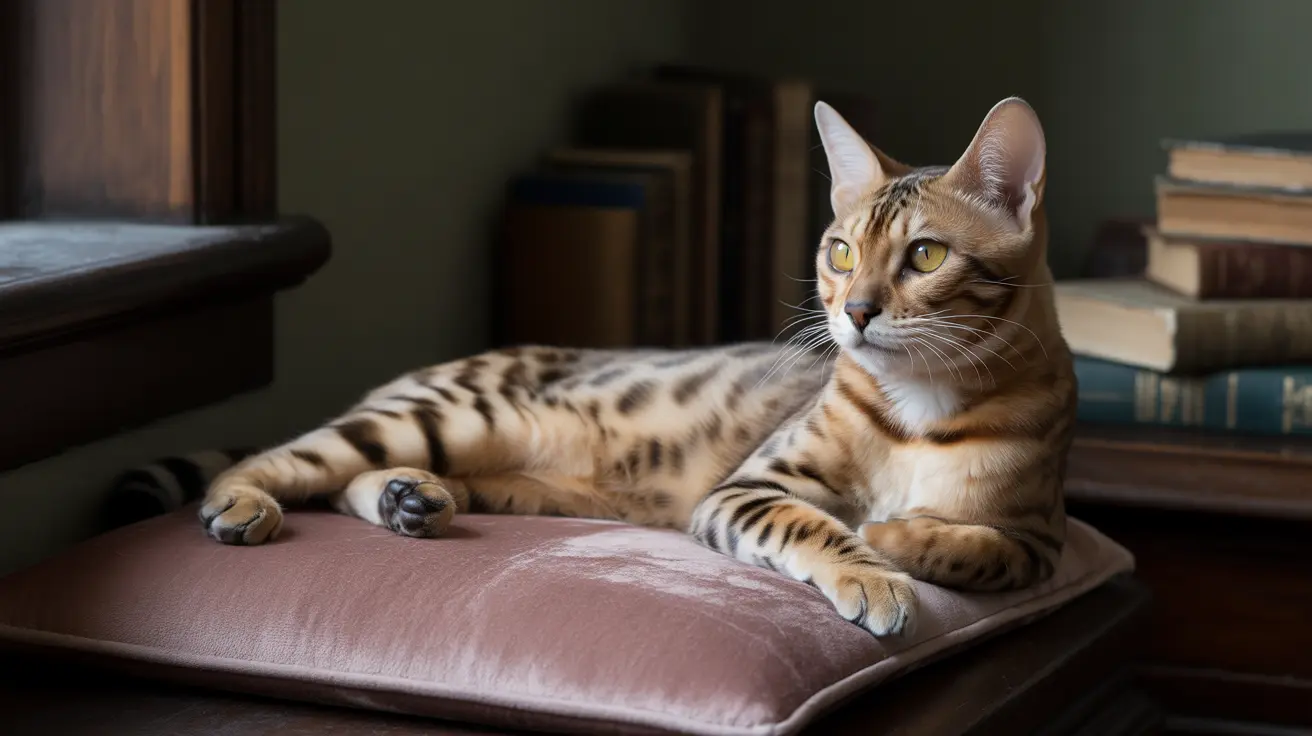
Cats communicate much of their physical and emotional state through their eyes. When a cat is nearing the end of its life, the eyes often reveal changes that can help caregivers understand what is happening. These changes are not just physical but also reflect the body’s gradual shutdown. Observing the eyes can be one of the most compassionate ways to gauge a cat’s comfort level and determine when it might be time to seek veterinary support. Understanding these visual cues allows pet owners to respond with empathy and ensure their cat’s final days are as peaceful as possible.
Healthy feline eyes are typically bright, clear, and responsive to light. As a cat’s health declines, however, the eyes may lose their usual sparkle. They might appear dull, glassy, or unfocused, signaling that the body is struggling to maintain normal function. In some cases, the pupils may remain dilated even in bright light, or one eye may react differently than the other. These subtle but significant changes can indicate that the cat’s nervous system is weakening, a common occurrence in the final stages of life. Recognizing these signs early helps owners prepare emotionally and practically for what comes next.
Because eye changes can also occur with treatable illnesses, it is important not to assume that dull or dilated eyes automatically mean death is near. A veterinarian can help determine whether the symptoms stem from reversible conditions such as dehydration, infection, or pain. Nonetheless, when combined with other end-of-life signs—such as reduced appetite, lethargy, and withdrawal—eye changes often confirm that the cat’s body is shutting down. This awareness empowers owners to make informed decisions about comfort care and euthanasia if necessary.
Physical Eye Changes in a Dying Cat
As a cat approaches death, the eyes undergo several distinct physical transformations. One of the most noticeable is the loss of the normal blink reflex. A healthy cat blinks regularly to keep the eyes moist and protected, but a dying cat may stop blinking altogether. The eyes may remain partially open, giving them a fixed or vacant appearance. This occurs because the muscles controlling the eyelids weaken as the body loses energy. The cornea, the clear outer layer of the eye, may also become dry or cloudy, further contributing to a lifeless look.
Pupil dilation is another common indicator. In a healthy cat, pupils expand and contract in response to light and emotional stimuli. When death is near, the pupils often remain widely dilated regardless of lighting conditions. This happens because the brain can no longer regulate the muscles that control pupil size. In some cats, one pupil may appear larger than the other, a sign of neurological decline. These changes can be unsettling to witness, but they are a natural part of the dying process and do not necessarily cause pain.
Some cats may also develop a visible third eyelid, known as the nictitating membrane. This thin, whitish film may partially cover the eye when the cat is weak or dehydrated. It can appear suddenly and may be more noticeable in one eye than the other. While the third eyelid can also indicate illness or injury, its persistent presence in an elderly or terminally ill cat often signals that the body is shutting down. Observing these physical changes helps owners differentiate between temporary illness and the irreversible decline of life.
Behavioral and Emotional Cues Accompanying Eye Changes
Eye changes rarely occur in isolation. They are usually accompanied by shifts in behavior and demeanor that reflect the cat’s declining condition. A dying cat may become unusually quiet, spending long hours in secluded areas or sleeping more than usual. The once-alert gaze may soften into a distant stare, as if the cat is withdrawing from its surroundings. This detachment is not necessarily a sign of suffering but rather a natural retreat as the body conserves energy for essential functions.
In some cases, cats may seek extra closeness with their owners, maintaining eye contact as a form of reassurance. These moments can be emotionally powerful, as the cat’s eyes seem to communicate gratitude or a final farewell. Other cats may avoid eye contact altogether, preferring solitude. Both responses are normal and should be respected. The key is to observe the cat’s comfort level and avoid forcing interaction. Gentle presence, soft speech, and calm energy can provide comfort even when the cat no longer responds actively.
Owners should also note that pain or distress can alter a cat’s expression. Squinting, rapid blinking, or tightly closed eyes may indicate discomfort. In such cases, veterinary intervention can help manage pain and ease the cat’s final hours. Recognizing the difference between peaceful detachment and visible distress allows caregivers to make compassionate choices about palliative care or euthanasia. Understanding these emotional cues ensures that the cat’s final experience is one of dignity and love.
Providing Comfort and Care During the Final Stage
Once it becomes clear that a cat is nearing the end of life, the focus should shift from treatment to comfort. Creating a calm, safe environment is essential. The cat should have a quiet space away from household noise, with soft bedding and easy access to water. Dim lighting can help if the eyes are sensitive, and gentle handling prevents unnecessary stress. Maintaining warmth is also important, as dying cats often lose the ability to regulate body temperature. A soft blanket or heating pad set on low can provide soothing warmth.
Hydration and nutrition should be offered but never forced. Many cats lose interest in food and water as their organs begin to fail. Forcing intake can cause discomfort or choking. Instead, owners can moisten the cat’s mouth with a damp cloth or offer small amounts of broth if the cat is willing. Pain management, prescribed by a veterinarian, can make a significant difference in quality of life. Even in the final days, appropriate medication can reduce suffering and allow the cat to rest peacefully.
- Provide a quiet, comfortable resting area with minimal disturbance.
- Keep the cat warm using blankets or gentle heating pads.
- Offer water or broth in small amounts if the cat is interested.
- Administer prescribed pain relief or comfort medications as directed.
- Maintain gentle companionship without forcing interaction.
Emotional support for the owner is equally important. Watching a beloved pet decline can be heartbreaking, and feelings of guilt or helplessness are common. Talking with a veterinarian, counselor, or pet loss support group can help process these emotions. Remembering that providing comfort and dignity is an act of love can bring peace during this difficult time. As the cat’s eyes close for the last time, knowing that it was surrounded by care and compassion can offer lasting solace.
When to Seek Veterinary Guidance
While many signs of impending death are natural, it is crucial to consult a veterinarian whenever uncertainty arises. Some symptoms that appear terminal may actually result from treatable conditions such as severe dehydration, infections, or metabolic imbalances. A professional evaluation can clarify whether recovery is possible or if palliative care is the most humane option. Veterinarians can also provide guidance on pain management, hydration support, and euthanasia decisions, ensuring that the cat’s comfort remains the top priority.
Owners should contact a vet immediately if the cat shows signs of severe distress, such as labored breathing, uncontrollable seizures, or persistent crying. These symptoms suggest significant suffering that requires medical intervention. Even if death is inevitable, a veterinarian can administer medications to ease discomfort and help the cat pass peacefully. Home euthanasia services are also available in many areas, allowing the cat to remain in familiar surroundings during its final moments.
Veterinary professionals can also help owners understand what to expect physically and emotionally after the cat’s passing. They can explain normal post-death changes, such as muscle relaxation or lingering eye dilation, which can otherwise be distressing to witness. Having this knowledge in advance helps owners prepare and respond calmly. Seeking veterinary guidance ensures that both the cat and its human companion experience the end-of-life process with compassion, clarity, and respect.
Honoring the Final Journey
The eyes of a dying cat tell a story of transition—one that blends physical decline with emotional depth. Recognizing the changes in brightness, focus, and pupil response allows owners to understand what their companion is experiencing. These signs, when combined with behavioral and physical cues, provide a roadmap for compassionate care. While it is never easy to witness a beloved pet’s final moments, awareness and preparation can transform the experience from one of fear to one of peace.
Ultimately, the goal is not to prolong life at all costs but to ensure comfort, dignity, and love until the very end. By observing the eyes and responding with empathy, owners can offer their cats the same devotion they received throughout their lives. In doing so, they honor the bond that makes the human–animal relationship so profound and enduring.
FAQ
What do a dying cat’s eyes look like?
A dying cat’s eyes often appear dull, glassy, or unfocused. The pupils may remain dilated even in bright light, and the eyes might stay partially open due to weakened muscles. The third eyelid may also become visible, covering part of the eye. These changes occur as the body’s systems slow down and lose coordination. While they can be unsettling, they are natural signs that the cat’s body is shutting down rather than indications of pain. Observing these changes helps owners recognize when their cat is nearing the end of life.
Why do a cat’s pupils stay dilated before death?
Persistent pupil dilation occurs because the brain can no longer control the muscles that adjust pupil size. As neurological function declines, the pupils remain wide regardless of lighting conditions. This symptom often accompanies other signs of systemic failure, such as slowed breathing and reduced responsiveness. Although dilated pupils can also result from fear or medication, when seen in a weak or unresponsive cat, they usually indicate that death is near. It is a physiological response, not a sign of suffering, and reflects the body’s gradual shutdown.
Can eye changes indicate pain in a dying cat?
Yes, certain eye expressions can suggest discomfort. Squinting, rapid blinking, or tightly closed eyes often signal pain or irritation. In contrast, wide, unblinking eyes with dilated pupils typically reflect weakness rather than pain. If a cat shows signs of distress, a veterinarian can prescribe medications to relieve discomfort and anxiety. Monitoring the eyes alongside other behaviors—such as restlessness, vocalization, or rapid breathing—helps determine whether the cat needs additional support. Pain management is a crucial part of end-of-life care and can greatly improve the cat’s comfort.
Should I take my cat to the vet if its eyes look strange?
Yes, any sudden or unexplained change in a cat’s eyes warrants veterinary attention. While dull or dilated eyes can signal the end of life, they can also indicate treatable conditions like dehydration, infection, or high blood pressure. A veterinarian can perform an examination to determine the cause and recommend appropriate care. Even if the cat is terminally ill, professional guidance ensures that it remains comfortable and free from unnecessary suffering. Never assume that eye changes alone confirm death is imminent without consulting a vet.
How can I comfort my cat when its eyes show decline?
Comforting a dying cat involves creating a calm, warm, and quiet environment. Provide soft bedding, dim lighting, and gentle companionship. Avoid loud noises or sudden movements that might startle the cat. Offer water or broth if it shows interest, but do not force feeding. Speak softly and maintain a soothing presence. If the cat appears in pain, contact a veterinarian for palliative medication. The goal is to make the cat feel safe and loved, allowing it to pass peacefully surrounded by familiar scents and voices.
Is it normal for a cat’s eyes to stay open after death?
Yes, it is common for a cat’s eyes to remain open after death. Once the muscles controlling the eyelids relax, they no longer close automatically. The pupils may also remain dilated, giving the eyes a fixed appearance. This can be distressing for owners, but it is a normal physiological response. Some people gently close the eyes as a final gesture of respect, while others leave them as they are. Understanding that this is a natural occurrence can help ease emotional distress in the moments following a cat’s passing.
What other signs accompany eye changes in a dying cat?
Eye changes often occur alongside other physical and behavioral signs. These may include reduced appetite, difficulty breathing, weakness, loss of coordination, and withdrawal from social interaction. The cat may sleep more, avoid movement, or seek solitude. Body temperature often drops, and the heartbeat becomes irregular. When these symptoms appear together, they indicate that the cat’s body is shutting down. Recognizing the combination of signs helps owners prepare emotionally and decide when to seek veterinary assistance or consider euthanasia.
Can a cat recover after showing signs of dying eyes?
In rare cases, a cat may appear near death but recover if the underlying cause is treatable. Severe dehydration, shock, or infection can cause similar eye symptoms, including dullness and dilation. With prompt veterinary care, fluids, and medication, some cats regain strength and clarity in their eyes. However, when these signs occur in elderly or terminally ill cats, recovery is unlikely. A veterinarian can help determine whether the condition is reversible or if palliative care is the most compassionate option.
How can I tell if my cat is in pain or simply fading?
Pain often manifests through restlessness, vocalization, rapid breathing, or squinting eyes. A cat that is simply fading tends to be quiet, still, and detached, with a calm or vacant gaze. If you are unsure, consult a veterinarian for a pain assessment. They can prescribe medication to ensure comfort. Observing the cat’s eyes, posture, and breathing together provides the clearest picture of its condition. The goal is always to minimize suffering and allow the cat to pass peacefully when the time comes.
What should I do after my cat passes away?
After your cat passes, take a few moments to say goodbye and ensure the body is handled respectfully. You may choose burial, cremation, or memorial services depending on local regulations and personal preference. Veterinary clinics often offer aftercare options and can guide you through the process. It is normal to feel grief and emptiness after losing a beloved companion. Seeking support from friends, family, or pet loss groups can help you heal. Remember that providing love and comfort until the end is the greatest gift you could give your cat.




