
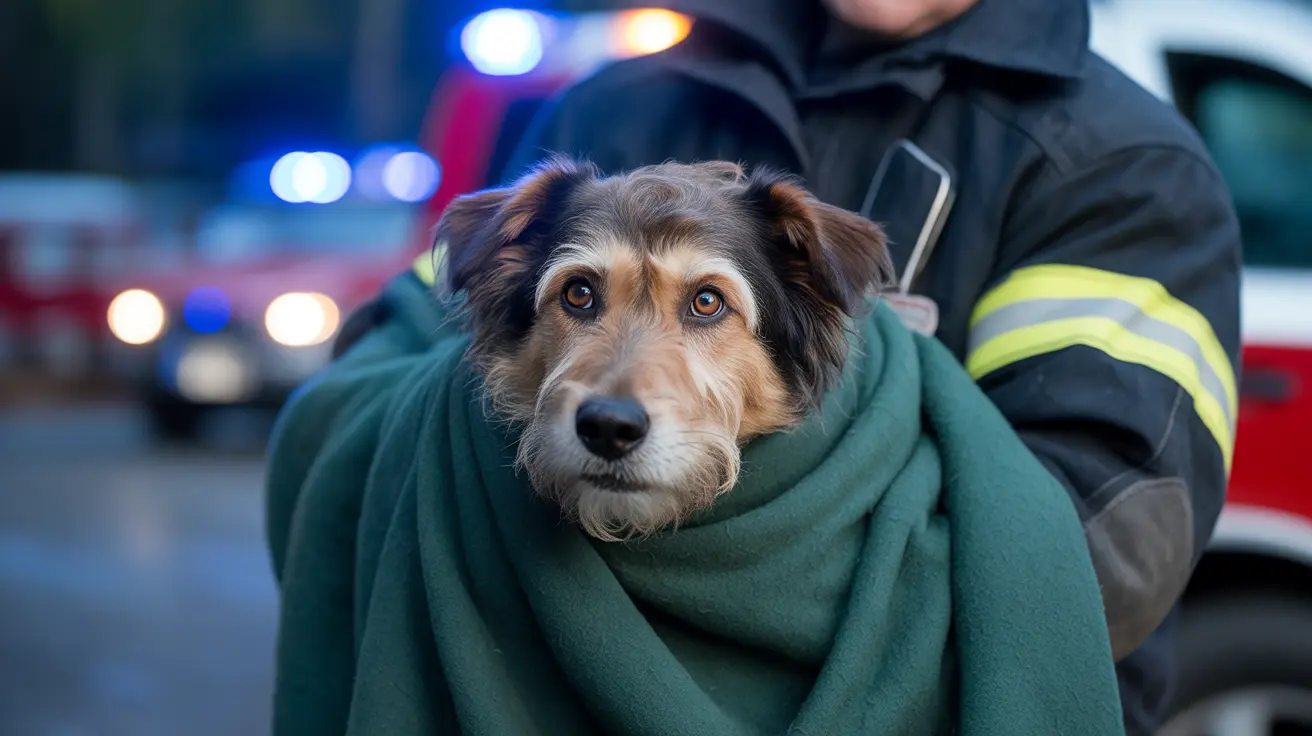
A tragic late-night house fire on Thomas Street in Myrtle Creek has claimed the lives of two people and several animals, according to the Myrtle Creek Police Department. The devastating incident, which occurred around 11:09 p.m. on Monday in south Douglas County, Oregon, serves as a sobering reminder of how quickly emergencies can strike and the critical importance of emergency pet care planning for all pet owners.
This heartbreaking event highlights the vulnerability of our beloved pets during house fires and other sudden disasters. While we cannot predict when emergencies will occur, responsible pet ownership includes preparing comprehensive safety plans that protect our furry family members when seconds matter most.
Understanding Pet Safety Risks During Home Emergencies
House fires pose unique dangers to pets, who may become confused, hide, or be unable to escape on their own. Unlike humans who can quickly assess escape routes, animals often rely on their owners' guidance during crisis situations. Emergency pet care preparation becomes essential for every household with pets, as these situations can escalate rapidly with little warning.
Pets may react unpredictably to smoke, flames, and loud noises. Cats frequently seek hiding spots in closets or under furniture, while dogs might become disoriented or refuse to leave familiar surroundings. Understanding these behavioral patterns helps pet owners develop more effective emergency response strategies.
Essential Animal Health Considerations During Disasters
During emergencies, maintaining your pet's animal health becomes challenging but crucial. Smoke inhalation can cause serious respiratory problems in both cats and dogs, while burns and injuries may require immediate veterinary attention. Having a clear plan for accessing emergency veterinary care can make the difference between life and death for injured pets.
Pet owners should maintain updated medical records and ensure current pet vaccination status, as emergency shelters or boarding facilities may require proof of immunizations. Keep copies of vaccination records and medical information in your emergency kit alongside human documents.
Creating Your Pet Emergency Preparedness Plan
Vet Visits and Documentation
Regular vet visits help establish baseline health records that prove invaluable during emergencies. Your veterinarian can provide guidance on emergency protocols specific to your pet's needs and health conditions. Maintain relationships with both your primary veterinarian and identify 24-hour emergency animal hospitals in your area.
Emergency Supply Kit Essentials
Prepare a dedicated emergency kit for your pets that includes at least three days' worth of food and water, medications, first aid supplies, carriers or crates for each animal, and comfort items like favorite toys or blankets. Include recent photos of your pets and their microchip information to aid in identification if you become separated.
Dog Nutrition and Cat Behavior During Stress
Emergency situations can significantly impact your pets' eating habits and behavior. Dog nutrition requirements may change due to stress, and you might notice changes in appetite or digestive issues. Similarly, cat behavior often becomes more erratic during stressful events, with some cats refusing to eat while others may overeat when anxious.
Maintaining familiar feeding routines as much as possible helps provide comfort and stability during chaotic situations. Pack familiar foods in your emergency kit, as sudden diet changes can cause additional stress and digestive problems when pets are already traumatized.
Post-Emergency Care Considerations
Dog Grooming and Cat Dental Care
After surviving a house fire or similar emergency, pets may require special attention to dog grooming needs, particularly if they've been exposed to smoke or debris. Professional grooming may be necessary to remove harmful residues from their coats. Cat dental care should also be monitored, as stress can impact oral health and eating habits.
Watch for signs of respiratory distress, burns, or injuries that may not be immediately apparent. Even pets who appear unharmed may have inhaled smoke or sustained minor injuries that require veterinary evaluation.
Frequently Asked Questions
How often should I take my pet to the veterinarian?
Pets should generally have a check-up with the veterinarian at least once a year, or more frequently if they have specific health concerns.
What is the best diet for my dog or cat?
A balanced diet suitable for your pet's age, size, and health needs is essential. Consult your veterinarian to determine the best nutrition plan.
How can I improve my pet's behavior?
Consistent training, socialization, and positive reinforcement are key to managing pet behavior effectively.
What are common signs of illness in pets?
Changes in appetite, lethargy, vomiting, diarrhea, or unusual behavior may indicate health issues — consult your vet promptly.
How can I keep my pet safe during emergencies?
Have an emergency kit ready, keep contact information for your vet and local animal rescue, and prepare a pet evacuation plan.
Moving Forward with Prevention and Preparedness
While we cannot prevent all disasters, we can significantly improve our pets' chances of survival through proper planning and preparation. The tragic loss of life in the Myrtle Creek house fire reminds us that emergency pet care planning is not optional—it's an essential responsibility of pet ownership.
Take time today to review your family's emergency preparedness plan and ensure your pets are included in every aspect. Their lives may depend on the preparations you make now, before disaster strikes.




