
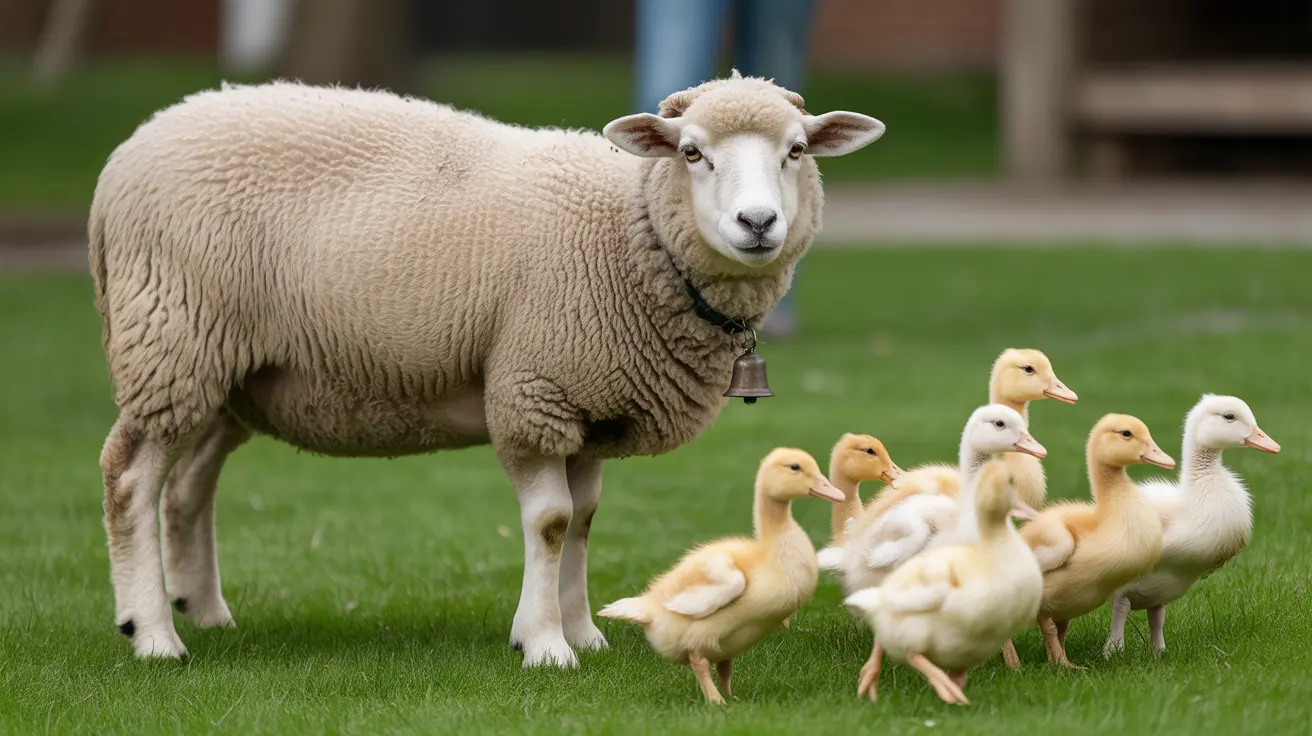
Students at Ferndale schools recently welcomed an exciting array of farm animal school visits that brought agriculture education directly to their classrooms. The special educational program, organized by Upland Hills Farm, featured live animals including cows, sheep, goats, ducklings, chickens, and more, creating an unforgettable hands-on learning experience for urban students.
These farm animal visitation programs represent a growing trend in educational settings, bridging the gap between urban environments and rural agricultural knowledge. For many Ferndale students, this visit provided their first opportunity to interact with farm animals up close, making it a significant milestone in their educational journey.
Educational Benefits of Farm Animal School Visits
Farm animal school visits offer invaluable learning opportunities that extend far beyond traditional classroom instruction. When students interact with animals like the sheep, goats, ducklings, and chickens that visited Ferndale schools, they engage multiple senses and learning styles simultaneously.
These programs help students develop empathy, responsibility, and respect for animals while learning about animal care, biology, and agriculture. The hands-on nature of these experiences creates lasting memories that textbooks simply cannot provide, making complex agricultural concepts accessible and engaging for young learners.
STEM Farm Education Integration
Modern agricultural education programs seamlessly integrate science, technology, engineering, and mathematics concepts. During animal visits, students can observe animal behavior, learn about different species' needs, and understand basic veterinary care principles.
These experiences introduce students to career possibilities in veterinary science, animal husbandry, and agriculture while fostering critical thinking skills. The interactive nature of farm animal programs encourages students to ask questions and seek answers through direct observation and hands-on exploration.
Community Farm Partnerships
The collaboration between Ferndale schools and Upland Hills Farm demonstrates the value of community farm partnerships in education. These relationships benefit both educational institutions and local agricultural operations by creating meaningful connections between urban students and rural farming practices.
Such partnerships help preserve agricultural knowledge and traditions while introducing new generations to farming concepts. They also support local farm businesses by showcasing their educational value to the community and potentially inspiring future agricultural enthusiasts.
Animal Care School Programs and Safety
Successful farm animal visitation programs prioritize both educational value and safety. Professional handlers ensure that all animals are well-socialized, healthy, and appropriate for school environments. Students learn proper animal handling techniques and respect for animal welfare during these interactions.
These programs typically include instruction on gentle touching, appropriate behavior around animals, and basic animal care principles. Such education helps students develop a lifelong appreciation for proper animal treatment and responsible pet ownership.
Spring Farm Animal Visits: Perfect Timing
Spring represents an ideal time for educational farm animals to visit schools, as this season often coincides with new births on farms and increased animal activity. Students can observe young animals like ducklings and chicks, learning about animal life cycles and seasonal farming activities.
The timing also aligns with many schools' science curricula that focus on life sciences and biology during spring months, making these visits perfectly complementary to existing lesson plans.
Frequently Asked Questions
What educational benefits do farm animal visits provide for school children?
Farm animal visits enhance learning through hands-on experiences that develop empathy, responsibility, and scientific observation skills. Students gain direct knowledge about animal behavior, care requirements, and agricultural processes while engaging multiple learning styles simultaneously.
How can schools arrange a farm animal visitation program like Upland Hills Farm?
Schools can contact local farms that offer educational programs, check with agricultural extension offices, or research mobile farm programs in their area. It's important to verify the farm's experience with school visits, safety protocols, and educational curriculum alignment before booking.
What types of animals are typically brought to schools for educational visits?
Common animals for school visits include gentle farm animals like sheep, goats, chickens, ducklings, rabbits, and sometimes cows or pigs. The selection depends on the animals' temperament, size appropriate for the venue, and the educational goals of the program.
Why are farm animal programs important for urban students' agricultural literacy?
Urban students often have limited exposure to agriculture and farm animals, making these programs crucial for developing agricultural literacy. These experiences help students understand food production, animal welfare, and rural life while fostering appreciation for farming communities.
What safety measures are needed for farm animal interactions in schools?
Safety measures include having trained handlers present, ensuring animals are healthy and well-socialized, establishing clear interaction guidelines for students, maintaining appropriate supervision ratios, and having sanitization procedures in place for before and after animal contact.
Conclusion
The Ferndale students' experience with Upland Hills Farm animals represents the powerful impact of bringing agriculture education directly to urban classrooms. These farm animal school visits create meaningful learning opportunities that extend far beyond traditional teaching methods, inspiring curiosity about the natural world and agricultural practices.
As more schools recognize the value of hands-on farm learning experiences, programs like these will continue to bridge the gap between urban and rural communities while fostering the next generation's understanding and appreciation of agriculture and animal care.




