
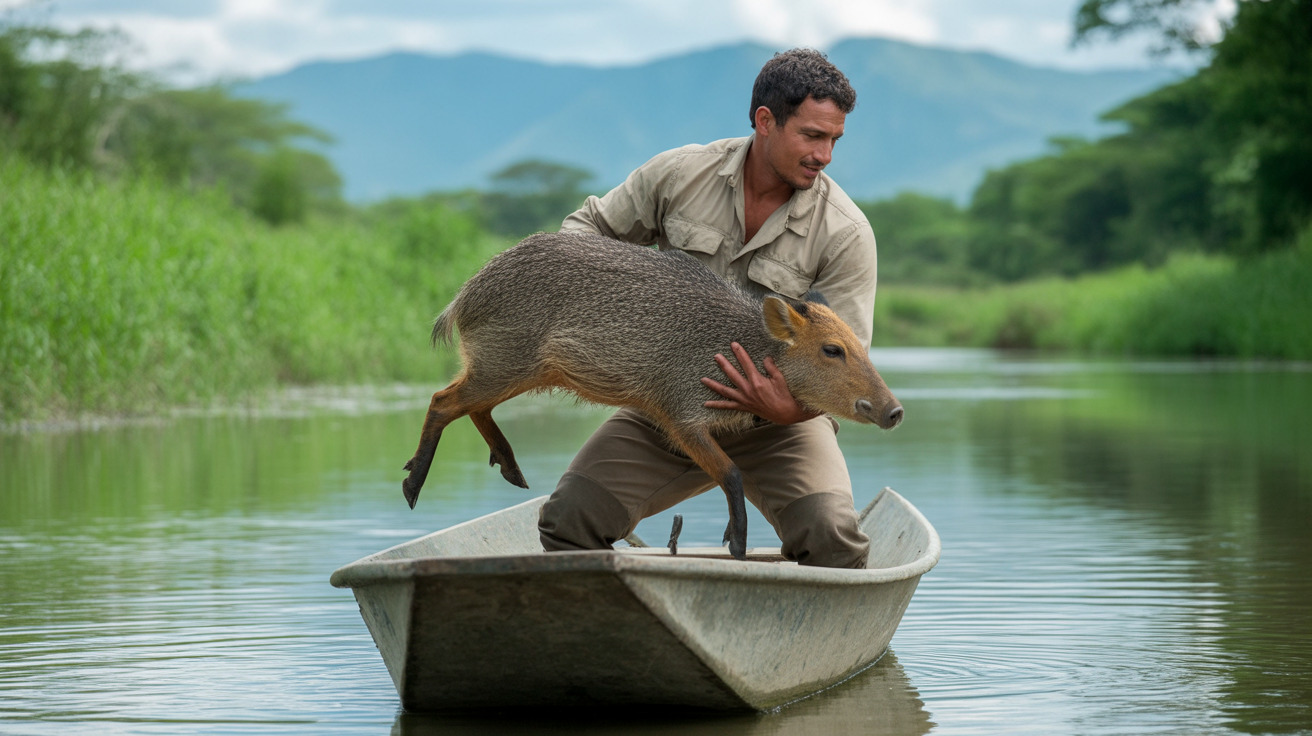
George B. Schaller stands as one of the most influential field biologists of the modern era, dedicating his life to understanding and protecting some of the world's most magnificent and endangered species. Through decades of groundbreaking research across continents, this pioneering scientist helped redefine how we approach wildlife conservation, moving beyond simple species protection to comprehensive landscape conservation methods that consider entire ecosystems.
From the misty mountains where mountain gorillas roam to the vast plains of the Serengeti, Schaller's work has fundamentally changed our understanding of animal behavior and conservation strategies. His research has directly influenced the creation of protected areas and shaped modern wildlife protection strategies that continue to benefit endangered species recovery efforts worldwide.
Mountain Gorilla Research: Revolutionary Behavioral Studies
George Schaller's mountain gorilla research marked a turning point in primatology and conservation science. His pioneering gorilla behavior studies challenged previous misconceptions about these gentle giants, revealing their complex social structures and peaceful nature. This groundbreaking work laid the foundation for all subsequent mountain gorilla conservation efforts and demonstrated the importance of long-term field observations in understanding animal behavior.
The insights gained from Schaller's research directly contributed to the establishment of protected habitats and informed conservation strategies that have helped mountain gorilla populations slowly recover from the brink of extinction. His methodical approach to studying these primates in their natural habitat became the gold standard for field biology research.
Big Cat Research: Lions, Tigers, and Snow Leopards
Schaller's expertise extended far beyond primates to encompass comprehensive big cat research across multiple continents. His lion ecology Serengeti studies provided crucial insights into predator-prey relationships and social dynamics that shaped our understanding of African ecosystems. This research proved instrumental in developing effective wildlife protection strategies for large carnivores.
Tiger Conservation Asia Initiatives
In Asia, George Schaller's tiger conservation work addressed the urgent need to protect these magnificent predators from habitat loss and poaching. His research highlighted the critical importance of maintaining large, connected territories for tiger populations to thrive, influencing the creation of tiger reserves and corridors across Asia.
Snow Leopard Habitat Studies
Perhaps some of Schaller's most challenging work involved studying the elusive snow leopards in their harsh mountain environments. His snow leopard habitat research revealed the specific ecological requirements of these cats and emphasized the need for international cooperation in protecting high-altitude ecosystems that span multiple countries.
Giant Panda Conservation China: A Conservation Success Story
George Schaller's giant panda conservation work in China represents one of wildlife conservation's greatest success stories. His detailed studies of panda behavior, diet, and habitat requirements provided the scientific foundation for China's panda conservation programs. This research helped establish the protected reserve system that has been crucial to the giant panda's recovery from endangered status.
Schaller's collaborative approach with Chinese scientists demonstrated how international partnerships could achieve remarkable conservation results, setting a precedent for future wildlife protection initiatives worldwide.
Landscape Conservation Methods and Ecosystem Thinking
What truly sets George Schaller apart as a field biology pioneer is his holistic approach to ecosystem conservation. Rather than focusing solely on individual species, his work emphasized the importance of protecting entire landscapes and the complex relationships between all species within them. This approach has become fundamental to modern conservation science.
His landscape conservation methods consider factors such as habitat connectivity, human-wildlife interactions, and the economic needs of local communities. This comprehensive approach has proven more effective than traditional conservation strategies focused on single species or small protected areas.
The Schaller Conservation Legacy
The impact of George Schaller's work extends far beyond his individual research projects. His scientific rigor, compassionate approach to both wildlife and local communities, and advocacy for evidence-based conservation policies have influenced generations of conservationists and shaped international wildlife protection standards.
Today's most successful endangered species recovery programs often build upon principles and methods that Schaller developed through his decades of field research. His emphasis on long-term studies, community involvement, and international cooperation continues to guide conservation efforts worldwide.
Frequently Asked Questions
Who is George Schaller and why is he important for wildlife conservation?
George B. Schaller is a renowned field biologist whose groundbreaking research on gorillas, lions, tigers, pandas, and snow leopards has fundamentally shaped modern wildlife conservation. His work provided the scientific foundation for protecting endangered species and establishing protected areas worldwide.
What did George Schaller discover about mountain gorilla behavior?
Schaller's mountain gorilla research revealed these primates' peaceful nature and complex social structures, challenging previous misconceptions. His behavioral studies became the foundation for all subsequent gorilla conservation efforts and demonstrated the importance of understanding animals in their natural habitats.
How did George Schaller's research help save giant pandas?
Schaller's detailed studies of panda behavior, diet, and habitat requirements provided the scientific basis for China's panda conservation programs. His research helped establish the protected reserve system that has been instrumental in the giant panda's recovery from endangered status.
How has George Schaller's work influenced modern protected areas for big cats?
Schaller's research emphasized the need for large, connected territories and comprehensive landscape conservation approaches. His work influenced the creation of tiger reserves, lion conservation areas, and international cooperation frameworks that protect big cats across multiple countries and ecosystems.




