
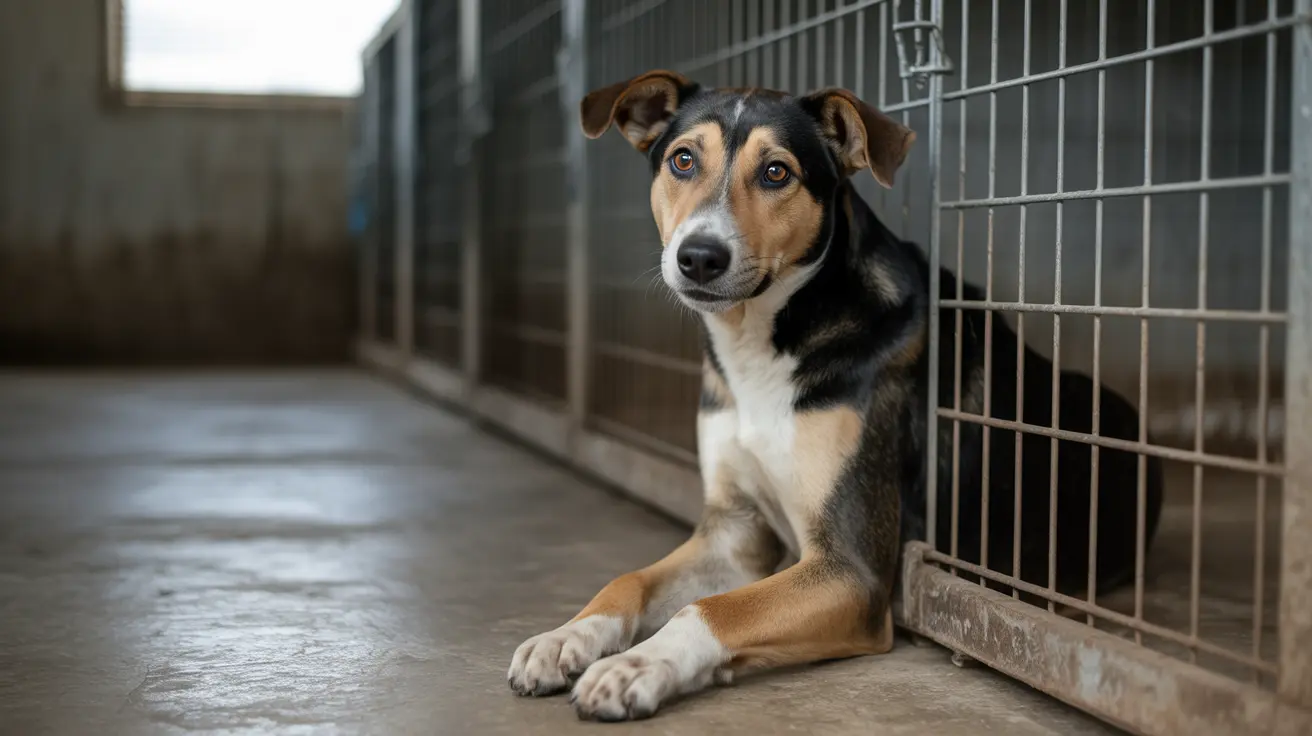
Gloucester County authorities recently completed a significant animal rescue operation, removing 18 animals from a residential property where they were living in neglectful conditions. This Gloucester County animal rescue highlights the ongoing challenges of animal hoarding and neglect cases across Virginia, bringing attention to the critical importance of community awareness and proper animal welfare protocols.
The rescue operation involved multiple agencies working together to safely remove the animals and begin investigations into the circumstances that led to their neglect. This case serves as a stark reminder for pet owners and community members about the signs of animal hoarding and the resources available for reporting suspected animal welfare violations in Virginia.
Understanding Animal Hoarding in Virginia
Animal hoarding cases like this Gloucester County incident represent a complex issue that affects both animals and their owners. Hoarding situations typically develop gradually, often beginning with good intentions but escalating beyond the caretaker's ability to provide adequate care, food, shelter, and veterinary attention for multiple animals.
Signs of animal hoarding include overcrowded living conditions, strong odors, animals appearing malnourished or ungroomed, and properties with excessive animal waste. Virginia animal cruelty laws specifically address these situations, establishing clear standards for animal care and outlining consequences for those who fail to meet basic welfare requirements.
The Rescue Operation Details
The 18 animals rescued from this Gloucester home included various species, demonstrating the diverse nature of hoarding situations. While specific details about the individual animals' conditions are part of the ongoing investigation, rescued animals from similar cases often require immediate veterinary care, rehabilitation, and behavioral assessment before they can be considered for adoption.
Gloucester animal control worked methodically to ensure each animal received appropriate immediate care. The rescue process in hoarding cases requires careful documentation, veterinary evaluation, and coordination with local shelters that can provide temporary housing and rehabilitation services.
Reporting Animal Neglect in Virginia
Community members play a crucial role in identifying and reporting suspected animal neglect or hoarding situations. If you observe potential animal welfare concerns in your neighborhood, Virginia law provides clear channels for reporting these situations to appropriate authorities.
Animal control welfare checks can be requested when residents notice signs such as multiple animals in poor conditions, strong odors emanating from properties, animals that appear malnourished or untreated for medical conditions, or properties with excessive animal waste accumulation.
Prevention and Community Support
Preventing animal hoarding situations requires community awareness and early intervention. Pet owners who find themselves overwhelmed with caring for multiple animals should seek help before conditions deteriorate. Local animal welfare organizations often provide resources, including low-cost spay and neuter services, pet food assistance, and guidance on responsible pet ownership.
Gloucester County shelter adoptions and similar programs across Virginia work to address pet overpopulation issues that can contribute to hoarding situations. Supporting these programs through volunteering, donations, or adopting pets from shelters helps reduce the number of animals in need and prevents situations that can lead to neglect.
What Happens to Rescued Animals
Following rescue operations like this one, animals typically undergo comprehensive veterinary examinations to assess their physical and behavioral health. Some animals may require extensive medical treatment, while others might need behavioral rehabilitation to prepare them for eventual adoption into loving homes.
The timeline for making rescued animals available for adoption varies depending on their individual needs, the legal proceedings surrounding the case, and the capacity of local shelters and rescue organizations. Potential adopters interested in animals from rescue situations should contact local shelters to learn about the adoption process and requirements.
Frequently Asked Questions
- What happened in the Gloucester County animal rescue of 18 neglected pets in February 2026?
Gloucester County authorities rescued 18 animals from a residential property where they were living in neglectful conditions. The animals are now receiving care while authorities investigate the circumstances that led to their neglect.
- How can I report suspected animal hoarding or neglect in Gloucester County, Virginia?
Contact Gloucester County Animal Control or local law enforcement to report suspected animal neglect or hoarding. Provide specific observations about animal conditions, property conditions, and any immediate welfare concerns you've noticed.
- What are the signs of animal hoarding, and what should pet owners watch for in their neighbors?
Signs include multiple animals in poor condition, strong odors, animals appearing malnourished or ungroomed, excessive animal waste, overcrowded living conditions, and properties showing signs of deterioration due to animal-related damage.
- Are the 18 rescued animals from the Gloucester County hoarding case available for adoption?
The availability of these specific animals for adoption depends on their medical needs, legal proceedings, and rehabilitation requirements. Contact local Gloucester County shelters for current information about adoptable animals.
- What are the penalties for animal neglect and hoarding under Virginia law?
Virginia animal cruelty laws establish penalties for animal neglect and hoarding that can include fines, jail time, and prohibition from owning animals. Specific penalties depend on the severity of the neglect and whether it's a repeat offense.




