
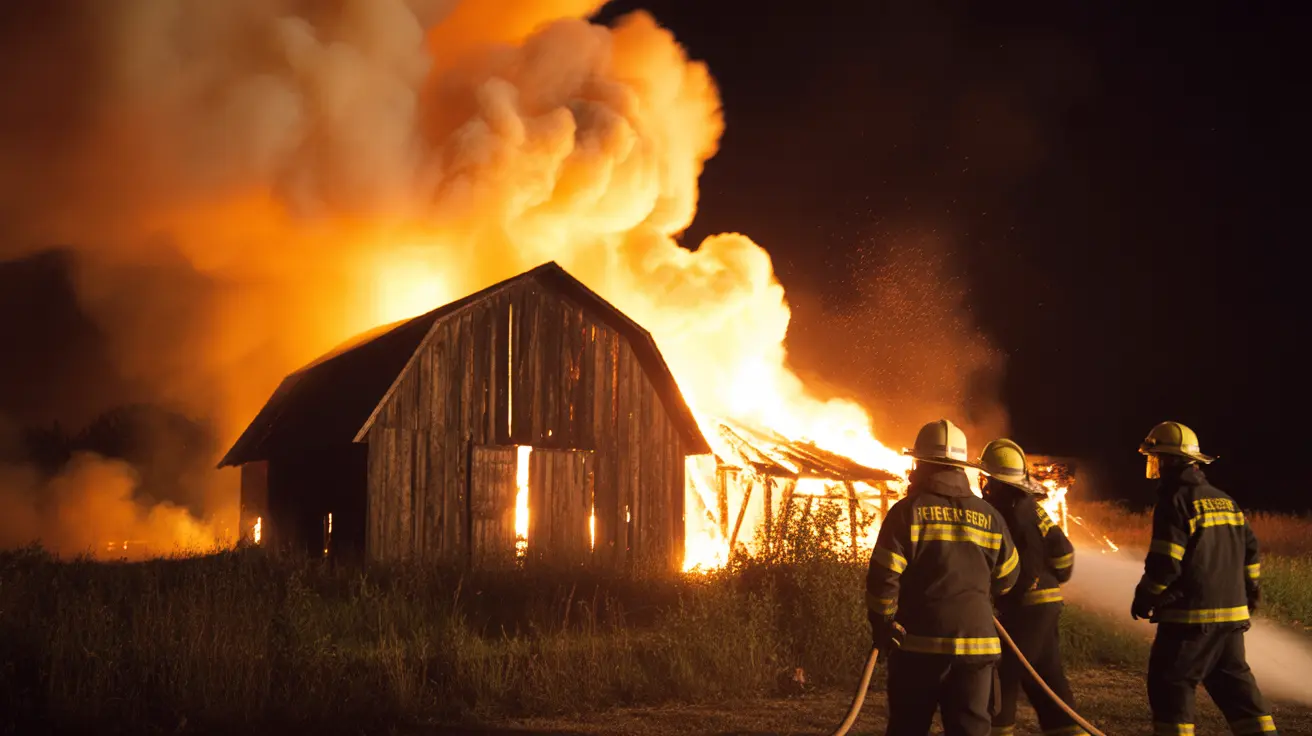
A Central Ohio family faced every hobby farmer's worst nightmare when a devastating barn fire destroyed their property and claimed the lives of more than 40 animals. This heartbreaking incident in Fairfield County serves as a stark reminder of the critical importance of barn fire prevention and emergency preparedness for anyone raising livestock, especially chickens and goats.
The tragedy highlights the vulnerability of farm animals during winter months when barns are sealed tighter and heating systems work overtime. For hobby farm owners across the country, this incident underscores the urgent need to evaluate their current safety measures and implement comprehensive fire prevention strategies to protect their beloved animals.
Understanding Winter Barn Fire Risks
Winter conditions significantly increase winter barn fire risks for several reasons. Heating equipment works harder during cold months, electrical systems face increased demand, and barns are often sealed more tightly, reducing ventilation. Additionally, dry winter air combined with stored hay and bedding materials creates ideal conditions for rapid fire spread.
Many hobby farmers underestimate how quickly a barn fire can engulf a structure. Most barn fires reach dangerous temperatures within minutes, leaving little time for animal evacuation. This reality makes prevention the absolute priority for protecting livestock.
Essential Hay Storage Fire Safety Measures
Proper hay storage fire safety forms the foundation of barn fire prevention. Never store hay that hasn't been properly cured, as moisture content above 20% can lead to spontaneous combustion. Store hay in well-ventilated areas away from electrical equipment and heat sources.
Regular temperature monitoring of hay storage areas can help detect dangerous heat buildup before it reaches ignition point. Consider investing in hay moisture meters and temperature probes as early warning systems.
Preventing Electrical Barn Fires
Preventing electrical barn fires requires regular professional inspections of all wiring, especially in older barns. Ensure all electrical installations meet current safety codes and use appropriate outlets for outdoor/barn environments. Avoid running extension cords permanently and never use damaged electrical equipment.
Install ground fault circuit interrupters (GFCIs) in all barn electrical systems, and ensure proper grounding of all equipment. Regular maintenance of heating systems, including space heaters and heat lamps, prevents dangerous malfunctions that could spark fires.
Creating an Effective Barn Fire Evacuation Plan
Every hobby farm needs a comprehensive barn fire evacuation plan that all family members understand. Practice animal evacuation procedures regularly, ensuring you can quickly access and move your livestock to safety. Keep halters, leads, and portable panels easily accessible near exits.
Install multiple escape routes for both humans and animals. Wide doors and gates should open outward and remain unobstructed. Consider installing emergency lighting systems that function during power outages.
Protecting Goats and Chickens from Barn Fires
Protecting goats from barn fires and ensuring chicken barn fire safety requires species-specific considerations. Goats can be trained to follow evacuation procedures, while chickens may require catching and containment systems. Design housing with easy access for emergency animal removal.
For chicken coops, avoid heat lamps when possible, opting for safer heating alternatives like radiant heaters designed specifically for poultry. Ensure adequate spacing between heat sources and combustible materials.
Essential Fire Safety Equipment
Every barn should contain appropriate fire suppression equipment. An ABC fire extinguisher barn setup includes extinguishers rated for ordinary combustibles, flammable liquids, and electrical fires. Place extinguishers near exits and ensure all family members know how to use them.
Consider installing automatic sprinkler systems in larger barns, though these require professional installation and maintenance. Smoke detectors specifically designed for barn environments can provide early warning of developing fires.
Frequently Asked Questions
How can I prevent barn fires on my hobby farm with chickens and goats?
Focus on electrical safety, proper hay storage, regular equipment maintenance, and heat source management. Install GFCI outlets, keep hay properly cured and ventilated, and maintain safe distances between heat sources and combustible materials. Regular professional inspections help identify potential hazards before they become dangerous.
What should I do to evacuate animals like goats and chickens during a barn fire?
Develop and practice a clear evacuation plan with multiple escape routes. Keep halters and leads readily accessible for goats, and have secure carriers or temporary enclosures ready for chickens. Train family members on animal handling procedures and identify safe relocation areas away from the barn.
Why are barn fires so common in winter on farms with livestock?
Winter increases fire risks through higher heating demands, reduced ventilation in sealed barns, dry air conditions, and increased electrical loads. Heating equipment works harder, creating more opportunities for malfunction, while stored dry materials like hay and bedding provide abundant fuel for fires.
Taking Action to Protect Your Farm
The Fairfield County barn fire tragedy reminds us that fire prevention isn't optional—it's essential for protecting the animals we care for. Take time now to assess your barn's fire safety measures, update your evacuation plans, and invest in proper safety equipment. Your livestock depends on your preparation and vigilance to keep them safe from this devastating threat.




