
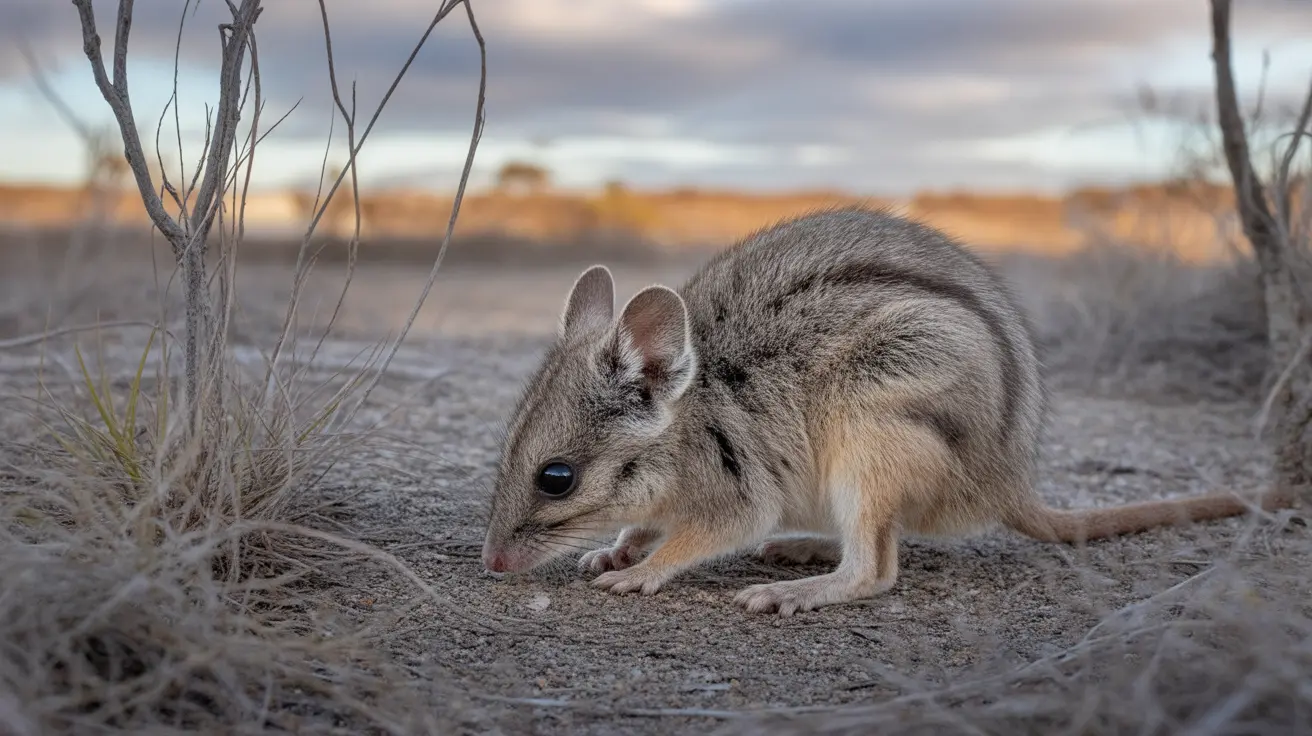
The Impact of 2020 Bushfires on Kangaroo Island Wildlife
The catastrophic bushfires that raged across Kangaroo Island in early 2020 devastated vast areas of critical habitat for native wildlife. The fires burned through approximately half of the island's landmass, creating an environmental crisis that pushed already vulnerable species like the Kangaroo Island dunnart closer to extinction.
These tiny marsupials, weighing less than 30 grams when fully grown, had already been struggling with habitat loss and predation pressure from feral cats. The addition of widespread fire damage to their remaining habitat created an urgent need for immediate conservation intervention to prevent total population collapse.
Western River Refuge Fence: A Barrier Against Extinction
The Western River Refuge fence represents a cutting-edge approach to wildlife protection, designed specifically to keep feral predators out while allowing native species to thrive within its boundaries. This specialized barrier has created a safe haven where endangered species can recover without the constant threat of cat predation.
The fence's innovative design addresses the specific behaviors and capabilities of feral cats, incorporating features that prevent these agile predators from climbing, digging under, or jumping over the barrier. This comprehensive approach ensures that the protected area remains truly secure for vulnerable native wildlife.
Cat-Proof Fence Design Elements
Modern predator-proof fencing incorporates several key design elements to maximize effectiveness. These barriers typically feature smooth surfaces that prevent climbing, buried mesh to prevent digging, and specific height requirements that exceed the jumping capabilities of target predators.
The engineering behind these fences draws on extensive research into feral cat behavior and physical abilities, ensuring that even the most determined predators cannot breach the protected areas.
Feral Cat Eradication Kangaroo Island Programs
Beyond the fence itself, comprehensive feral cat removal efforts have been essential to the overall success of the conservation program. These initiatives combine traditional trapping methods with modern technologies to locate and remove cats from sensitive areas.
The Dudley Peninsula cat program exemplifies how targeted eradication efforts can complement physical barriers to create truly effective protection zones. By systematically removing feral cats from areas adjacent to protected zones, conservationists reduce the overall predation pressure on native wildlife populations.
Technologies in Feral Cat Removal
Advanced monitoring technologies play a crucial role in modern feral cat eradication programs. Motion-activated cameras, GPS tracking collars, and acoustic monitoring devices help conservation teams locate cat populations and assess the effectiveness of removal efforts.
These technological tools allow for more precise and humane management strategies while minimizing impacts on non-target native species that share the same habitats.
Endangered Marsupials Australia: A Broader Conservation Context
The success of the Kangaroo Island dunnart recovery program provides valuable lessons for protecting other endangered marsupials across Australia. Similar predator-proof fencing projects are being implemented in various locations to protect species like bilbies, bettongs, and native rodents from feral predator impacts.
The collaboration between the Australian Wildlife Conservancy and Ngarrindjeri Traditional Owners conservation efforts demonstrates the importance of combining traditional ecological knowledge with modern conservation science to achieve the best outcomes for native wildlife.
Frequently Asked Questions
How has the predator-proof fence on Kangaroo Island helped the endangered dunnart recover after the 2020 bushfires?
The predator-proof fence has created a safe refuge area where Kangaroo Island dunnarts can breed and raise their young without the constant threat of feral cat predation. Since the fence's construction, monitoring data shows that wildlife populations within the protected area are beginning to recover their numbers, offering hope for the species' long-term survival.
Why are feral cats such a major threat to native wildlife like the Kangaroo Island dunnart and small birds?
Feral cats are highly efficient predators that kill billions of native animals annually across Australia. Small marsupials like the Kangaroo Island dunnart and ground-dwelling birds such as the western whipbird and Bassian thrush are particularly vulnerable because they evolved without cat-like predators and lack effective defensive behaviors against these introduced hunters.
What role do local communities and Traditional Owners play in Kangaroo Island's feral cat control and biodiversity recovery?
Local communities and Traditional Owners provide essential knowledge about animal behavior, habitat requirements, and traditional land management practices that inform modern conservation strategies. Their ongoing involvement ensures that conservation programs respect cultural values while achieving effective wildlife protection outcomes through collaborative management approaches.
A Conservation Success Story Worth Celebrating
The recovering Kangaroo Island dunnart population demonstrates that with proper planning, community support, and innovative conservation techniques, even critically endangered species can be pulled back from the brink of extinction. This success story offers hope for wildlife conservation efforts worldwide and highlights the importance of taking swift action to protect vulnerable species before it's too late.
For pet owners, this conservation triumph serves as a reminder of the importance of responsible pet ownership, including keeping domestic cats contained to prevent them from impacting local wildlife populations. Every action we take to protect native species contributes to preserving Australia's unique biodiversity for future generations.




