
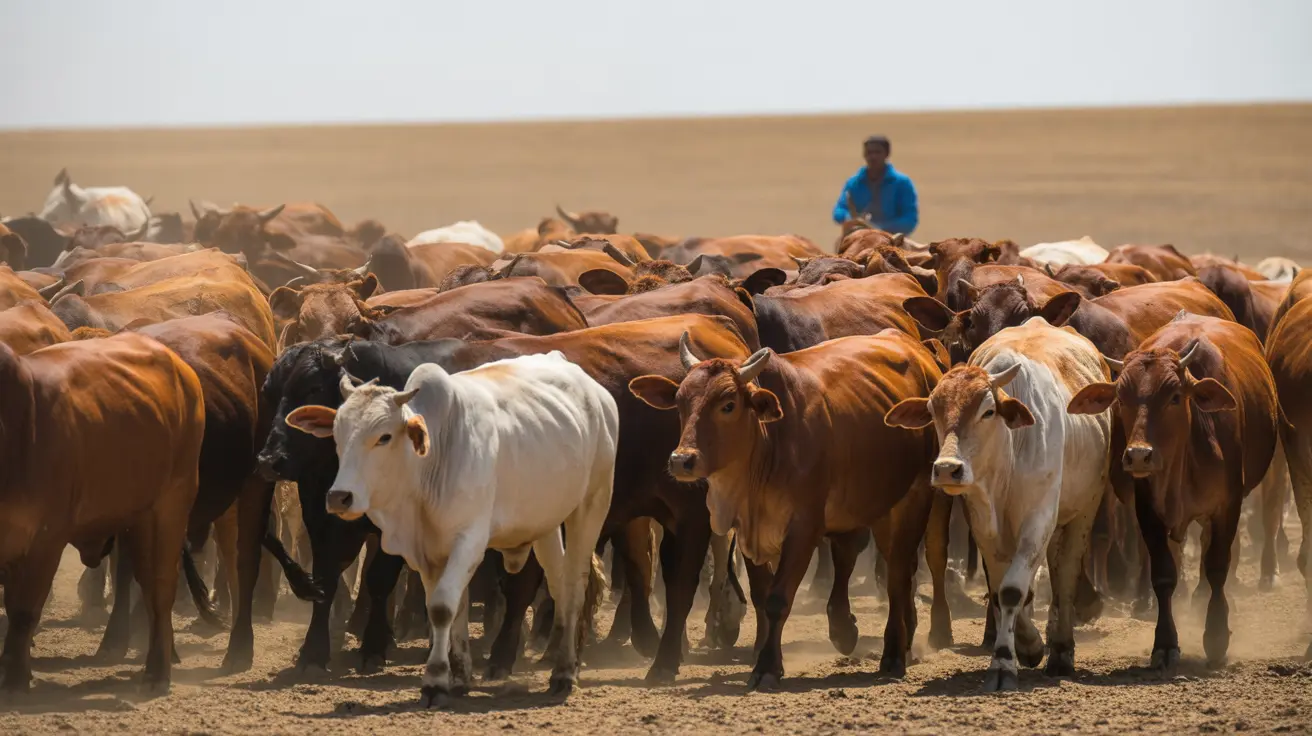
The Kenya drought 2025 has emerged as one of the most severe climate disasters to strike East Africa in recent years, leaving a trail of devastation across pastoral communities. As prolonged dry conditions persist, livestock are dying in alarming numbers, while families face mounting food insecurity and displacement. This crisis exposes the harsh reality of climate injustice on our warming planet, where vulnerable communities bear the brunt of environmental changes they did little to cause.
For pet owners and animal lovers worldwide, the images coming from Kenya serve as a stark reminder of how climate change affects all animals—from beloved companion pets to the livestock that millions of families depend on for survival. The drought's impact extends far beyond immediate animal welfare concerns, creating a cascade of social and economic disruptions that threaten entire communities.
East Africa Climate Change: A Growing Threat to Animal Welfare
The current drought represents more than just a temporary weather event—it's part of a broader pattern of East Africa climate change that's reshaping the region's environmental landscape. Rising global temperatures and shifting precipitation patterns have made droughts more frequent and severe, creating unprecedented challenges for both wild and domestic animals.
Climate scientists point to increasingly erratic rainfall patterns as a key factor in the region's mounting agricultural and pastoral crises. These changes don't just affect large-scale farming operations; they also impact the smallest livestock operations that families depend on for milk, meat, and income.
Livestock Crisis Kenya: When Animals Pay the Ultimate Price
The livestock crisis Kenya is experiencing reflects the devastating impact drought has on animal populations. Cattle, goats, camels, and other livestock are dying from dehydration and starvation as water sources dry up and pasture lands turn barren. For pastoral communities, these animals represent more than just economic assets—they're integral to cultural identity and survival.
When livestock perish during drought, families lose their primary source of nutrition and income. The ripple effects include increased malnutrition among children, forced migration to urban areas, and the breakdown of traditional pastoral ways of life that have sustained communities for generations.
Understanding Drought Impact on Pastoral Communities
The drought impact on pastoral communities extends beyond immediate animal losses. These communities have developed sophisticated systems for managing livestock in challenging environments, but extreme weather events can overwhelm even the most resilient traditional practices.
Pastoral families often must make difficult decisions about which animals to save when resources become scarce. They may sell livestock at drastically reduced prices or watch helplessly as their herds dwindle. This not only affects current livelihoods but also undermines future recovery prospects, as breeding stock is lost.
Water Scarcity East Africa: The Root of the Crisis
Water scarcity East Africa faces has become the primary driver of livestock mortality and human displacement. Rivers and traditional water sources have dried up, forcing both animals and people to travel increasingly long distances for water. This creates additional stress on already weakened livestock and increases the risk of conflicts over remaining water resources.
The situation highlights the critical importance of water conservation and management strategies. Communities that have invested in water storage and conservation infrastructure tend to fare better during drought periods, though even these preparations may prove insufficient during extreme events.
Climate Adaptation East Africa: Building Resilience for the Future
Addressing the ongoing crisis requires comprehensive climate adaptation East Africa strategies that protect both human and animal populations. This includes developing drought-resistant agricultural practices, improving water storage and distribution systems, and supporting communities in diversifying their livelihoods beyond traditional pastoralism.
Early warning systems play a crucial role in drought preparedness, allowing communities to take preventive measures such as destocking livestock before conditions become critical. International aid organizations and government agencies are working to strengthen these systems and improve emergency response capabilities.
Frequently Asked Questions
What caused the Kenya drought of 2025-2026?
The drought was primarily caused by prolonged periods of below-average rainfall, intensified by climate change and shifting weather patterns in East Africa.
How does drought affect livestock in pastoral communities?
Drought reduces water and pasture availability, leading to livestock dehydration, starvation, and high mortality rates among cattle, goats, and camels.
What are the main impacts of drought on food security in Kenya?
Drought leads to crop failures and livestock losses, causing food shortages, increased hunger, and malnutrition among vulnerable populations.
How is climate change contributing to recurring droughts in East Africa?
Climate change causes unpredictable weather patterns and erratic rainfall, intensifying drought frequency and severity in the region.
What measures are being taken to mitigate the effects of drought in Kenya?
Responses include water conservation efforts, humanitarian aid, drought-resistant crop initiatives, and climate adaptation programs by government and NGOs.
Moving Forward: Lessons for Global Animal Welfare
The Kenya drought crisis serves as a sobering reminder of climate change's far-reaching effects on animal welfare worldwide. While pet owners in developed countries may not face such extreme challenges, understanding these global issues helps build empathy and support for international relief efforts.
As we witness the suffering of both animals and people in drought-affected regions, we're reminded of our interconnectedness and shared responsibility to address climate change. Supporting organizations working on drought relief and climate adaptation can help protect vulnerable communities and their animals while building resilience against future crises.




