
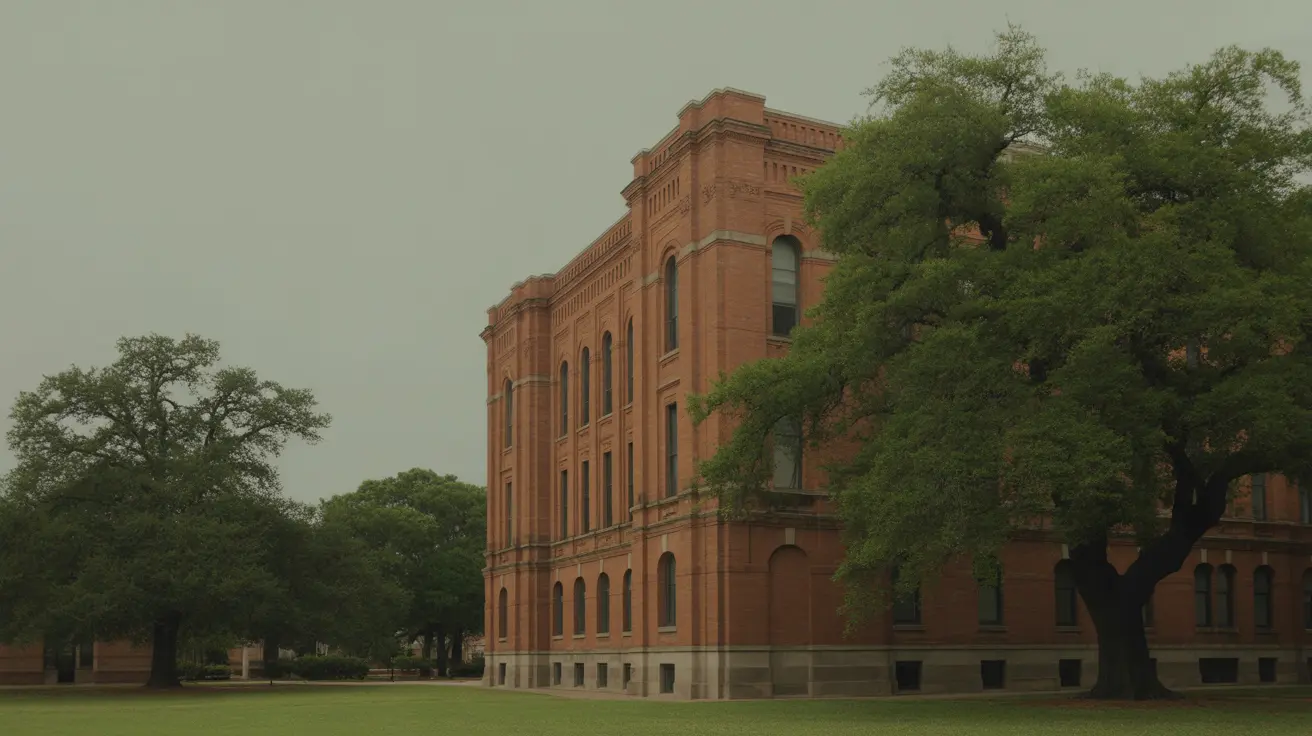
A shocking animal welfare incident at Louisiana State University has prompted a federal complaint after dozens of research animals were reportedly found dead in an abandoned laboratory. Stop Animal Exploitation Now (SAEN), a watchdog organization that monitors research facilities for fraud and animal abuse, has filed an administrative complaint with LSU Chancellor Dr. Jim Dalton regarding the LSU animal lab deaths.
The disturbing discovery highlights ongoing concerns about animal welfare standards in university research facilities and raises questions about oversight protocols that are meant to protect vulnerable animals used in scientific studies. For pet owners and animal advocates, this incident underscores the importance of proper animal care standards across all institutional settings.
SAEN LSU Complaint Details Federal Animal Welfare Violations
SAEN's administrative complaint to LSU Chancellor Jim Dalton centers on the abandonment of research animals that led to their deaths. The organization, which specializes in exposing research facility violations, discovered the abandoned LSU lab animals during their ongoing monitoring of university research programs.
This type of neglect represents a serious breach of federal animal welfare regulations that govern how research institutions must care for animals under their supervision. Universities receiving federal funding for animal research are required to maintain strict protocols ensuring proper housing, feeding, veterinary care, and humane treatment of all research animals.
Animal Welfare LSU Standards Under Scrutiny
The incident raises broader questions about animal welfare LSU protocols and whether adequate safeguards exist to prevent such tragic outcomes. Research facilities are typically required to have comprehensive animal care programs that include:
- Daily monitoring and feeding schedules for all animals
- Proper veterinary oversight and medical care
- Emergency protocols for facility closures or staff changes
- Regular inspections by institutional animal care committees
When these systems fail, as appears to have happened in this case, the consequences can be devastating for the animals involved. Pet owners can relate to the fundamental responsibility of ensuring animals receive consistent, proper care regardless of circumstances.
Taxpayer Funded Animal Testing Accountability
Many university research programs involving animals receive taxpayer funded animal testing support through federal grants and institutional funding. This public investment creates an additional layer of accountability, as taxpayers have a legitimate interest in ensuring their money supports ethical research practices.
The LSU incident highlights the need for robust oversight mechanisms to protect both animal welfare and public trust in research institutions. Universities must demonstrate that they can responsibly manage animal research programs before receiving continued public funding support.
Animal Testing Alternatives and Modern Research
Incidents like the LSU animal lab deaths often reignite discussions about animal testing alternatives NIH and other agencies promote. Modern research increasingly embraces alternative methods including computer modeling, cell cultures, and other innovative approaches that can reduce reliance on animal testing.
While some animal research remains necessary for medical advances, the scientific community continues developing more humane alternatives. Pet owners interested in supporting ethical research can look for organizations that prioritize these alternative methods while maintaining scientific rigor.
Moving Forward: Lessons for Animal Care
This tragic incident serves as a reminder that all animals, whether pets or research subjects, deserve consistent, compassionate care. The basic principles that guide responsible pet ownership—regular feeding, medical attention, safe housing, and humane treatment—apply equally to research settings.
For pet owners, this story reinforces the importance of choosing veterinarians, boarding facilities, and other animal care providers who demonstrate genuine commitment to animal welfare through their actions, not just their policies.
Frequently Asked Questions
What happened to the animals in the abandoned LSU research lab?
According to SAEN's complaint, dozens of research animals were found dead after being abandoned by staff at an LSU research laboratory. The organization filed an administrative complaint with LSU Chancellor Dr. Jim Dalton regarding this incident.
Which advocacy groups are investigating animal abuse at LSU labs?
Stop Animal Exploitation Now (SAEN) is the primary organization investigating this incident. SAEN specializes in monitoring research facilities for fraud and animal abuse, and they filed the administrative complaint with LSU officials.
Are there alternatives to animal testing being pushed amid LSU scandals?
Yes, the scientific community continues developing animal testing alternatives that agencies like the NIH promote. These include computer modeling, cell cultures, and other innovative approaches that can reduce reliance on animal testing while maintaining research quality and scientific integrity.
Conclusion
The LSU animal lab deaths represent a serious breach of animal welfare standards that demands accountability and reform. This incident reminds us that protecting vulnerable animals requires constant vigilance, whether in research facilities or our own homes.
As this investigation unfolds, it serves as a call to action for stronger oversight of animal research programs and continued investment in humane alternatives. Every animal deserves proper care and protection from neglect.




