
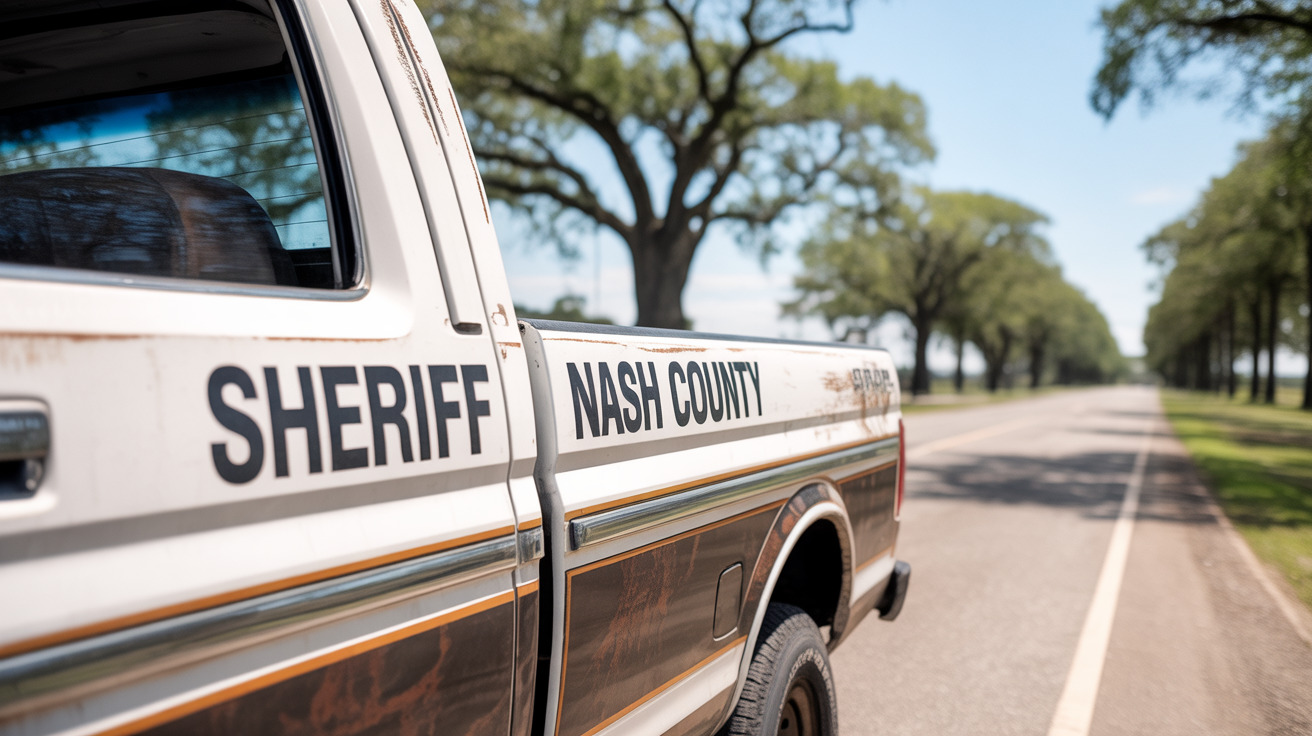
Understanding Animal Hoarding and Neglect Cases
The Elm City neglect case represents a common pattern seen in animal hoarding situations across North Carolina and nationwide. When investigators find multiple deceased animals alongside poor living conditions, it typically indicates a breakdown in the caregiver's ability to provide basic necessities like food, water, veterinary care, and sanitation.
Pet owners should regularly assess their ability to provide proper care for all animals in their household. Warning signs of potential problems include inability to maintain clean living spaces, lack of access to fresh water, accumulation of waste, and taking in more animals than can be adequately cared for.
The Link Between Animal and Child Abuse
Law enforcement and social services professionals recognize a well-documented phenomenon called "The Link" - the connection between animal cruelty and domestic violence, including child abuse. Research consistently shows that homes where animals suffer neglect or abuse often harbor other forms of family violence.
In cases like Amanda Wiersma's arrest, where both animal cruelty and child neglect charges are filed simultaneously, investigators understand that the welfare of both vulnerable populations must be protected. Child protective services and animal control agencies increasingly coordinate their efforts to address these interconnected issues.
Recognizing Signs of Animal Neglect
Pet owners and community members should be aware of conditions that constitute animal neglect or abuse. Basic necessities for animal welfare include:
- Access to clean, fresh water at all times
- Appropriate food and nutrition for the animal's age and health needs
- Adequate shelter from weather extremes
- Regular veterinary care for illness and injury
- Clean living conditions free from excessive waste buildup
- Proper socialization and exercise appropriate to the species
When these basic needs are not met consistently, animals suffer and the situation may escalate to the point where legal intervention becomes necessary.
Reporting Animal Neglect in North Carolina
Community members who witness suspected animal cruelty or neglect should know how to report these situations properly. In Nash County and throughout North Carolina, several agencies can respond to animal welfare concerns:
Local sheriff's departments, animal control officers, and the North Carolina Department of Agriculture all play roles in investigating animal cruelty cases. The NC Sheriff Animal Control units are specially trained to assess living conditions and determine when criminal charges are warranted.
Early intervention through proper reporting can prevent situations from deteriorating to the point seen in the Nash County case, potentially saving both animal and human lives.
Legal Consequences of Animal Cruelty in North Carolina
North Carolina law takes animal cruelty seriously, with felony charges carrying significant penalties. The state recognizes that severe neglect resulting in animal death or prolonged suffering constitutes a serious crime that affects both animal welfare and community safety.
Rural animal hoarding cases like the one in Elm City often involve multiple counts of animal cruelty, which can result in substantial prison time and fines. These legal consequences reflect society's recognition that animal welfare is not just a personal choice but a community responsibility.
Frequently Asked Questions
What are the signs of animal neglect that pet owners should watch for?
Key warning signs include lack of access to clean water, buildup of feces and waste, inadequate shelter, untreated medical conditions, and overcrowded living conditions. Pet owners should ensure their animals have consistent access to basic necessities and seek help if they're struggling to provide proper care.
How can someone report suspected animal cruelty in Nash County?
Contact the Nash County Sheriff's Office, local animal control, or the North Carolina Department of Agriculture's animal welfare division. Most agencies accept anonymous reports and will investigate suspected neglect or abuse situations professionally and thoroughly.
What does "The Link" mean in animal abuse investigations?
"The Link" refers to the well-documented connection between animal cruelty and other forms of family violence, including child abuse and domestic violence. When investigators find animal neglect, they often discover other vulnerable individuals in the household who may also need protection and intervention services.
Moving Forward: Prevention and Community Awareness
Cases like the Nash County animal cruelty incident remind us that protecting vulnerable animals and children requires community vigilance and proper reporting when problems are observed. Pet owners should regularly evaluate their ability to provide proper care and seek assistance before situations become overwhelming.
By understanding the warning signs of neglect and knowing how to report concerns appropriately, community members can help prevent tragedies and ensure that both animals and children receive the protection they deserve.




